






Top-rated biohazard remediation specialists.

Get matched with top biohazard remediation specialists in Cornwall, VT

Enter your zip and get matched with up to 5 pros

Need a pro for your biohazard remediation project in Cornwall, VT?

Select your specific project to find the pro for you.

Find Biohazard remediation specialists in Cornwall

Avatar for Tejada's Remodeling Inc
Tejada's Remodeling Inc
4.7(
31
)
Hazardous Waste Removal

Serving Cornwall, VT and surrounding areas

Approved

Super Service Award Winner

In business since 2024

Free estimates

Warranties offered

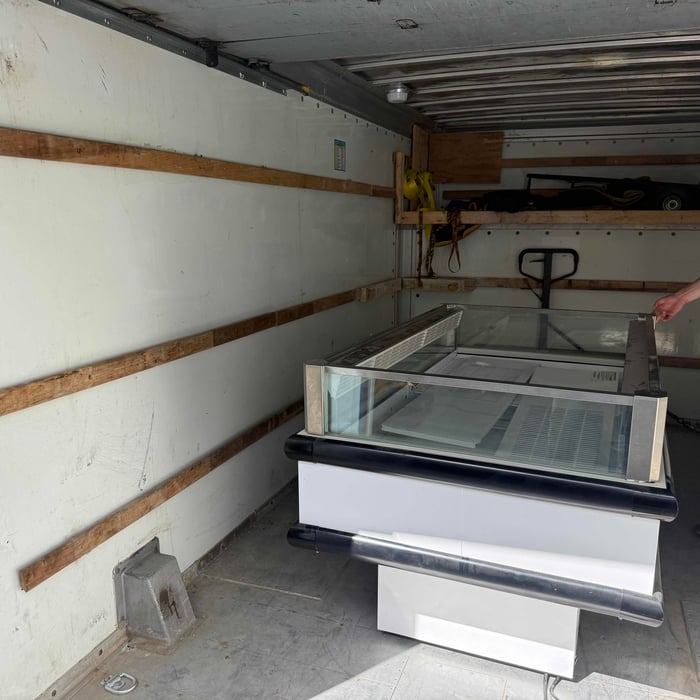
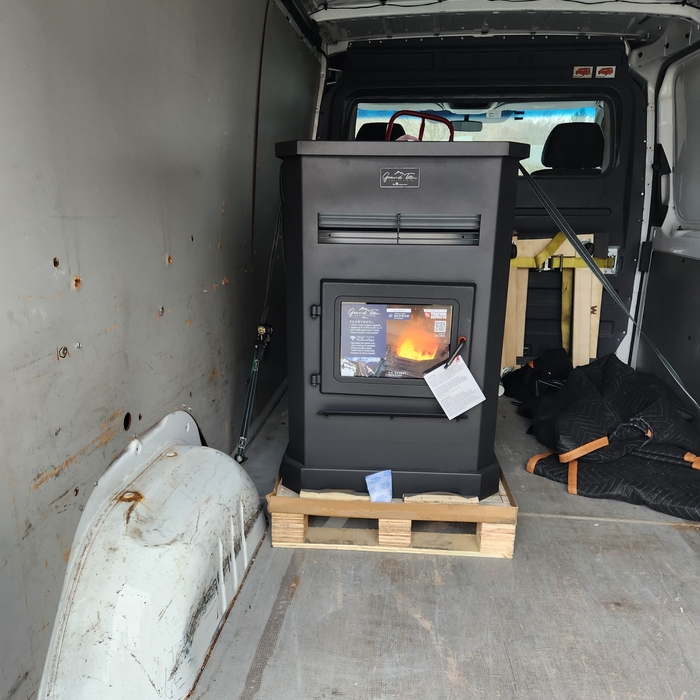
"Workers did a wonderful job, and very professional. They were very careful with the stove removal and very clean. Very happy with both the inside and outside wall repair. I would use your services again."
Additional Photos
Additional Photos
Additional Photos
Additional Photos
Additional Photos

+6

Response time2 days
Response rate100%
9 neighbors recently requested a quote
Avatar for John Kunkle
John Kunkle
5.0(
2
)
Hazardous Waste Removal

Serving Cornwall, VT and surrounding areas

Approved

My name is John. I offer a variety of landscaping and general handy man services. I pay close attention to detail. I’m easy to work with. Prices are competitive. Give me a shot and let me show you what I can do for your home!

49 neighbors recently requested a quote
Avatar for Moving APT - Long Distance Movers
Moving APT - Long Distance Movers
4.5(
282
)
Hazardous Waste Removal

Serving Cornwall, VT and surrounding areas

In business since 1999

Free estimates

Credit card accepted

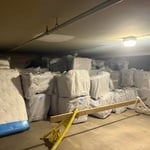
"I used Moving APT for our relocation to Tampa and they did a very good job both on pick up and drop off. They handled everything with care and absolutely nothing was broken or scratched. I would recommend them."
Additional Photos
Additional Photos
Additional Photos
Recommended by88%of homeowners

Showing 1-10 of 15
Biohazard Remediation questions, answered by experts

To kill white mold on wood, a mixture of white vinegar and water (a 1:1 ratio) or a water and hydrogen peroxide combo can be effective. Spray the affected area and let it sit for a few hours before scrubbing the mold off. Borax mixed with water is another option; it not only kills the mold but also prevents future growth. Ensure the wood is completely dry after cleaning, and consider applying a wood sealer or paint to prevent moisture absorption, which discourages mold growth. Regular inspections and maintaining proper ventilation can also help prevent mold recurrence on wood surfaces.

Mold and other fungi love moisture, so the best way to prevent mold growth after water damage is to remove as much moisture as possible. First, find the source of the water or moisture, such as a leak or clogged gutters, and correct the problem. Next, remove standing water, vacuum up puddles with a shop vacuum, and run blower fans and dehumidifiers for 24 to 72 hours. Once you've removed all traces of moisture, disinfect the area using either vinegar or bleach to kill any remaining mold spores.

Yes, a ceiling leak is considered an emergency. Even a small leak can indicate a larger problem that could lead to significant water damage, compromise your home's structural integrity, and become a major expense. Large leaks can cause your ceiling to sag or even collapse.

If water is actively dripping or running down walls, it is a clear emergency. You should call an emergency plumber immediately. While waiting for professional help, place buckets under the leak, use towels to absorb water, and move furniture out of the way to prevent damage.

Even if you only see a water stain that isn't actively dripping, it's still important to investigate and repair the source to prevent future damage, although the situation is less urgent than an active leak.

Yes, mold under silicone caulk can potentially cause health issues, which may be more noticeable in people with asthma, allergies, or other respiratory conditions. Mold releases spores into the air, and inhaling these spores can cause symptoms such as coughing, sneezing, eye irritation, and skin rashes. It's important to address mold issues promptly to protect your health.

If you find black residue in your toilet tank, chances are it’s caused by manganese deposits from hard water and not mold growth. You can prevent these deposits from damaging your toilet by installing a water softener in your home, which also might improve the quality of your drinking water. You can also remove the deposits inside your toilet tank once every six months or so to prevent them from causing problems with toilet functionality.

The Cornwall, VT homeowners’ guide to biohazard remediation services

From average costs to expert advice, get all the answers you need to get your job done.