

Top-rated animal fencing pros.

Best animal fencing pros near Penhook, VA

Enter your zip and get matched with up to 5 pros

Need a pro for your animal fencing service project in Penhook, VA?

Select your specific project to find the pro for you.

Top-Rated Animal fencing pros in Penhook - Updated Nov 2026

Animal Fencing FAQs, answered by experts

Voles are pretty prolific breeders, managing to squeeze in 5 to 10 litters a year, and each litter usually has around 3 to 5 little ones. These furry creatures are flexible with their love lives, as they can breed all year round, though spring and summer are their prime times. If they're living it up in warmer areas, voles don't take a break and keep reproducing non-stop.

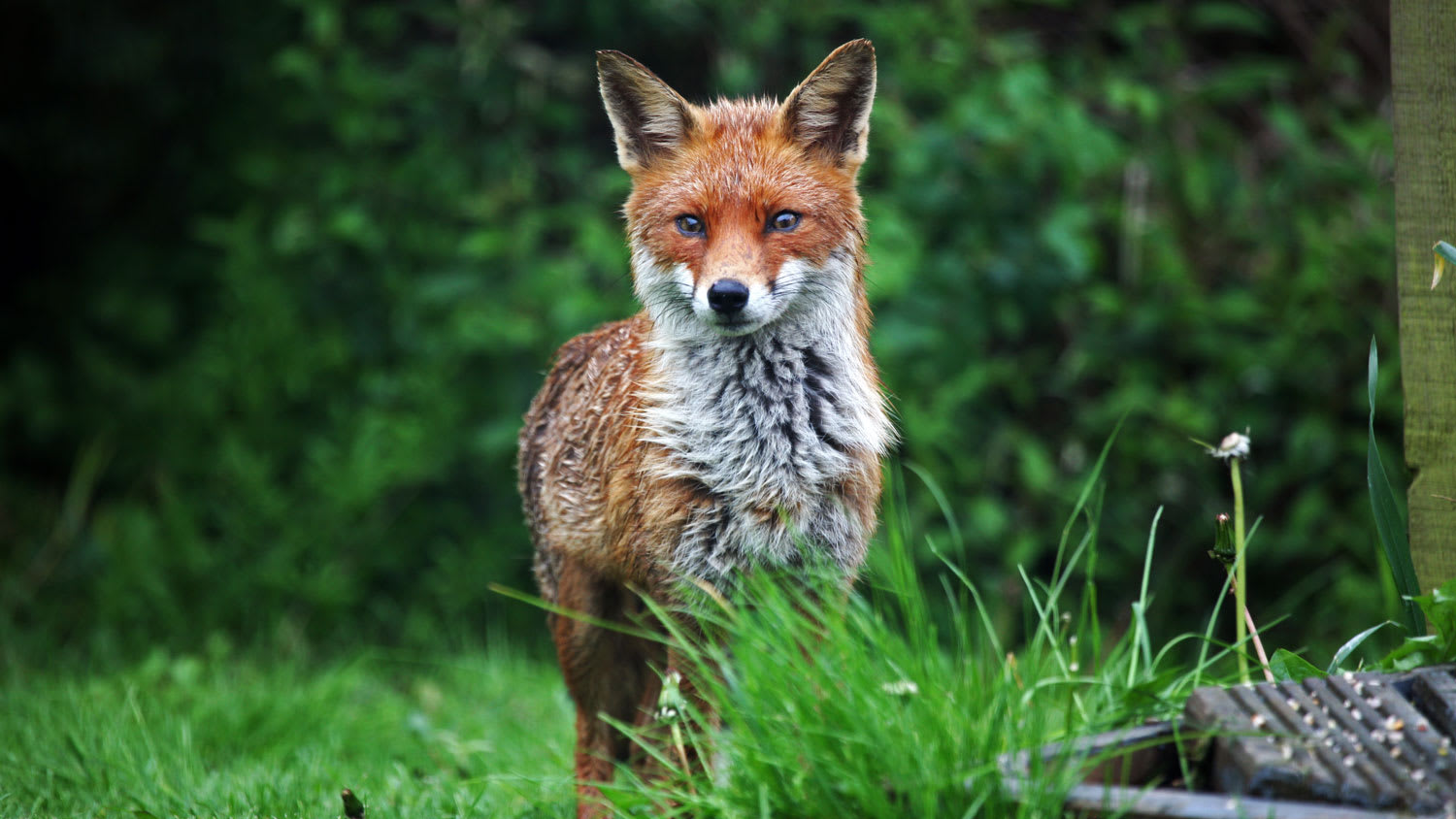
Foxes can catch rabies. However, it is rare, and even rarer for them to pass this disease on to humans. If you do see a fox in your vicinity acting strangely, disorientated, having seizures, or randomly trying to bite, contact your local animal control, police, or Department of Environmental Control. And if you are scratched or bitten by an animal you suspect has rabies, seek medical treatment immediately.

No, skunks are not considered aggressive and are typically very gentle, mild-mannered creatures. However, when they’re provoked, they do emit their potent spray as a defense mechanism. Skunks are also useful creatures to have near your property since they eat insects and will likely leave you and your pets alone unless they’re startled.

Identifying the specific animal running on your roof at night can be challenging without direct observation. Common nocturnal roof visitors include raccoons, squirrels, opossums, and rats. Raccoons are bigger and can create heavy thumping sounds. Squirrels are agile and may produce rapid scurrying noises. Opossums tend to move stealthily with less noise. Rats can make scratching or gnawing sounds. To determine the culprit, look for signs like footprints, droppings, or damaged areas near the roof. For accurate identification, consult a pest control professional or set up wildlife cameras near potential entry points.

Whether you, your dog, or your cat has been sprayed, Poison Control recommends using a solution of 1 quart of 3% (household strength) hydrogen peroxide, ¼ cup of baking soda, and 1 teaspoonful of liquid dish detergent mixed together and immediately applied to the sprayed fur or skin to get rid of skunk smell. After leaving it on for five minutes, rinse with water. If your eyes get sprayed, rinse for at least 15 minutes with room-temperature water.

The Penhook, VA homeowners’ guide to animal fencing services

From average costs to expert advice, get all the answers you need to get your job done.