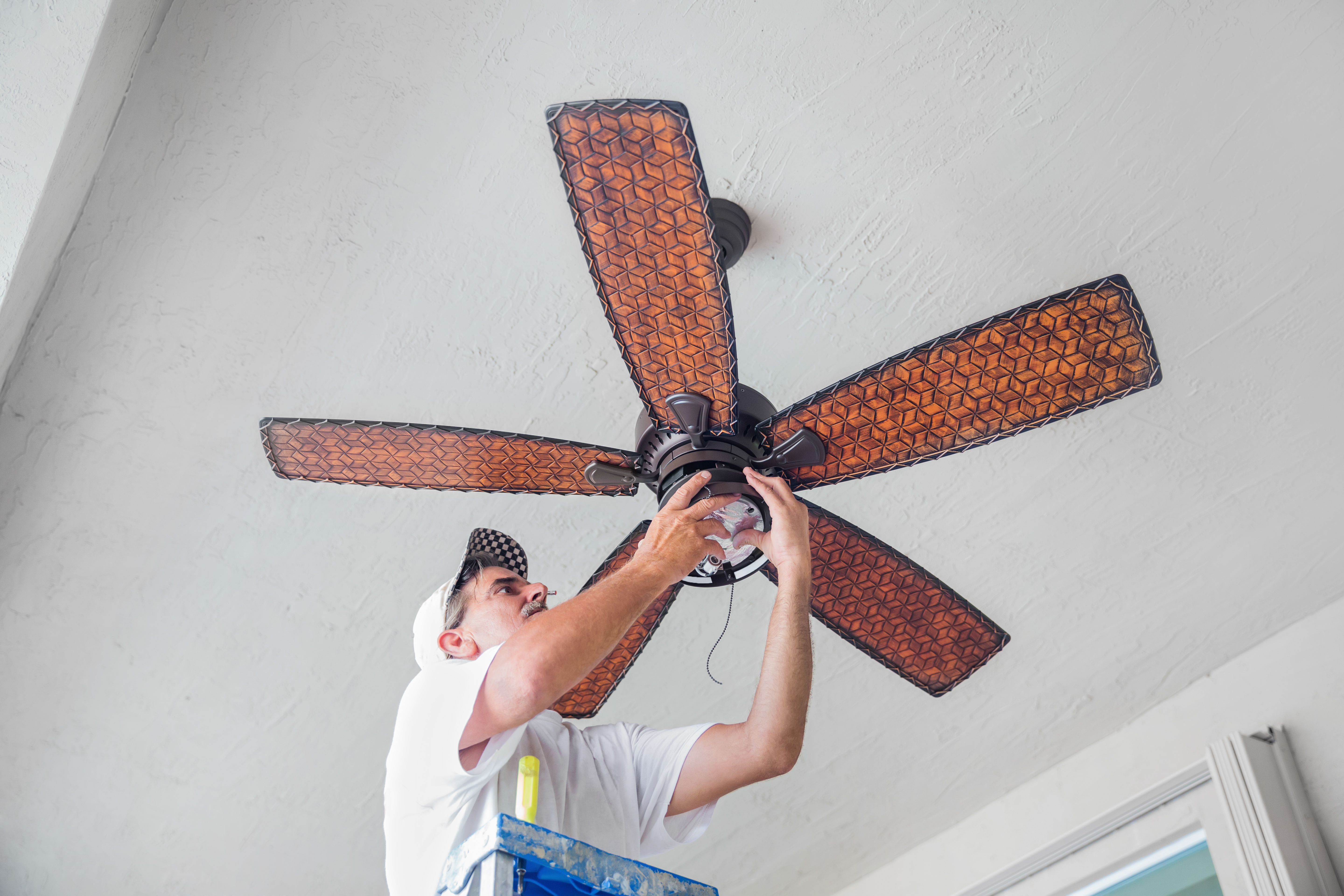











At Bulldog Electric, we take great pride in our experience, expertise, quality and customer service that we provide to meet the consumers needs. It is our mission to provide excellent workmanship and complete customer satisfaction from start to completion of a project. Call us today!
"Kenny Ferguson is very responsive to customer requests. He communicates well to the customer and to his men. Fernado and Mike were very careful in their work and aimed to please the customer. The lights and painted ceiling looked great. They were very pleasant and yet professional in their attitude and work. They cleaned up everything when they were done. I have another job waiting for Kenny and his team to install an attic fan. I have confidence that they will do good work as they have done in the past. "
"Cougar Development did an excellent job creating a living space out of an addition to a home built in 1918. The drywall work was excellent as was the placing of needed electrical outlets and ceiling fan/lighting. Closet space is extremely hard to come by in our neighborhood and Cougar was able to build a 30 sq ft closet that our growing family is able to take advantage of. This room was just a storage space and is now a usable living area after Cougar was done with it. The quality of work for the price I paid was amazing! I have already recommended Cougar to those in my neighborhood and will continue to do so!"
"The furnace took 4 days to get approved( not counting a Sunday) the others were quick but the water heater had to be ordered so without hot water for a week. One ceiling fan was easy but within a year their policy changed and They would not install the one I purchased and had to get a new one approved and then ordered online and took several weeks to get straightened out. Not sure who was at fault, AHS, installer or scheduling with renter. Fee is usually $75 per visit"
Since the cost of installing a ceiling fan is $250 for most homeowners, it might be beneficial to replace your existing fan if you are experiencing a significant repair issue, like a broken motor. However, for less expensive repairs, like a fan blade replacement, you’ll likely spend less on the repair than a complete fan replacement. Of course, if you’re looking for an upgrade or a new style fan, replacing it altogether is always an option.
To convert a ceiling fan to wireless, you’ll need to install a canopy module to access the lighting and fan controls. Many options are available, all of which help you control specific elements of your ceiling fan, so you have plenty of choices depending on your needs.
The more surface area that a ceiling fan blade has, the more effective it will be at producing airflow. Therefore, a longer ceiling fan blade is the better option if you’re looking for more wind. However, a longer blade will consume more energy than a shorter blade.
Many ceiling fan-rated electrical boxes tend to be made of metal. However, some electrical boxes may also be made of heavy-duty plastic that is reinforced with metal support structures. It may also have an attachment that connects directly to a ceiling joist. If you are ever ensure, consult with a licensed professional to get their insight on best practices and whether the installation is a safe one.
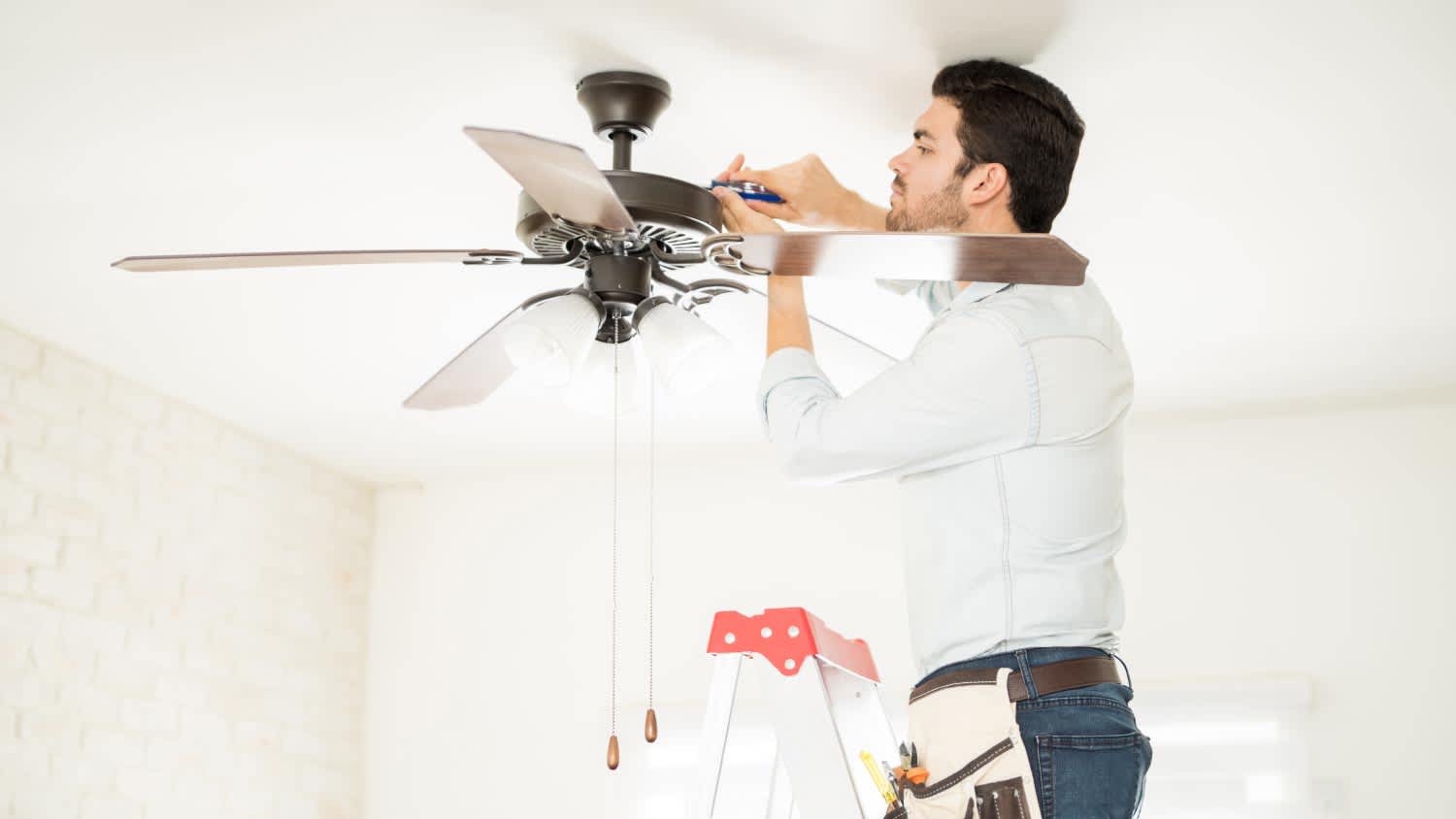
Though possible, installing a ceiling fan yourself requires electrical knowledge and confidence working with home wiring. Following the manufacturer's instructions carefully and observing safety precautions are crucial components of a DIY installation.
The Marion, VA homeowners’ guide to ceiling fan services
From average costs to expert advice, get all the answers you need to get your job done.
Discover the cost to install a ceiling fan, including labor, materials, and tips to save. Learn what impacts your price and how to budget for your project.
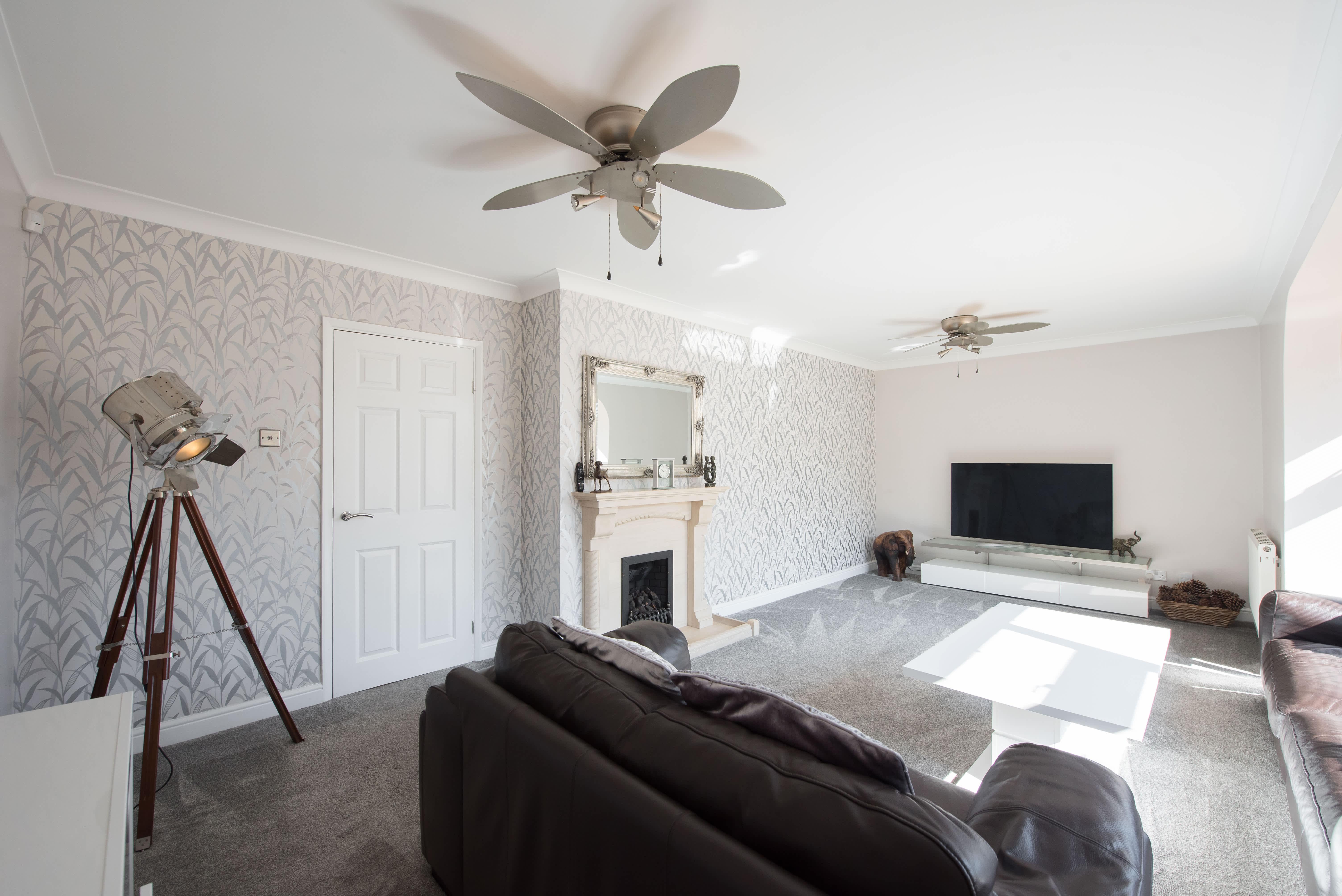
Ceiling fans cool down your home while stylishly accenting your space. With a variety of types of ceiling fan on the market to choose from, you can’t go wrong.
Although the risk is low, there are a few telltale signs that a ceiling fan will fall off your ceiling. This guide explains when to worry (and when not to).