At Bulldog Electric, we take great pride in our experience, expertise, quality and customer service that we provide to meet the consumers needs. It is our mission to provide excellent workmanship and complete customer satisfaction from start to completion of a project. Call us today!
"Kenny Ferguson is very responsive to customer requests. He communicates well to the customer and to his men. Fernado and Mike were very careful in their work and aimed to please the customer. The lights and painted ceiling looked great. They were very pleasant and yet professional in their attitude and work. They cleaned up everything when they were done. I have another job waiting for Kenny and his team to install an attic fan. I have confidence that they will do good work as they have done in the past. "
"Cougar Development did an excellent job creating a living space out of an addition to a home built in 1918. The drywall work was excellent as was the placing of needed electrical outlets and ceiling fan/lighting. Closet space is extremely hard to come by in our neighborhood and Cougar was able to build a 30 sq ft closet that our growing family is able to take advantage of. This room was just a storage space and is now a usable living area after Cougar was done with it. The quality of work for the price I paid was amazing! I have already recommended Cougar to those in my neighborhood and will continue to do so!"
"I love American Shield. I love American Shield. I love them. We have 2 homes; this home is 30 years old, our home in California is twenty years old and we have used them in both places. A, number 1, plus, plus!"
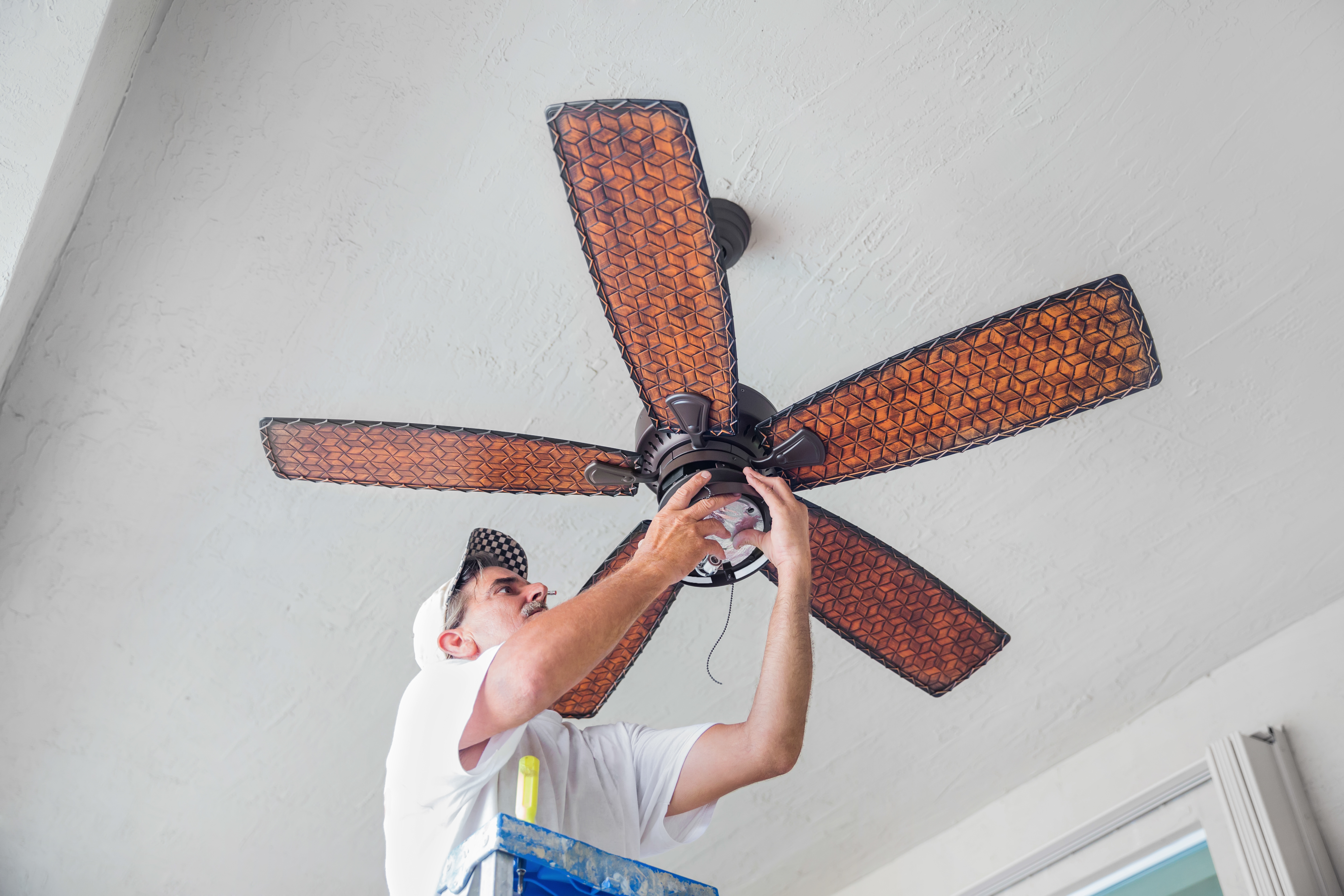
A typical fan installation takes between two and six hours. The exact timeframe can be influenced by factors such as the home's structure, existing electrical characteristics, ease of attic access, and whether complex wiring or additional attic ventilation work is required.
If you’re removing a ceiling fan without visible screws, start by locating the fan canopy—a round cover placed above the fan blades and motor. There should be a thin ring that can be turned counterclockwise to remove the canopy and reveal the screws. After unscrewing the fan, you can disconnect the wires and remove the entire fan from the mounting hardware. For safety, make sure the fan switch is turned off before you remove the canopy. It may be easier to remove the fan blades first, too.
Whether you can install a ceiling fan yourself depends on if you're replacing an existing fixture or installing one where no wiring exists. If you are replacing an existing fan, an experienced DIYer may be able to do the job, which can save on labor costs. This work typically doesn’t require a permit, but there’s always a safety risk when dealing with electrical components, so hiring a pro is still a good idea, especially if you aren't handy. Keep in mind you may need a special ladder for high or vaulted ceilings. However, if you are installing a new ceiling fan where there is no current fixture, you must hire a licensed electrician. In most areas, it is required by law that a professional runs new wiring and pulls the necessary permits. Attempting to install wiring yourself can be dangerous and a code violation.
Though possible, installing a ceiling fan yourself requires electrical knowledge and confidence working with home wiring. Following the manufacturer's instructions carefully and observing safety precautions are crucial components of a DIY installation.
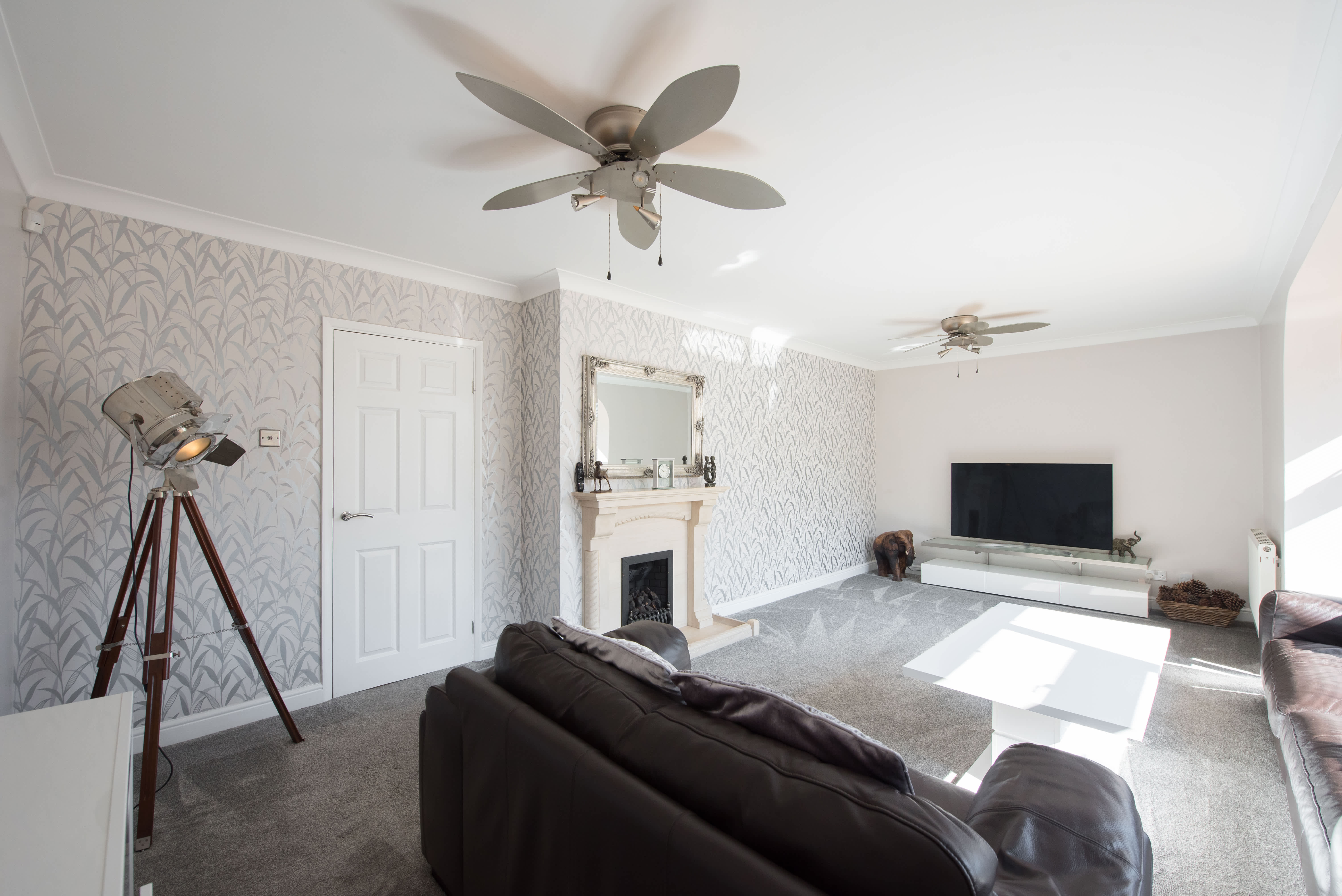
For a 12x12 room, a fan between 36" and 50" will work, as it falls in the range for spaces up to 144 square feet. These size fans provide adequate air circulation and ensure a comfortable environment without being overpowering. Even better, they come in a broad range of styles, offering aesthetics and functionality, making them suitable choices for maintaining an ideal room temperature and enhancing overall comfort.
The Atkins, VA homeowners’ guide to ceiling fan services
From average costs to expert advice, get all the answers you need to get your job done.
Discover the cost to install a ceiling fan, including labor, materials, and tips to save. Learn what impacts your price and how to budget for your project.
Ceiling fans cool down your home while stylishly accenting your space. With a variety of types of ceiling fan on the market to choose from, you can’t go wrong.
Although the risk is low, there are a few telltale signs that a ceiling fan will fall off your ceiling. This guide explains when to worry (and when not to).