
Top-rated bird control service pros.

Get matched with top bird control service pros in Lynch Station, VA

Enter your zip and get matched with up to 5 pros

Need a pro for your bird control service project in Lynch Station, VA?

Select your specific project to find the pro for you.

TRUSTED BY LYNCH STATION, VA HOMEOWNERS

  • Average homeowner rating star icon4.7
    Average homeowner rating
  • Verified reviews icon23
    Verified bird control services reviews

Find Bird control service pros in Lynch Station

Bird Control questions, answered by experts

Pest control timelines depend on what services are being provided, size and type of infestation, and size of your home. Some inspections can take an hour or more, while preventative treatments only take 30 minutes to complete. Basic spaying for a problem like roaches or termites can take about an hour for small homes, but much longer for large properties and infestations. Consult your pest control pro for a time estimate based on your situation.

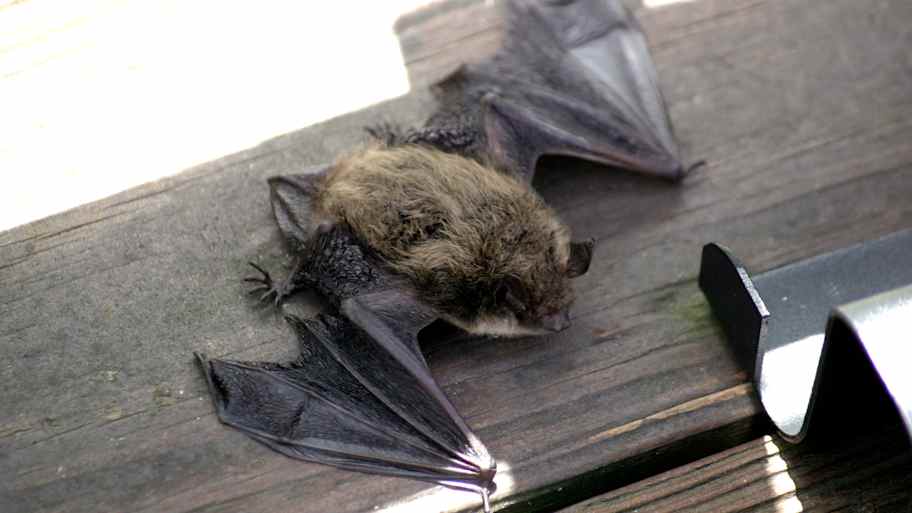
No, mothballs do not keep bats away. Not only are mothballs completely ineffective when repelling or removing bats, but using them could be illegal, depending on where you live. Remember, bats are federally protected, and it's illegal to use chemicals during the removal process, and mothballs tend to fall into this category.

Yes, in some cases if your damper is left open, animals can come down your chimney. In these instances, it’s more likely that they have fallen in while looking for a safe spot rather than entered your house intentionally. Leaving your damper closed or installing a chimney cap can prevent animals from coming inside.

Hawk attacks on pets are rare, and they won’t target animals that outweigh them. Hawks typically weigh between one and three pounds. That means you don’t need to worry if you have a Labrador Retriever or French Bulldog. However, small cats and toy breed dogs, like Chihuahuas, are at risk. Pet attacks are more likely in winter when food is scarce or in the early summer when inexperienced young hawks are honing their hunting skills.

When woodpeckers start banging on your walls or roof, they are probably looking for insects to eat, storing nuts for winter, drilling a hole to make a nest, or communicating with other birds to establish territory or find a mate.

The size of the hole can help determine the reason for the pecking. Small irregular holes are a result of insect hunts. Acorn holes are more consistently sized and often fitted with a nut in the middle. Nest holes are large and have rounded edges. If the bird is pecking to mark its territory or attract a mate, it may leave dents rather than holes, and the noise will stop when the mating season starts in spring.

The Lynch Station, VA homeowners’ guide to bird control services

From average costs to expert advice, get all the answers you need to get your job done.