

Top-rated window tinters.

Get matched with top window tinters in Leesburg, VA

Enter your zip and get matched with up to 5 pros

Need a pro for your window tinting project in Leesburg, VA?

Select your specific project to find the pro for you.

TRUSTED BY LEESBURG, VA HOMEOWNERS

  • Average homeowner rating star icon4.9
    Average homeowner rating
  • Verified reviews icon33
    Verified window tinting services reviews

Find Window tinters in Leesburg

Avatar for A&C Glass Tinting LLC
A&C Glass Tinting LLC
4.7(
19
)
Window Tinting - Apply or Replace

Serving Leesburg, VA and surrounding areas

Approved

In business since 1988

Free estimates

Credit card accepted

"Colin did a great job explaining the available tint material options and warranties. He was helpful in giving us good options that fit within our budget. It is a lot of money for basically a thin piece of plastic, but A&C prices were very competitive compared to the other three companies that gave us estimates."
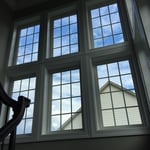
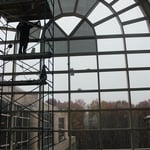
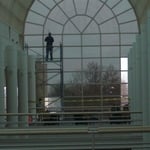
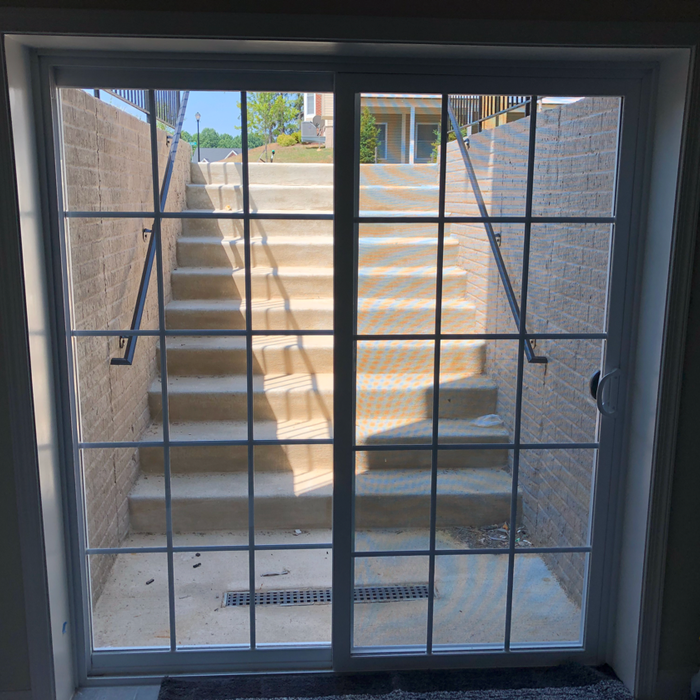
Warrenton VA Stairwell
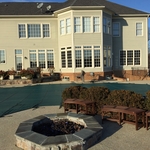
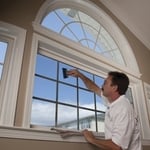
Leesburg VA home
Leesburg VA home
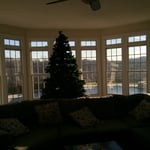
Leesburg Home
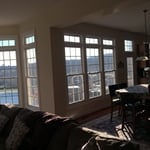
Ashburn VA home

+11

Response time10 hrs
Response rate95%
5 neighbors recently requested a quote
Avatar for CommonWealth Window Tinting
CommonWealth Window Tinting
5.0(
5
)
Window Tinting - Apply or Replace

Serving Leesburg, VA and surrounding areas

Approved

In business since 2024

Free estimates

Emergency services offered

Commonwealth Window Tinting is Chesapeake Virginia's most trusted provider of expert window tinting for automotive vehicles (also specializing in all Models for Tesla Window Tinting), residential homes, and commercial business properties. Specializing in top-quality window film, we offer advanced installation techniques and elite customer service. Enhance your property's privacy, energy efficiency, and UV protection with our premium window tinting solutions.

CommonWealth Window
Avatar for Arctic Window Tinting
Arctic Window Tinting
4.9(
214
)
Window Tinting - Apply or ReplaceWindow Tinting - Apply or Replace - For Business

Serving Leesburg, VA and surrounding areas

In business since 1987

Free estimates

Credit card accepted

"I can't say enough good things about Bob and his team. He was the only tinting company I actually got a call back from the first day, and worked hard to provide incredible services within my tight window (no pun intended!). Bob was knowledgeable, friendly, and flexible, and the installer Mike was very talented and punctual. Bob warned of a potential for small cracks between the window and the tint but you would have thought the tint was a part of the actual window. I would hire them 100x over and cannot recommend them enough."
Additional Photos
Additional Photos
Recommended by97%of homeowners
Showing 1-10 of 19
Window Tinting questions, answered by experts

Home window tinting is generally considered a worthwhile investment due to its numerous benefits. The primary advantages include:

  • Energy Efficiency: Tinting reduces solar heat gain, which lowers cooling costs in warmer months. It can also help retain heat during cooler months, leading to savings on your electric bill that may eventually exceed the initial cost of the tinting.

  • UV Protection: It blocks harmful UV rays, protecting your family and pets from sun damage. This also prevents fading and extends the life of your furniture, flooring, and other interior furnishings.

  • Increased Comfort: By regulating heat, window tinting helps maintain a more comfortable and even temperature throughout your home. It also reduces glare on TVs and other electronic screens.

  • Enhanced Privacy and Security: Tinting makes it more difficult for outsiders to see into your home. Additionally, certain types of window films can increase security by helping the glass withstand trauma from break-in attempts or severe weather.

It's important to note that not all window tints offer the same combination of benefits. For example, security films are designed for impact resistance but may offer less UV protection, while ceramic tints excel at blocking heat and UV rays but do not provide the same level of security.

Applying window security film yourself is possible, but we don’t recommend it. This task is simple in theory, but getting the product to sit on your windows evenly and without bubbles underneath is challenging for DIYers who lack the necessary experience and tools. You might save money on labor by applying it yourself, but you might also end up with a film that doesn’t look appealing, prompting you to start over and spend the money on a professional installation anyway. Plus, most window film manufacturers will void your warranty if you install the product yourself.

Some frosted glass sprays can handle the outdoors, but most of them aren't built for it. Sprays made for exterior use will say so clearly on the label. Anything marked “interior use only” can't hold up against rain, UV exposure, or changing temperatures without peeling, fading, or yellowing. Outdoor-rated sprays are typically more durable, but even then, proper prep and application matter. Before spraying anything outside, double-check the product instructions. If it doesn’t specifically mention exterior use, skip it. 

The most popular tint percentage for home windows is 35%. Generally, most homeowners choose a visible light transmission (VLT) between 50% and 35%, where lower numbers mean less sunlight enters the home. A 35% tint blocks over half the incoming light while still allowing plenty of natural light, which can improve energy efficiency and comfort. If privacy is a primary concern, you can opt for a tint of 50% or lower to make it more difficult for people to see inside. However, keep in mind that very dark, thick tints may offer fewer energy-efficiency benefits.
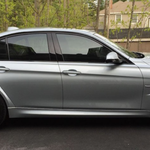
Unlike cars, there are no laws regulating window tint percentages on homes, so you can choose what you think is best. It is often a good idea to hire a professional, as they can show you samples of how different tint levels will look in your specific property, helping you make the right choice.

Replacing a window frame will improve your home’s energy efficiency if the old frame is cracked or damaged in a way that allows unconditioned air from the outside into your living space or if you upgrade to a more energy-efficient window frame material. Aluminum is the least energy-efficient window frame material, followed by vinyl and wood. Fiberglass and composite frames are the most energy-efficient.

The Leesburg, VA homeowners’ guide to window tinting services

From average costs to expert advice, get all the answers you need to get your job done.