

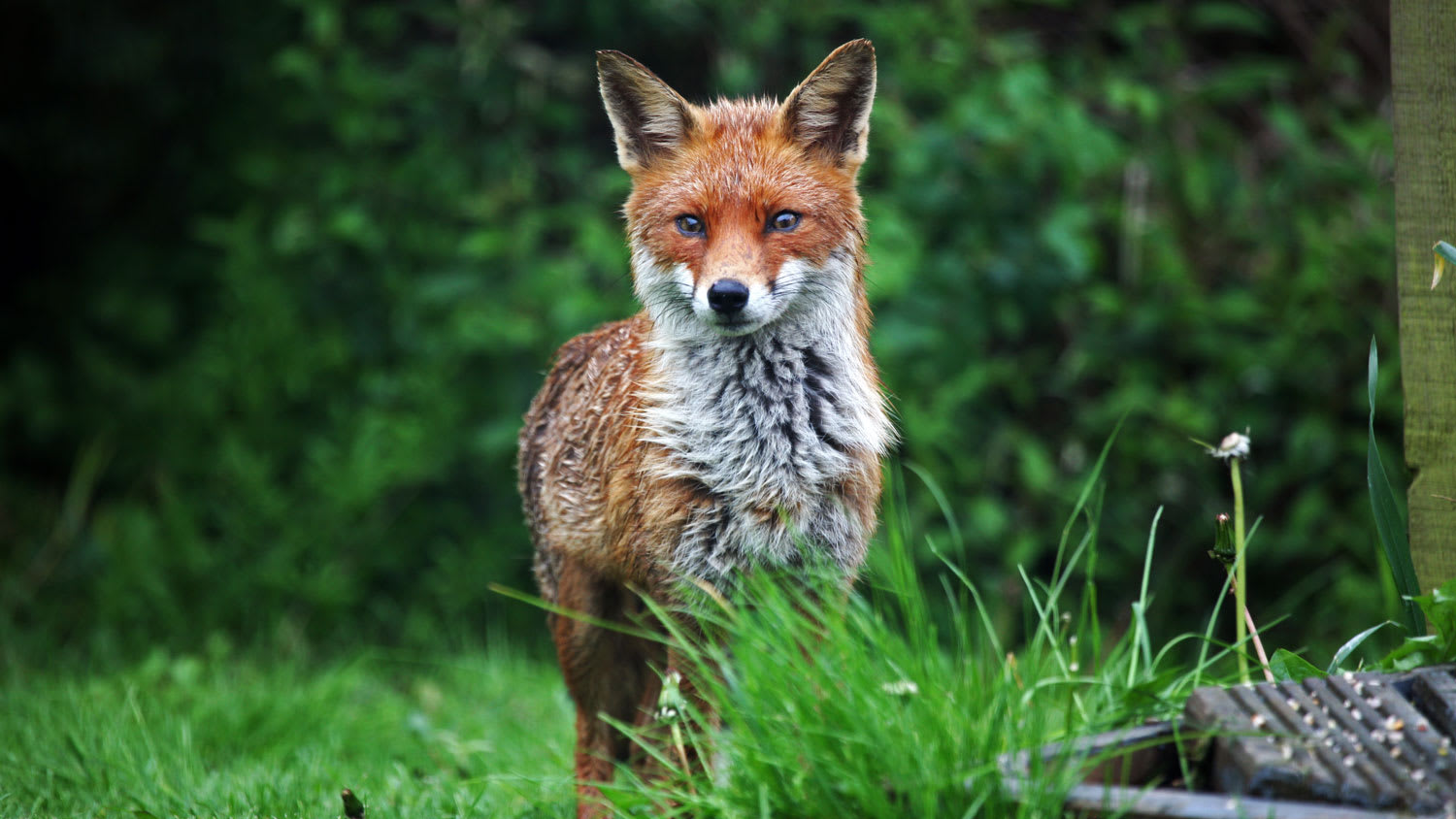
When calculating fox removal costs, factor in whether you take a DIY approach or call in the pros, the number of animals involved, and the location.

*The Angi rating for Animal Fencing Service companies in Independence, VA is a rating based on verified reviews from our community of homeowners who have used these pros to meet their Animal Fencing Service needs.
*The HomeAdvisor rating for Animal Fencing Service companies in Independence, VA is a rating based on verified reviews from our community of homeowners who have used these pros to meet their Animal Fencing Service needs.
Last update on August 04, 2026
From average costs to expert advice, get all the answers you need to get your job done.
When calculating fox removal costs, factor in whether you take a DIY approach or call in the pros, the number of animals involved, and the location.
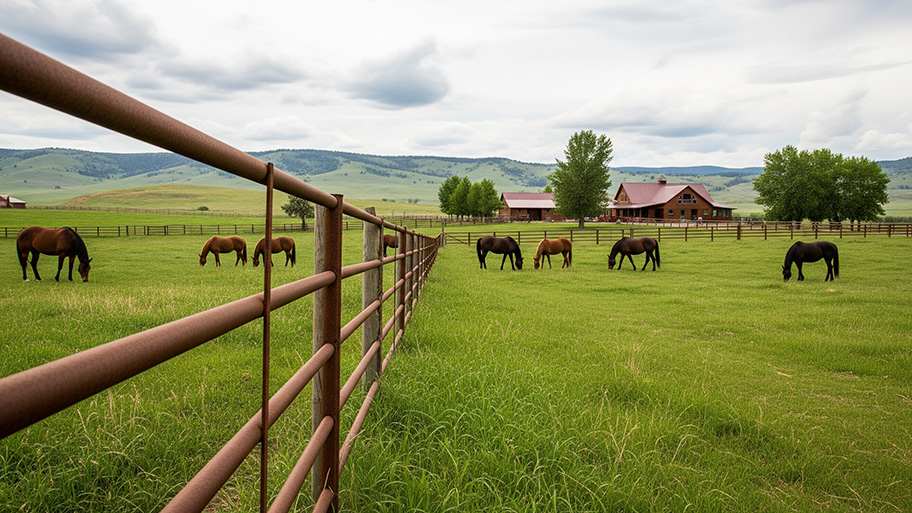
Pipe fencing is an extremely strong, durable option for containing horses and other livestock. This guide breaks down the factors that affect pipe fence cost.
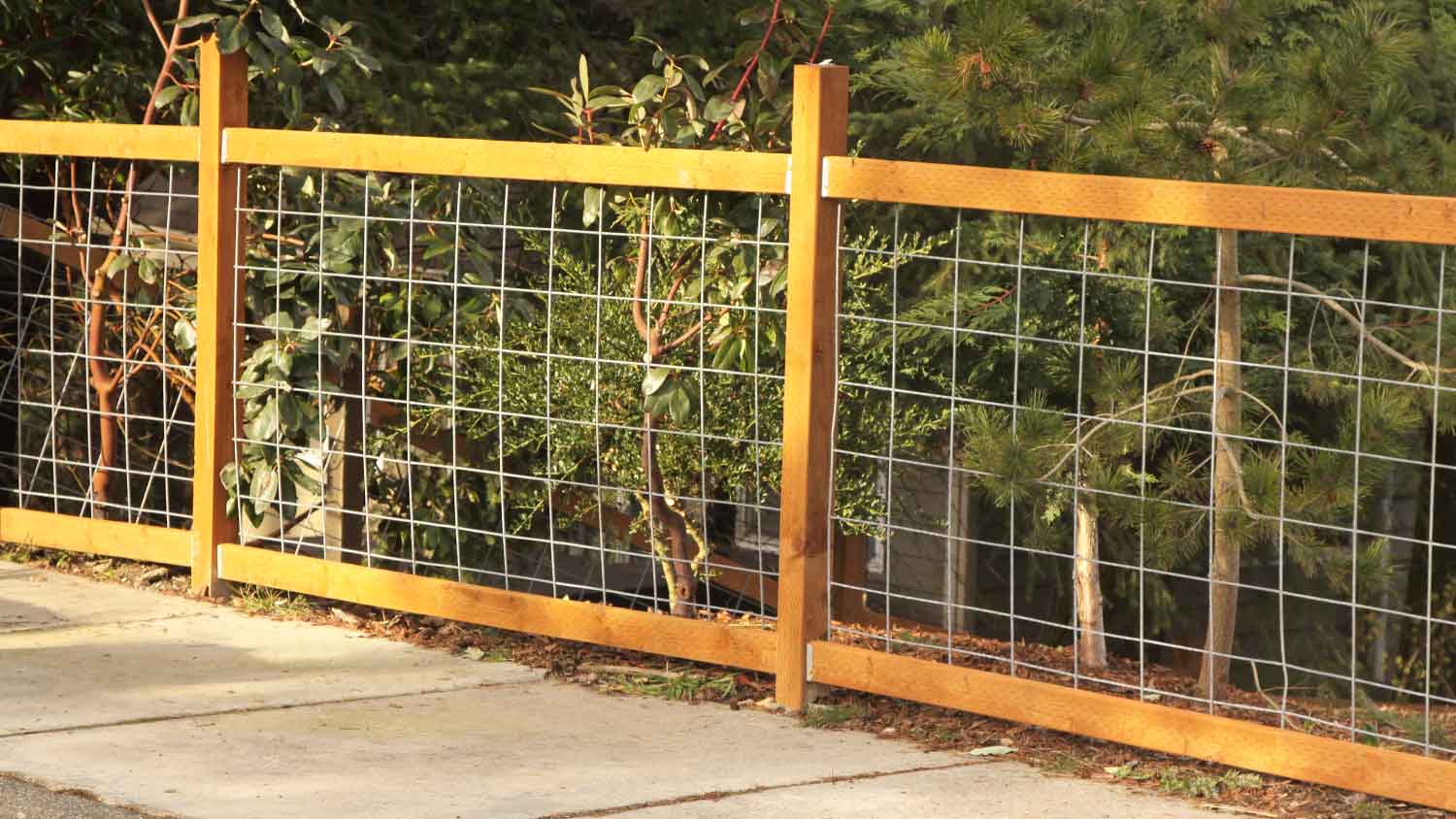
This guide breaks down hog wire fence cost factors to help you budget for a rustic, trendy fence style at an affordable price.
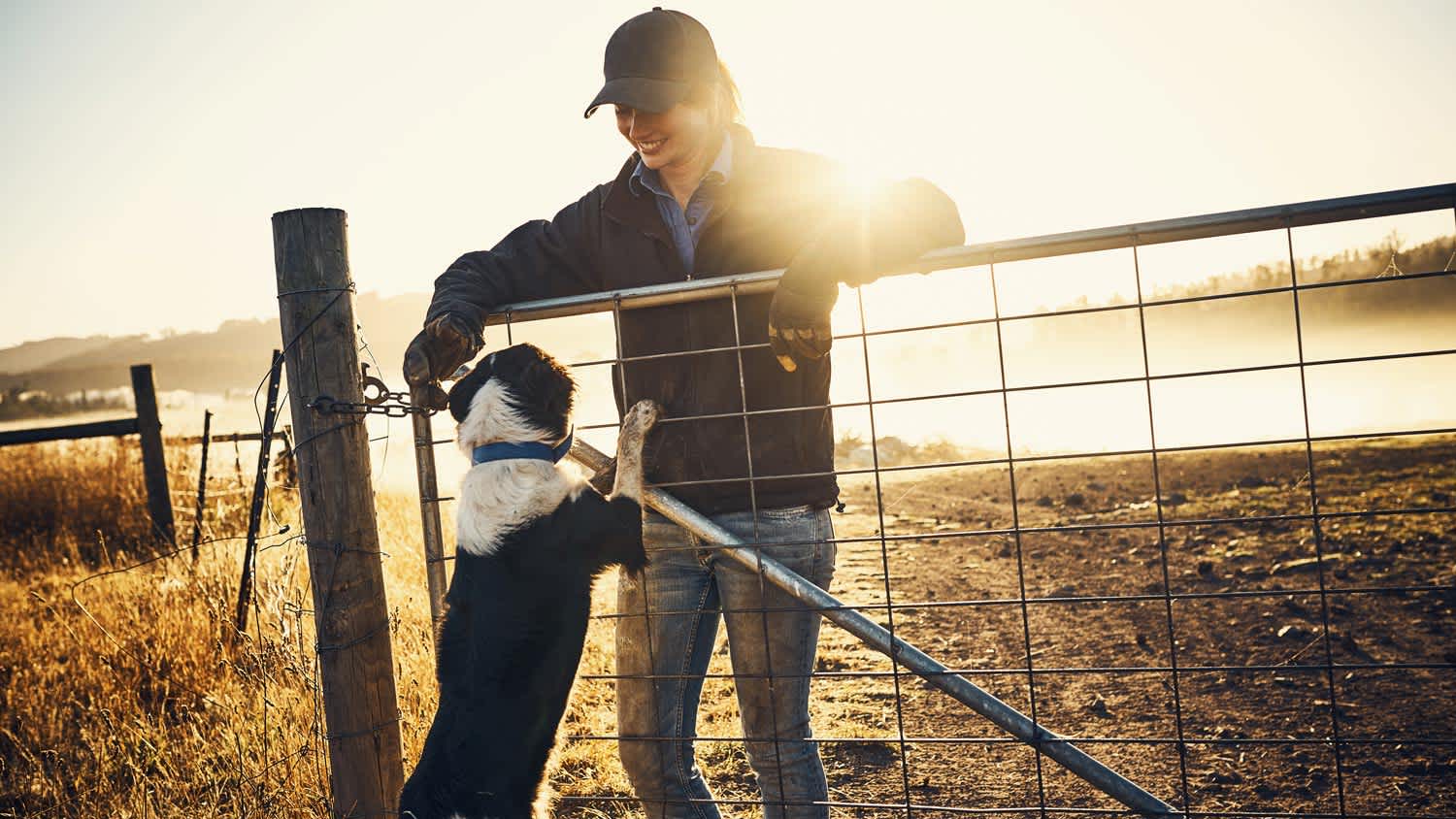
There are a lot of different types of farm fencing. Find the one that’s right for your property with our handy guide.
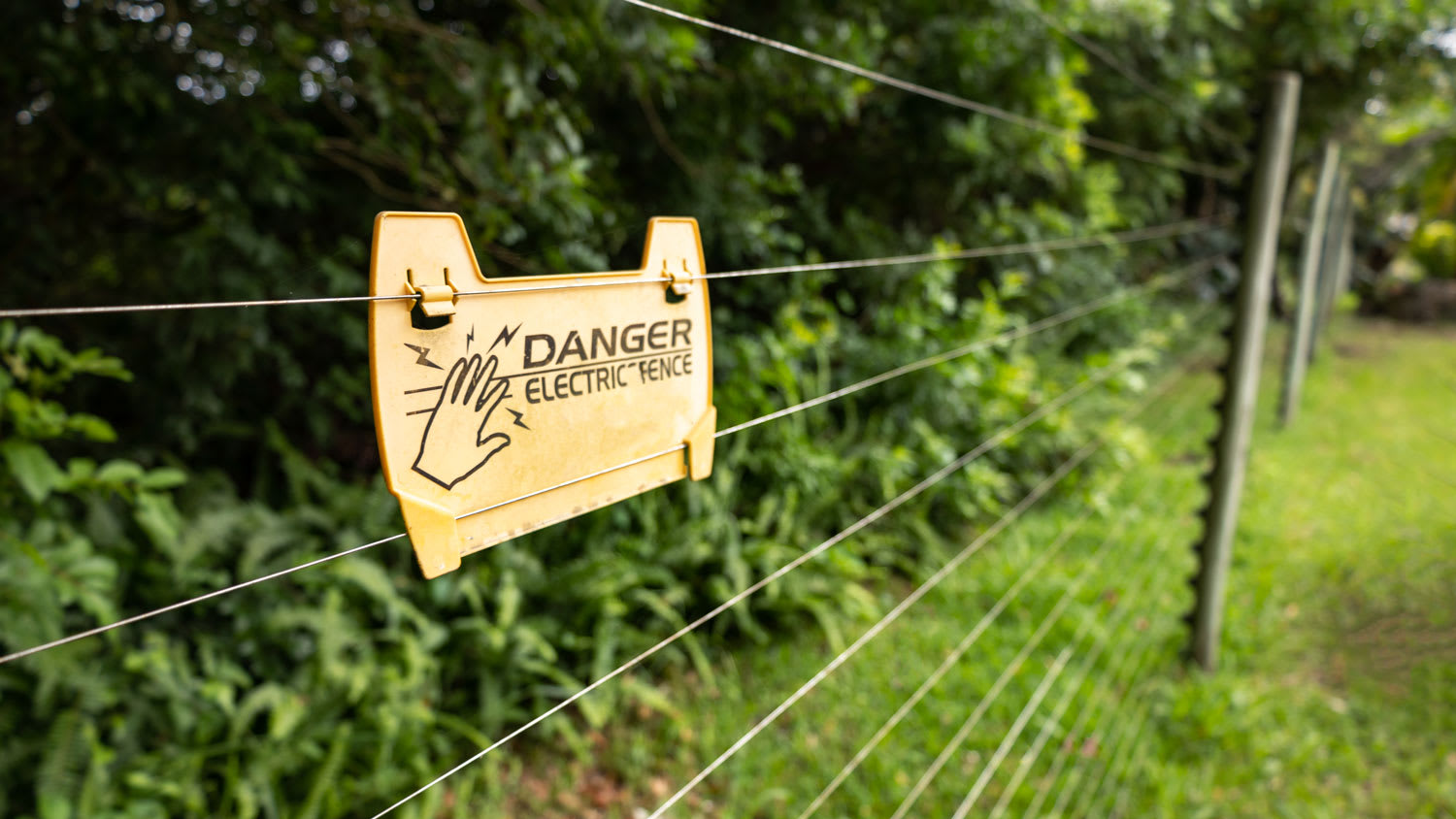
Learn how to read an electric fence wiring diagram—knowing the parts of an electric fence can give you a better understanding of how it works.
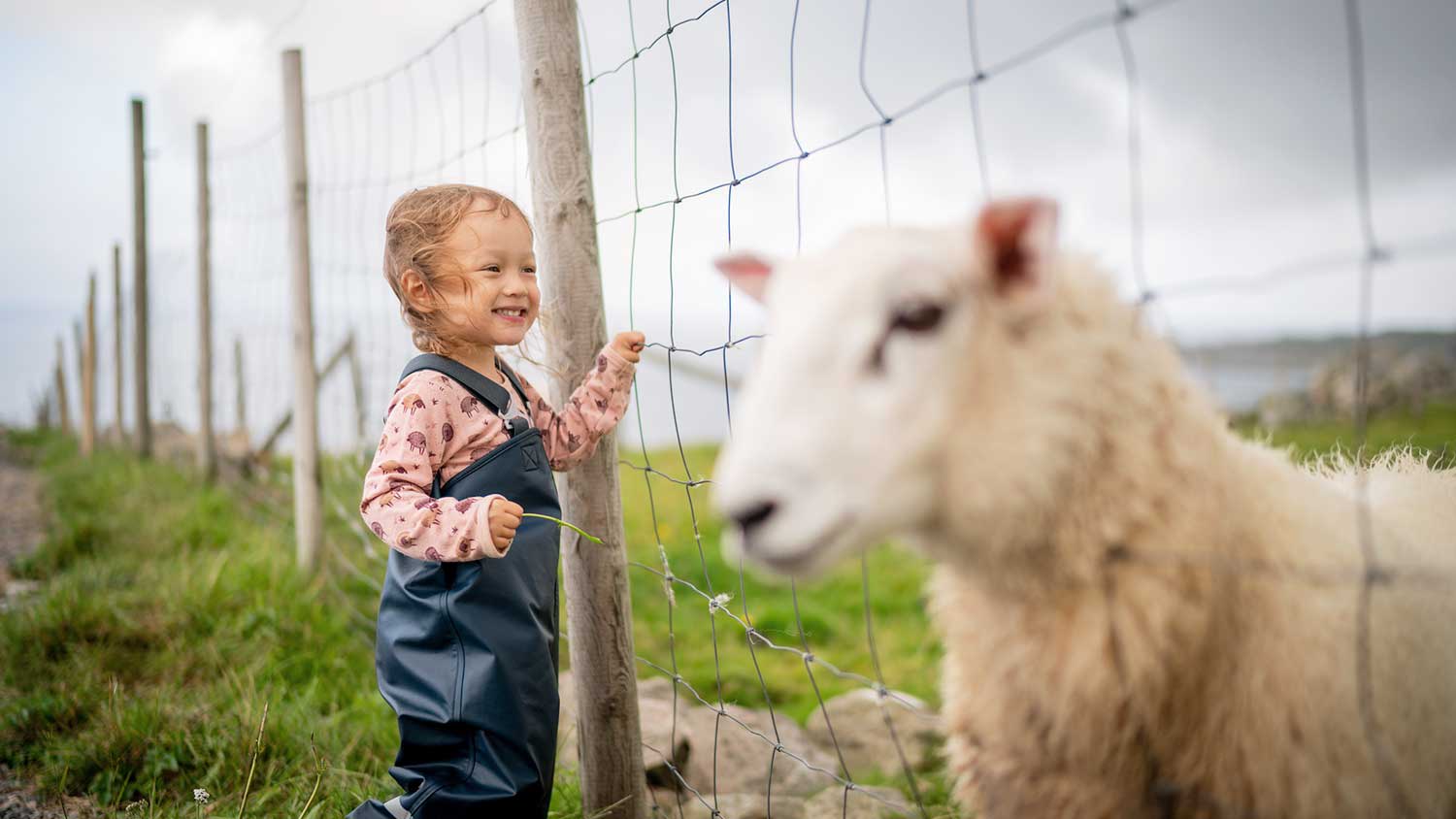
If you’re considering adding a wire fence to your property, you have choices. Keep reading for a breakdown of 10 types of wire fences.