



Top-rated energy efficiency auditors.

Best energy efficiency auditors near Faber, VA

Enter your zip and get matched with up to 5 pros

Need a pro for your energy efficiency auditing project in Faber, VA?

Select your specific project to find the pro for you.

Top-Rated Energy efficiency auditors in Faber - Updated Nov 2026

Avatar for Earth Right Mid-Atlantic
Earth Right Mid-Atlantic
3.8(
19
)
Home Energy Audit

Serving Faber, VA and surrounding areas

Approved

In business since 2012

Free estimates

Credit card accepted

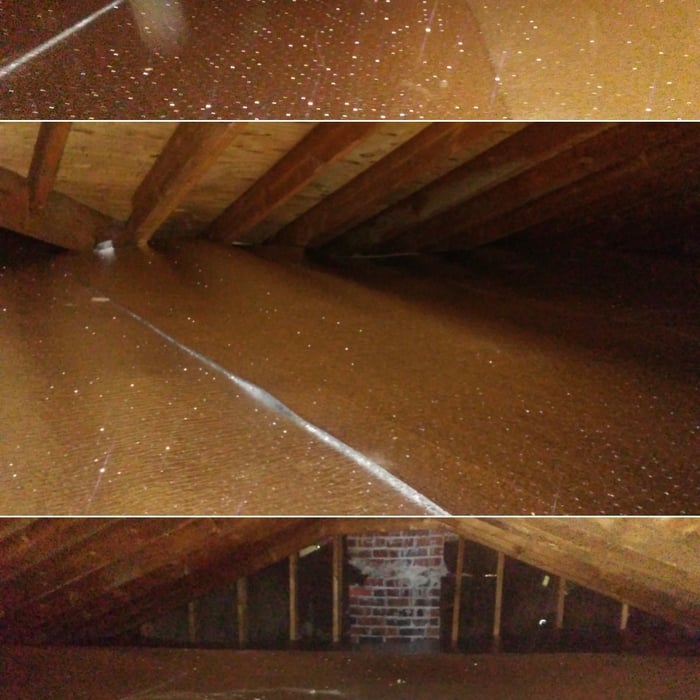
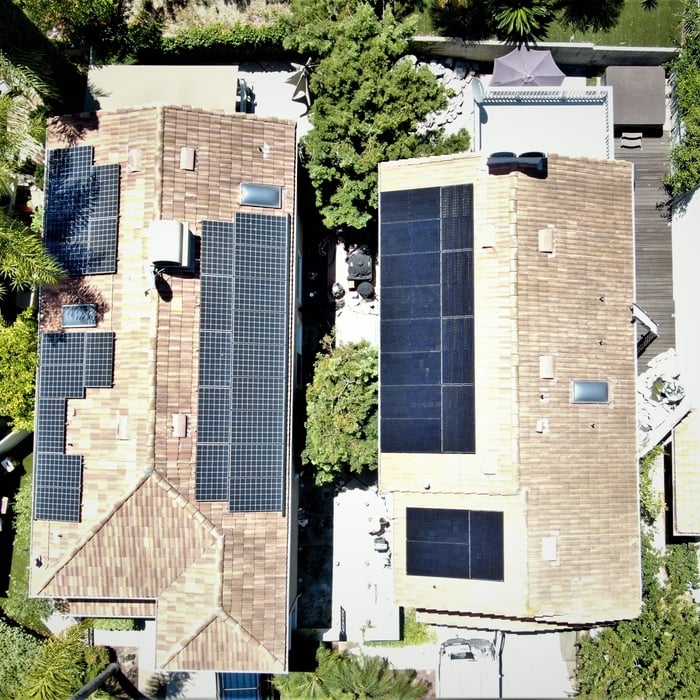
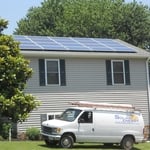
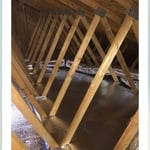
"Earth-Right Mid-Atlantic ha s done two installations. The first was to install a Solar System on our home in July 2019 and the second was to insulator attics with Earth-Shield. The Solar Panel has reduced my monthly bill to $8.33 per month for the last year. The bill is for the Chesapeake Utility Tax. The system works flawlessly. The Earth-Shield was suggested by Earth Right Mid-Atlantic's salesman Corey Argentino. I has explained that we were experiencing imbalances in heating and cooling zones in the house. He suggested a product Called Earth-Shield and the too hot and too cold zones all disappeared. The house now has better and a more uniform heating and cooling result. The Heating Ventilating and AirConditioning systems do not run as frequently. Great Job."
Energy Efficiency Completed Projects

+35

Response time1 day
Response rate85%
86 neighbors recently requested a quote
Energy Efficiency Auditing FAQs, answered by experts

The difference between an energy auditor and a home inspector is primarily in the purpose of the inspection. The energy auditor conducts tests in your home to determine the energy efficiency levels in areas like windows, insulation, and doorways. The auditor then makes recommendations for ways to improve a home’s energy efficiency. 

A home inspector examines various structures of your home to determine that everything is up to code and gauge the condition of features like the roof, foundation, HVAC, and electrical. The home inspector reports on the overall home and makes repair recommendations.

Window AC units use a fair amount of electricity, but significantly less than central AC systems. Because they are more energy-efficient for cooling individual rooms or small spaces, their usage is comparatively low. On average, a window AC unit consumes between 500 and 1,400 watts, while a central AC system uses over 3,500 watts—meaning a window unit uses about one-third of the energy. This typically translates to a monthly running cost of $15 to $40, although this can vary depending on external factors.

R-value is calculated by dividing the thickness of an insulation material by its thermal conductivity. The material's composition and density influence thermal conductivity. Materials with lower conductivity values provide better insulation. The higher the R-value, the better the material is at insulating, helping homeowners select insulation that meets the energy needs of their climate and home layout.

The number one culprit of high energy bills is older appliances, especially fridges and freezers that are left on all the time. These two appliances tend to last a long time, which is good, but it also means that newer models are usually significantly more energy-efficient due to upgraded technology. The second most common reason for a high bill is heating and air conditioning.

Keep the unit full but not overloaded, ensure door seals are tight, set correct temperatures, and avoid frequent door openings. Position the appliance away from heat sources for optimal performance.

The Faber, VA homeowners’ guide to energy efficiency auditing services

From average costs to expert advice, get all the answers you need to get your job done.