





Top-rated window tinters.

Get matched with top window tinters in Covington, VA

Enter your zip and get matched with up to 5 pros

Need a pro for your window tinting project in Covington, VA?

Select your specific project to find the pro for you.
Window Tinting questions, answered by experts

No, it isn’t necessary to have energy-efficient windows. However, if you care about your energy bill and making your windows more energy efficient, fixing any heat, UV, or air transfer issues is an excellent way to lower your bills and keep your house cooler in the summer and warmer in the winter.

One drawback is that window film can reduce the amount of natural light entering a room, particularly if you opt for a darker or more opaque film. Additionally, if not installed properly, window film may develop air bubbles or wrinkles, affecting its appearance. Over time, certain types of window film may also experience discoloration or peeling. Moreover, certain window films can interfere with wireless signals, such as Wi-Fi or cellular reception. Careful consideration of these potential drawbacks is essential when deciding whether window film is the right choice for your home.

The most energy-efficient windows are double—or triple-pane windows with low-emissivity (Low-E) coatings and gas fills between the panes. These windows reduce heat transfer, prevent drafts, and help maintain a consistent indoor temperature. But if replacing windows isn’t in your budget, pairing your existing windows with insulating window treatments can still make a noticeable difference in home comfort and monthly bills. 

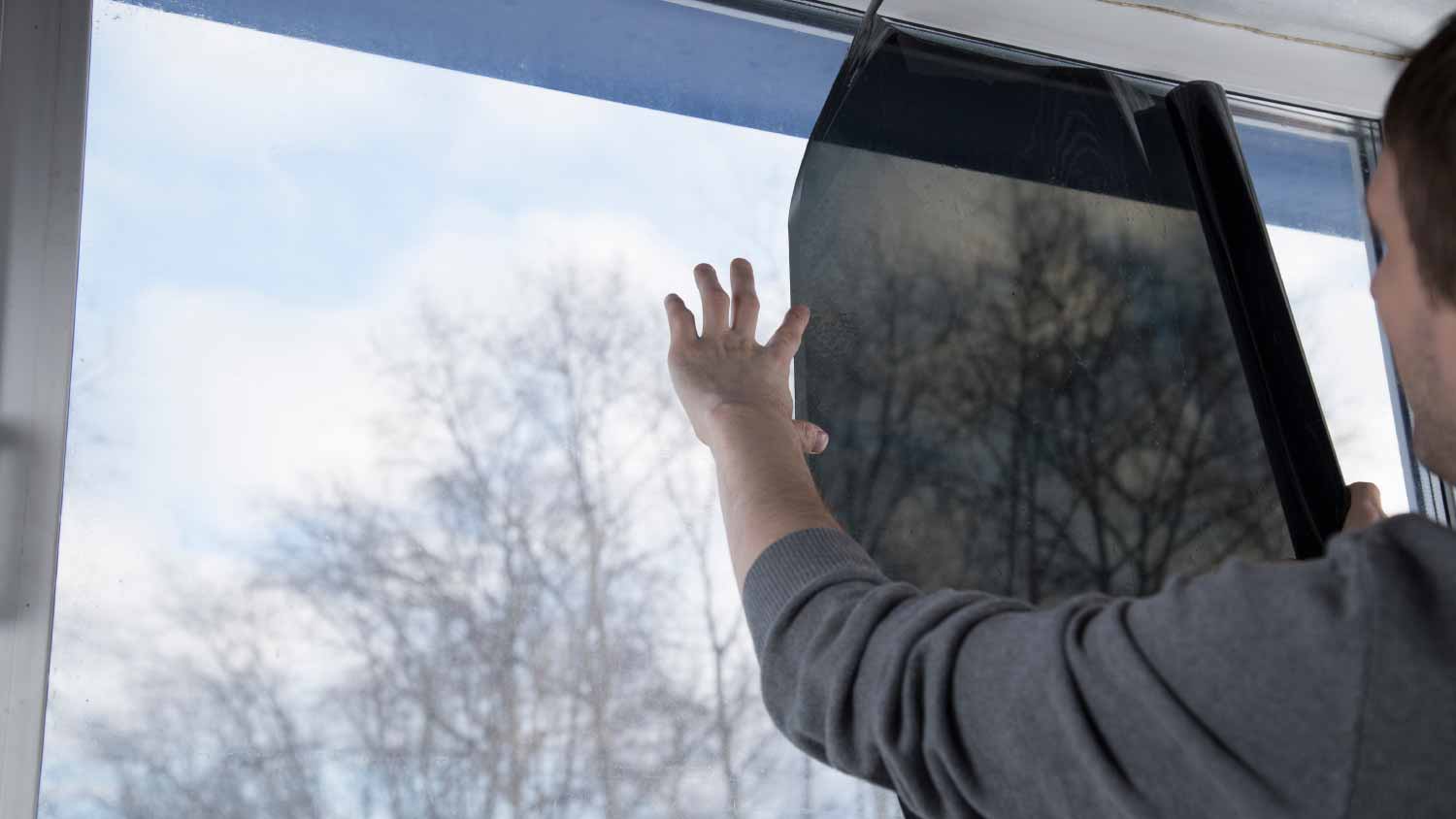
The most popular way to remove home window tint is by using a hairdryer. Most people already have one in their home, but if you don’t, you can buy one for as little as $15. All you need to do is turn the hairdryer to its hottest and highest setting and run it over the window tint for a few minutes. Then, you can easily peel it away. You may need some goo remover for any leftover adhesive, but this DIY could be free for many people.    

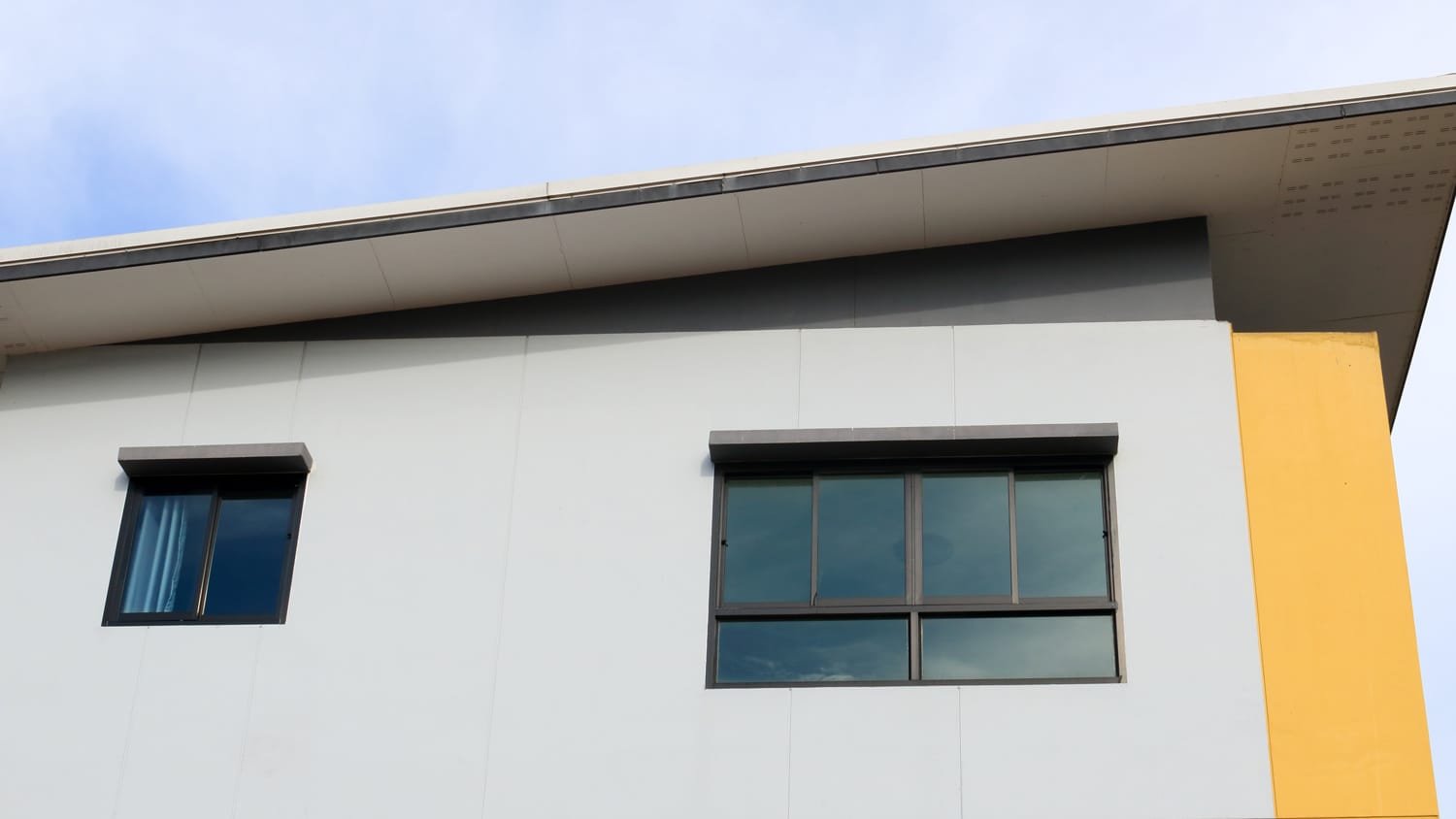
The visibility through tinted house windows depends on the lighting. During the day, when it is brighter outside, privacy film prevents people from seeing into your home. However, this effect reverses at night. If you have lights on inside, it becomes brighter indoors than outdoors, allowing people to see inside. To optimize privacy, you can select from various shades of film, ranging from lighter to darker, which affects how much is visible from the outside.