




Top-rated pool table assembly pros.

Get matched with top pool table assembly pros in Cloverdale, VA

Enter your zip and get matched with up to 5 pros

Need a pro for your pool table assembly project in Cloverdale, VA?

Select your specific project to find the pro for you.

TRUSTED BY CLOVERDALE, VA HOMEOWNERS

  • Average homeowner rating star icon4
    Average homeowner rating
  • Verified reviews icon252
    Verified pool table assembly services reviews

Find Pool table assembly pros in Cloverdale

...
Showing 1-10 of 168
Pool Table Assembly questions, answered by experts

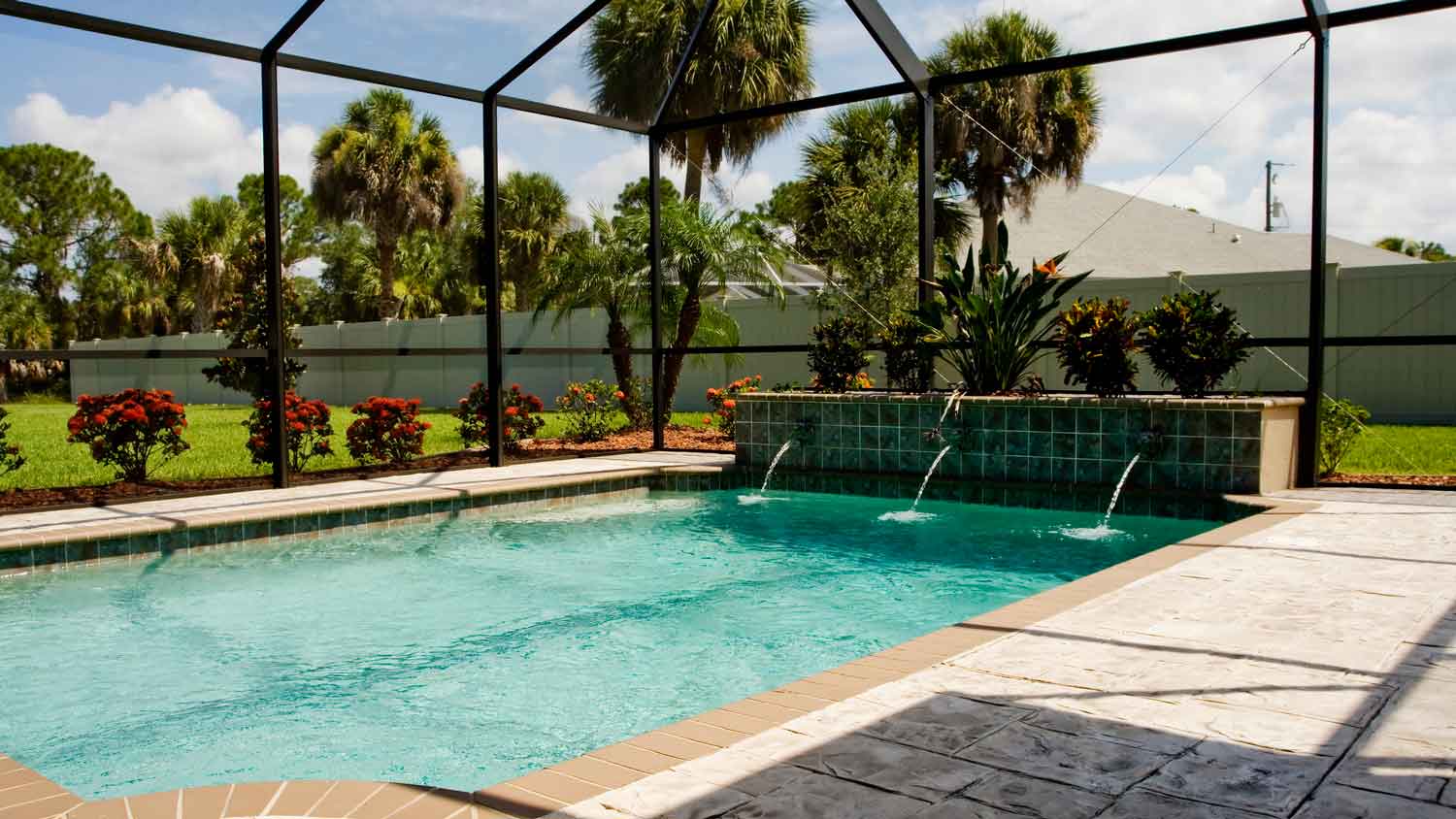
Before deciding to install a swimming pool in your yard, there are many factors to consider. Even if you still need to figure out the specifics with your pool installer, having an idea of what you'd like will help the initial consultation. Some topics to consider include:

  • Will you use salt water for your pool or traditional hose water?

  • How big of a pool do you want to install? How deep?

  • What special zoning laws do you need to follow for your area?

  • Do you want to keep it simple or add special features like underwater lighting and waterfalls?

Home inspectors only check swimming pools if they have expertise in that area. During a standard home inspection, they focus on the house’s structure, roof, foundation, electrical, plumbing, and other components. If they examine your pool, they’ll check the pump and heater. If you want a thorough pool inspection, hire a pool inspection specialist.

Calcium lumps in a pool are calcium deposits that form when a pool's water parameters are not in the normal range. They can float around on the surface of the pool water, making it look and feel dirty. The most common causes of calcium lumps in pools are calcium hardness above 1,000 ppm, alkalinity over 120, and a pH over 7.8. Keeping your pool’s calcium levels, alkalinity, and pH levels within the normal, safe ranges is the best way to prevent calcium lumps and other problems, including damage to the pool surface.

At noon, when the sun is at its highest point, sunlight can naturally increase the temperature of a pool by 0.7 degrees each hour, but this can depend on other external factors. For example, evaporation caused by the sun will cause a pool to lose up to 5 degrees for every 1/2 inch of water evaporated. Using a water heater will produce more reliable results.

If you put too much chlorine in your pool, it can make the pH level more acidic, creating a health risk. You might experience symptoms like nausea, dizziness, vomiting, skin rashes, and irritation in the eyes, nose, throat, and lungs. To lower the chlorine level, you can turn off your chlorinator or chlorine feeder, add more water to dilute the pool, or remove the cover to let sunlight naturally reduce the chlorine.

The Cloverdale, VA homeowners’ guide to pool table assembly services

From average costs to expert advice, get all the answers you need to get your job done.