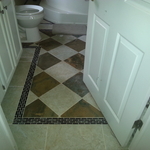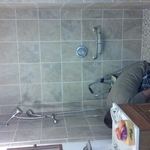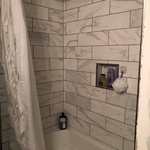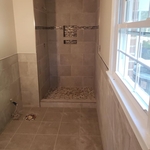



Top-rated marble and granite pros.

Best marble and granite pros near Cave Spring, VA

Enter your zip and get matched with up to 5 pros

Need a pro for your marble and granite service project in Cave Spring, VA?

Select your specific project to find the pro for you.

TRUSTED BY CAVE SPRING, VA HOMEOWNERS

  • Average homeowner rating star icon3.8
    Average homeowner rating
  • Verified reviews icon129
    Verified marble and granite services reviews

Top-Rated Marble and granite pros in Cave Spring - Updated Nov 2026

...
Showing 1-10 of 61
Marble and Granite FAQs, answered by experts

Since marble is a porous material, it is more prone to water spots than other countertop options. Fortunately, pure water doesn’t damage your marble, but if the water is acidic, it can cause stains or water spots. Resealing throughout the year can help increase marble’s water resistance, too.

Since cesspits must be watertight to prevent leakage and contamination, so they’re typically constructed from one of a few tough materials. Most cesspits are made from fiberglass, concrete, polythene, or steel. Each of these materials carries certain advantages—fiberglass, for example, is resistant to corrosion but may be more prone to cracking if it’s at high capacity.

No, you should not put a hot pan or pot directly on a quartz countertop. While quartz is generally heat-resistant, the resin binders used in its manufacturing are sensitive to extreme heat. Placing a hot pan on the surface can damage the resin, leading to discoloration or other cosmetic issues. If the heat exceeds 150 degrees Fahrenheit, it can cause permanent damage, such as burns or even cracking. To protect your countertop, always use trivets or hot pads.

Marble is a porous natural stone that needs sealant to minimize staining. Leaving this type of countertop material sealant-free means any liquids left on the surface will quickly absorb into the stone, discoloring it and dulling the sheen. Dark or acidic liquids, like red wine, coffee, and lemon, are the worst culprits. 

There are a few ways to remove calcium buildup in your pipes, but the most natural option involves vinegar, baking soda, and boiling water. To use this method, pour 1/2 cup of vinegar down the drain you're trying to clear, then follow it up with 1/2 cup of baking soda. Place a rag over the drain to create a light seal and leave it for 30 minutes. Remove the rag, then pour a pot of boiling water into the drain. After the water drains, wipe everything down with a sponge.

The Cave Spring, VA homeowners’ guide to marble and granite services

From average costs to expert advice, get all the answers you need to get your job done.