


Top-rated energy efficiency auditors.

Get matched with top energy efficiency auditors in Alberta, VA

Enter your zip and get matched with up to 5 pros

Need a pro for your energy efficiency auditing project in Alberta, VA?

Select your specific project to find the pro for you.

Find Energy efficiency auditors in Alberta

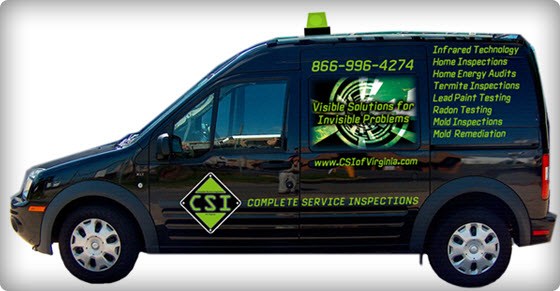
Avatar for CSI Home and Commercial Services
CSI Home and Commercial Services
4.6(
80
)
Energy Audit - For BusinessHome Energy Audit

Serving Alberta, VA and surrounding areas

In business since 1995

Free estimates

Credit card accepted

"Amazing team of professional individuals. Extremely thorough and willing to share their knowledge. No such thing as a stupid question. Broke everything down to laymen terms. Totally worth every penny. Can't wait to get back an estimate and higher them to do the work!"
Additional Photos
Additional Photos
Additional Photos
Additional Photos
Additional Photos

+5

Recommended by97%of homeowners
Avatar for Renewable Engineered Systems
Renewable Engineered Systems
4.7(
12
)
Energy Audit - For BusinessHome Energy Audit

Serving Alberta, VA and surrounding areas

In business since 1998

Free estimates

Emergency services offered

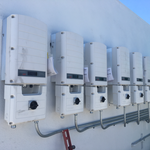
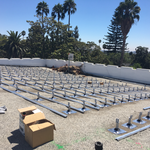
"Wonderful, it was a very quick and easy process. Brian talked us through it and in no time we had a 3KW system mounted on a frame in the garden and the invertor installed in the basement. Brian talked us through working with our power company to get the system checked and approved and we now get credits from the power company for power we provide to the grid. In addition we are set up to get Solar Renewable Energy Credits (SRECs) payments for providing clean energy. We also got a free Energy Audit which helped locate some problems areas we were able to fix. The system has basically cut our energy costs in half. I have hesitation in recommending them to anyone interested in solar energy."

Additional Photos
Additional Photos
Additional Photos
Additional Photos
Additional Photos

+14

Recommended by100%of homeowners
Energy Efficiency Auditing questions, answered by experts

STC (Sound Transmission Class) is a rating that describes how well a building material or assembly blocks airborne sound. A higher STC rating means less noise will pass through the material, providing better sound reduction. This rating system applies to various building components, including windows, doors, flooring, drywall, and insulation.

For context, a typical single-pane window has an STC rating of around 25 (where normal conversations are audible), while a well-sealed, double-pane window can exceed STC 45 (blocking loud speech and most music). It is important to note that for some products, like soundproofing drywall, the STC rating refers to the entire wall system, not just the individual panel.

Additionally, STC ratings are most effective for measuring sound reduction at mid-to-high frequencies, such as human speech, and may not accurately reflect how well a material blocks low-frequency sounds like bass music or thunder. Because of these factors, it is recommended to consult a professional to determine the right STC-rated materials for your specific soundproofing needs.

Fireplaces can theoretically help you save on heating bills if you lower the temperature throughout the rest of your home and heat only a single room that you occupy using the fireplace. However, in most cases, homeowners won’t save any money on heating bills. Gas and electric fireplace inserts could actually lead to a spike in your respective energy bills if you use them frequently, and if you don’t keep up with chimney maintenance and repairs, your traditional masonry fireplace could actually be a source of heat loss in the winter.

A small sump pump running infrequently uses an average of 10 kilowatt-hours (kWh) of electricity per month. The average cost for electricity is $0.171 per kWh. The size and use frequency affect how much electricity it uses. Sump pumps average one-third to one horsepower (hp) motors. One hp is equal to 745.7 watts. Watts multiplied by the time your pump is running divided by 1,000 equals your average kWh. Multiply kWh by your average cost of electricity. In areas with high rain or a marsh basin, the average cost can be as high as $15-$25 a month.

Leaving vents open but closing doors in unused rooms will probably not save money on your energy bill. Closed doors prevent the natural flow of air throughout the home, which could reduce the efficiency of the overall HVAC system. They could also restrict airflow into and through the return vents, making the HVAC system less efficient.

Modern windows provide enhanced UV protection, improved heat retention, and cooling efficiency, contributing to overall household energy savings.

The Alberta, VA homeowners’ guide to energy efficiency auditing services

From average costs to expert advice, get all the answers you need to get your job done.