




Top-rated lead testing and removal specialists.

Best lead testing and removal specialists near West Bountiful, UT

Enter your zip and get matched with up to 5 pros

Need a pro for your lead testing and removal project in West Bountiful, UT?

Select your specific project to find the pro for you.

Top-Rated Lead testing and removal specialists in West Bountiful - Updated Nov 2026

Avatar for ACM Environmental
ACM Environmental
4.9(
24
)
Toxic Lead - Abatement

Serving West Bountiful, UT and surrounding areas

Approved

In business since 2019

Free estimates

Emergency services offered

"We got a quote from someone our insurance recommended they quoted $3300 to remove only half of the drywall with asbestos in it. ACM removed all of the drywall in our small basement for less than half of that. They were very professional, communicative, and did a great job."
ACM
ACM
Asbestos Removal
Asbestos Removal
Asbestos Removal

+7

Response time9 hrs
16 neighbors recently requested a quote
Recommended by71%of homeowners

Avatar for Disaster Doctors
Disaster Doctors
5.0(
20
)
Toxic Lead - AbatementToxic Lead - Testing

Serving West Bountiful, UT and surrounding areas

In business since 2014

Emergency services offered

Credit card accepted

"Very knowledgeable and professional. We had a concern and they came out immediately. They were able to explain the situation and assuage our fears (thankfully everything was just fine with our home and there wasn't any damage). They didn't even charge for the consultation."
Recommended by100%of homeowners
Western Environmental, LLC
5.0(
2
)
Toxic Lead - Abatement

Serving West Bountiful, UT and surrounding areas

In business since 2005

Free estimates

Emergency services offered

"I needed a super specific and custom window installed in my basement. Iâ m extremely impressed with the attention to detail and precision of work completed. Western Environmental made it a seamless process from start to finish. I will be using them again for future projects and highly recommend them to anyone in need of their services."
Recommended by100%of homeowners
Lead Testing and Removal FAQs, answered by experts

According to the Environmental Protection Agency (EPA), hazardous waste is generally classified into four main categories:

1. Characteristic Wastes: These exhibit at least one of four hazardous traits: ignitability (flammable, like gasoline), corrosivity (can rust or decompose materials, like car batteries), reactivity (unstable and can explode, like aerosol cans), or toxicity (harmful when ingested, like lead-based paint).

2. Listed Wastes: These are specific wastes from manufacturing and industrial processes that the EPA has officially designated as hazardous. They include byproducts from processes that use solvents, pesticides, and other chemicals.

3. Universal Wastes: These are commonly generated hazardous items that are subject to streamlined regulations. Examples include batteries, pesticides, mercury-containing equipment (e.g., bulbs), and some lamps.

4. Mixed Wastes: This category includes waste that contains both hazardous and radioactive components, making it subject to regulation by both the EPA and the Nuclear Regulatory Commission.

DIY lead testing kits are available, but they often lack the accuracy and reliability of professional services. Professional testing is recommended for more accurate results, as properly certified testers can provide a thorough analysis, clear recommendations, and the necessary legal documentation if remediation is required.

Government regulations such as the EPA and OSHA govern lead removal procedures to ensure health and environmental safety during and after abatement.

A lead paint inspection is a thorough examination and assessment of a building or structure to determine the presence of lead-based paint. Lead-based paint was commonly used in buildings before 1978 when its health hazards were fully understood. Lead is toxic and can pose health risks, particularly to young children and pregnant women. Getting a lead paint inspection means finding a lead paint inspector to examine the surfaces of the building—such as walls, ceilings, doors, windows, and other painted areas—and identify the presence of lead-based paint.

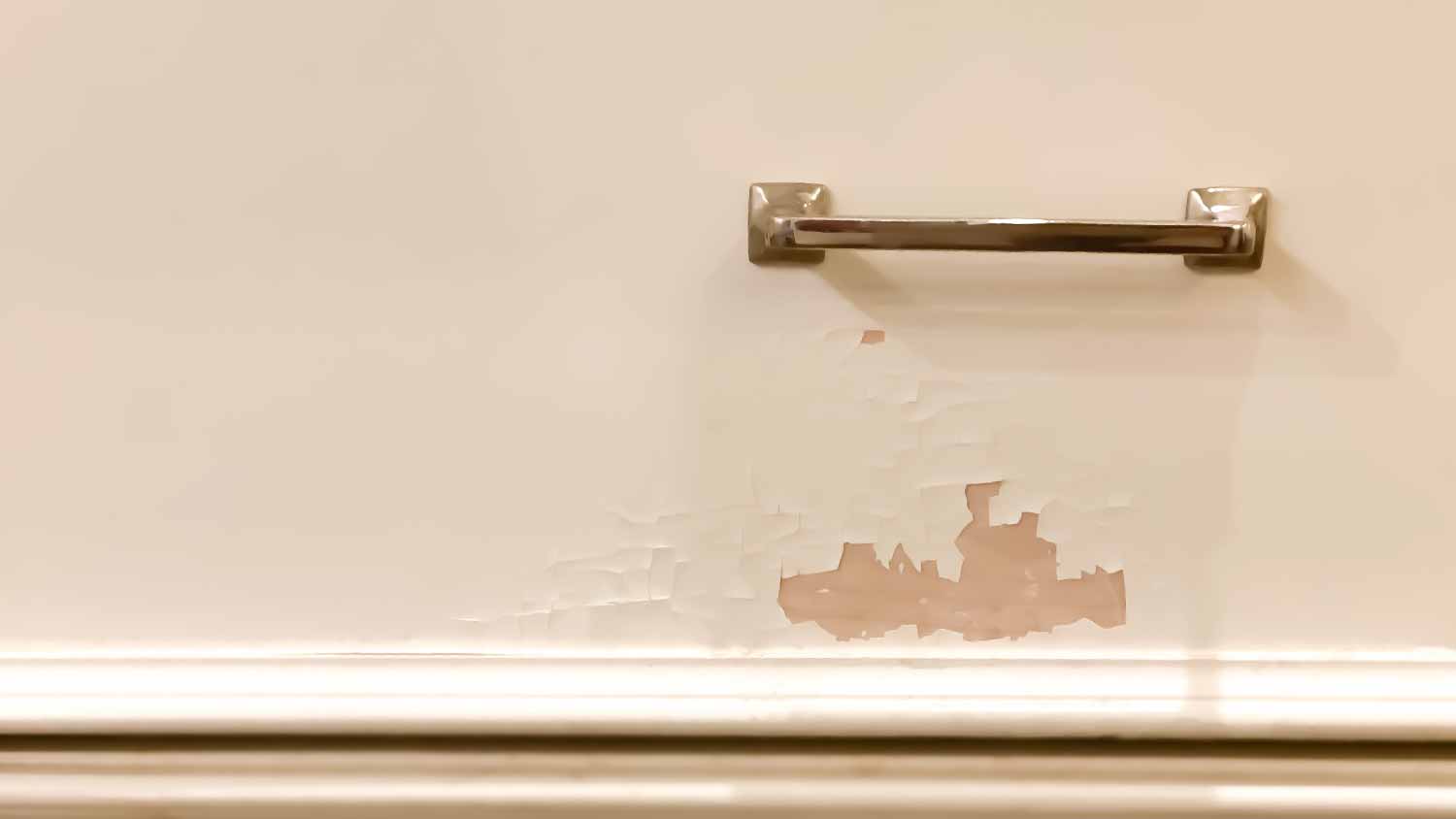
If the lead paint is in a place that is not easily disturbed and is not flaking or deteriorating, you do not necessarily need to remove it. Lead is toxic when dust particles or flakes from peeling lead paint are ingested. If people are not in the area with the lead paint, it may be safe to leave it in place. You still may want to consider encapsulation with a paint formulated for covering lead-based paint, just for an added layer of protection.

The West Bountiful, UT homeowners’ guide to lead testing and removal services

From average costs to expert advice, get all the answers you need to get your job done.