


Top-rated lead testing and removal specialists.

Get matched with top lead testing and removal specialists in South Weber, UT

Enter your zip and get matched with up to 5 pros

Need a pro for your lead testing and removal project in South Weber, UT?

Select your specific project to find the pro for you.

Find Lead testing and removal specialists in South Weber

Avatar for Disaster Doctors
Disaster Doctors
5.0(
20
)
Toxic Lead - AbatementToxic Lead - Testing

Serving South Weber, UT and surrounding areas

In business since 2014

Emergency services offered

Credit card accepted

"Very knowledgeable and professional. We had a concern and they came out immediately. They were able to explain the situation and assuage our fears (thankfully everything was just fine with our home and there wasn't any damage). They didn't even charge for the consultation."
Recommended by100%of homeowners

Western Environmental, LLC
5.0(
2
)
Toxic Lead - Abatement

Serving South Weber, UT and surrounding areas

In business since 2005

Free estimates

Emergency services offered

"I needed a super specific and custom window installed in my basement. Iâ m extremely impressed with the attention to detail and precision of work completed. Western Environmental made it a seamless process from start to finish. I will be using them again for future projects and highly recommend them to anyone in need of their services."
Recommended by100%of homeowners

That Asbestos Guy Environmental, LLC
5.0(
6
)
Toxic Lead - Testing

Serving South Weber, UT and surrounding areas

In business since 2010

Free estimates

Emergency services offered

"I called the Guy to inspect my place for Mold. I got an immediate response setting up an appointment for the next day. The Guy promptly showed up for our appointment, then went to work inspecting and analyzing the situation and what needed to be done. The Guy, is very competent, thorough and gets right to the issues with his professional work. I am very satisfied with the Guy's analysis inspection and results. I would recommend the Guy, for any type of work in his area of expertise to anyone with a similar question of Mold etc."
Recommended by100%of homeowners
Lead Testing and Removal questions, answered by experts

Iron sediments from rusty pipes are not likely to cause health problems. While a glass of yellow-hued water is off-putting, it is generally safe to drink yellow water in the short term. But you certainly want to address this problem. In the meantime, switching to bottled water until the yellow water issue is resolved is a good idea. 

How you test for lead in your water depends on the source of your home's water supply. If you have municipal water, your local water system may offer to test the water for free or may connect you to a lab that will perform the testing.

If you have a private well that provides drinking water, you are responsible for testing it for lead. Look for a lab that is accredited by your state's Department of Environmental Protection to perform the test.

You should ask a few questions to ensure that your potential lead removal professional is experienced and qualified to handle lead-paint abatement safely, legally, and properly.

  • What are your qualifications and experience removing lead-based paint?

  • Are you licensed and certified to remove lead-based paint?

  • How do you test for lead paint?

  • What methods do you use for lead-based paint abatement?

  • What do you plan to do with the hazardous material when you remove it from the home?

  • Do you do replacement and painting work or removal only?

According to the Environmental Protection Agency (EPA), hazardous waste is generally classified into four main categories:

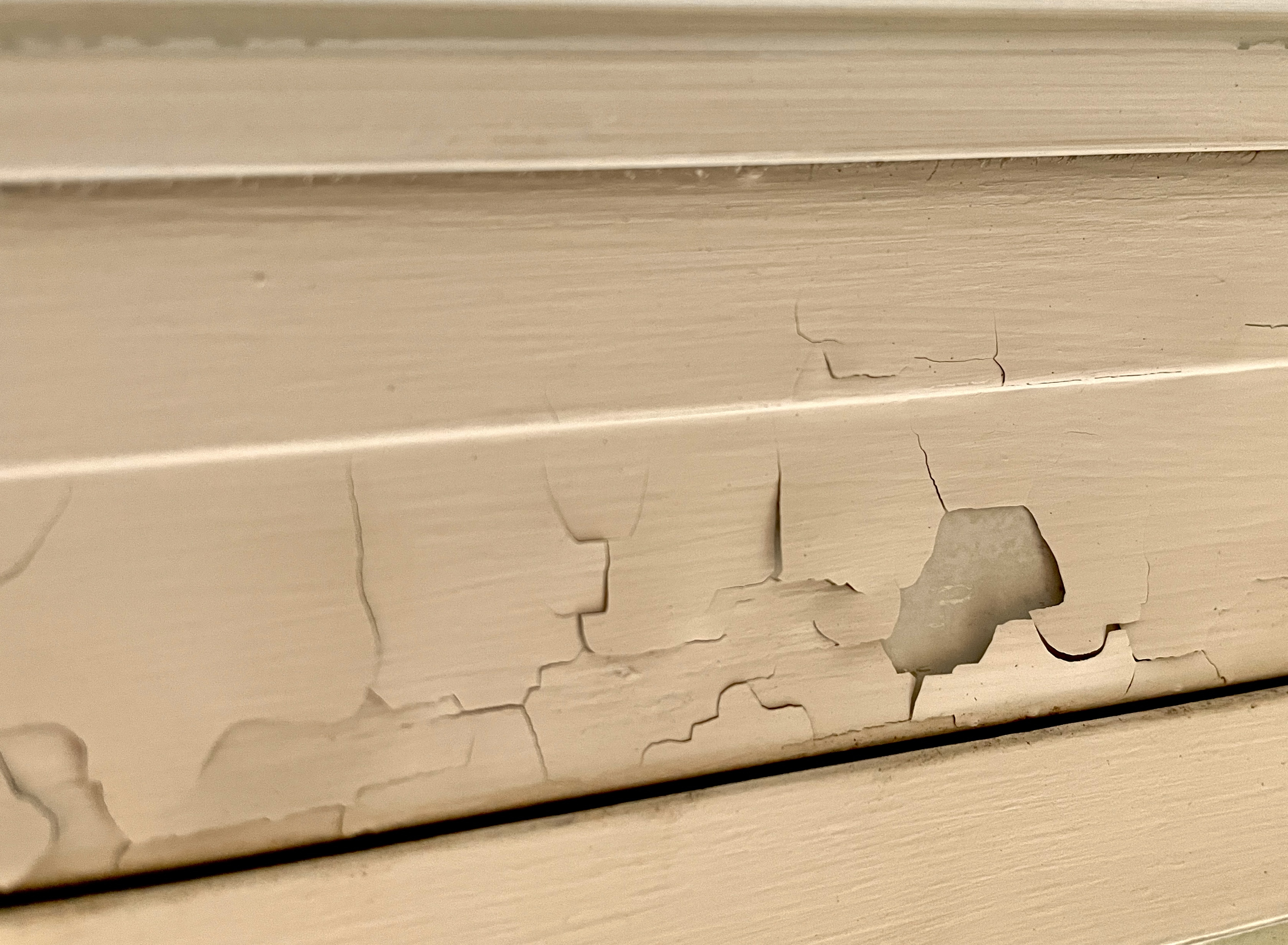
1. Characteristic Wastes: These exhibit at least one of four hazardous traits: ignitability (flammable, like gasoline), corrosivity (can rust or decompose materials, like car batteries), reactivity (unstable and can explode, like aerosol cans), or toxicity (harmful when ingested, like lead-based paint).

2. Listed Wastes: These are specific wastes from manufacturing and industrial processes that the EPA has officially designated as hazardous. They include byproducts from processes that use solvents, pesticides, and other chemicals.

3. Universal Wastes: These are commonly generated hazardous items that are subject to streamlined regulations. Examples include batteries, pesticides, mercury-containing equipment (e.g., bulbs), and some lamps.

4. Mixed Wastes: This category includes waste that contains both hazardous and radioactive components, making it subject to regulation by both the EPA and the Nuclear Regulatory Commission.

“Testing” can start with your senses: Assessing your water’s appearance, taste, and smell can all be good first steps. The best way to know for sure what’s going on with your water is to use a well water testing kit, which can tell you about the specific levels of bacteria, dissolved solids, and hardness of your water with precision. Have a pro test your well water at least once per year.

The South Weber, UT homeowners’ guide to lead testing and removal services

From average costs to expert advice, get all the answers you need to get your job done.


