






Top-rated retaining wall installation pros.

Get matched with top retaining wall installation pros in Roosevelt, UT

Enter your zip and get matched with up to 5 pros

Need a pro for your retaining wall installation project in Roosevelt, UT?

Select your specific project to find the pro for you.

Find Retaining wall installation pros in Roosevelt

Avatar for Mach 2 Construction, LLC
Mach 2 Construction, LLC
New to Angi
Retaining Wall - Install

Serving Roosevelt, UT and surrounding areas

In business since 2013

Free estimates

Mach 2 Construction, LLC is ready to work for you. There isn't a job too big or small for our highly qualified staff. We take care of all our customers the right way. Give us a call today for your free estimate.

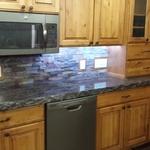
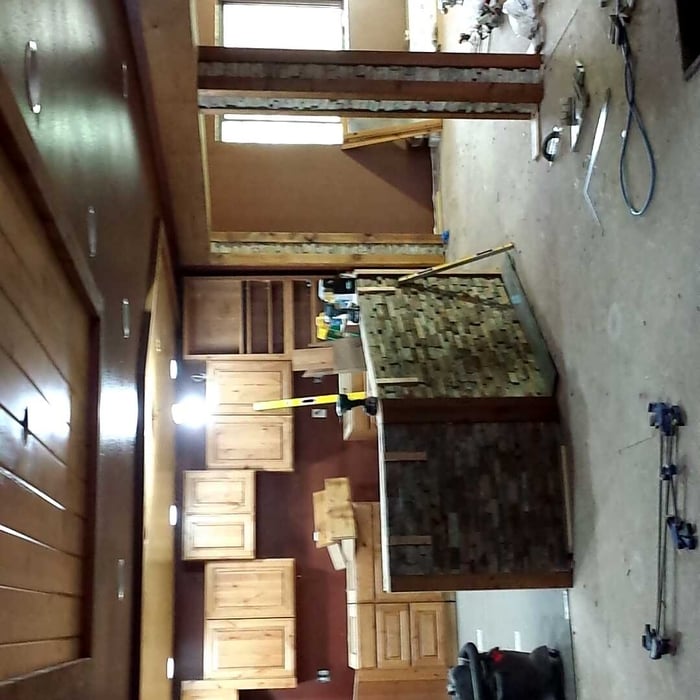
Finished Countertops, Cupboards, Appliances
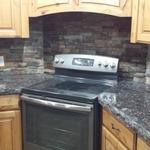
Corner Cabinets, Stove
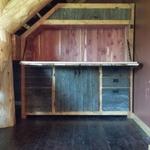
Custom TV Cabinet, Custom Logwork
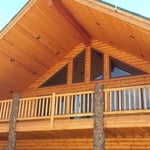
Siding, Soffit, Handrail
Kitchen Work in Progress

+5

Response time12 hrs
Retaining Wall Installers questions, answered by experts

Small retaining walls still require a foundation of some kind, typically a concrete footing. This helps to ensure the wall is structurally sound and prevents the ground from shifting over time, especially during those winter freeze/thaw cycles. The footing helps spread the weight of the wall and the load it carries over a larger area of the ground, thus assisting with stability. This is true of small retaining walls, larger rock garden walls, and the like. 

Generally speaking, a retaining wall should be between 3 and 4 feet high, depending on variables such as the wall-building material, the purpose of the retaining wall, and more. If you want your retaining wall to be taller than 4 feet, check with your local building ordinance office for the maximum allotment. You may also need a special permit for retaining walls over 4 feet tall.

Each design is different, so we can’t say definitively if you’ll need a dedicated drainage system in place for a two-foot retaining wall. However, you can likely skip the drainage, as this project is typically served for walls that are 4 feet tall or more. Even with a relatively low wall, consider drainage if you are building on top of clay or poor-draining soil types or if there are buried water sources nearby, like a well used for other outdoor garden projects.

Sand and gravel are two suitable options for filling behind a retaining wall. If you’re building your own retaining wall, you’ll complete this part of the process—known as backfilling—after you finish laying the blocks. Make sure not to skip it—otherwise, you could wind up with drainage issues, which can cause your retaining wall to collapse.

Regular inspection for issues like cracks or leaning and ensuring drainage stays clear.

The Roosevelt, UT homeowners’ guide to retaining wall installation services

From average costs to expert advice, get all the answers you need to get your job done.