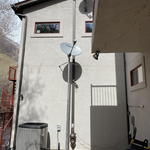
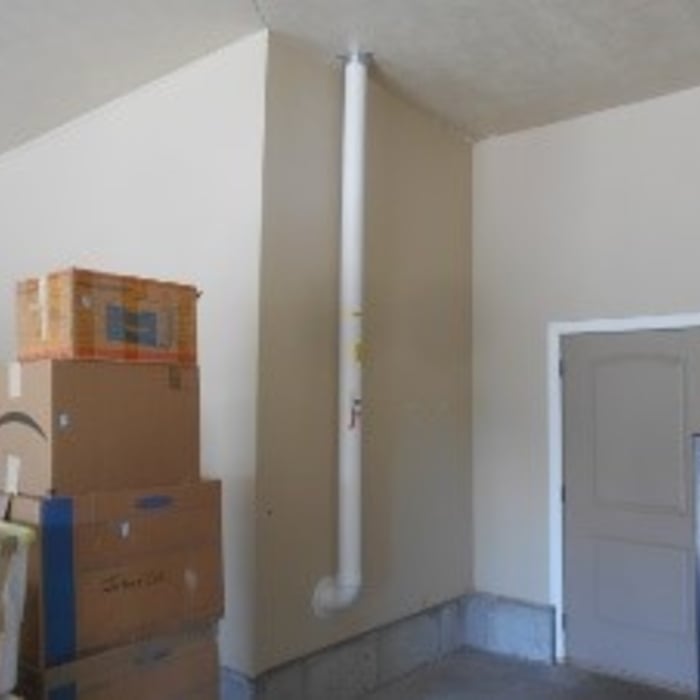
"They were the best in experience and background, they went in and did their job in 24 hrs our radon gases decreased for 90%, I'm impressed, they are who they are"
"I had mold growing in my apt. The response by this company was quick and courteous. I hope I never have a problem like this again, but if I ever did this is the company I would hire."
Asbestos is a hazardous material that poses serious health risks when its fibers become airborne and are inhaled. Exposure to asbestos can lead to severe respiratory diseases, including lung cancer and mesothelioma. For these reasons, it is essential to remove asbestos safely and in compliance with regulations to protect the health of occupants and ensure the property meets safety standards.
Radon Detection and Reduction questions, answered by experts
Mitigation reduces radon levels, protecting your health and complying with safety standards.
While DIY testing is possible, abatement generally requires professional installation to ensure efficacy and meet safety standards.
The cost to replace a radon fan ranges from $300 to $600 for the fan itself, with installation adding an additional $200 to $500. Overall, the total cost for replacement can range from $500 to $1,100, depending on factors such as the fan model, home size, and local labor rates. If the fan is part of a larger radon mitigation system, the price may be higher.
Options include sub-slab depressurization, crawlspace ventilation, and sealing cracks. Choose based on home construction and radon levels.
No, air purifiers are not an effective way to reduce or remove radon. Radon is a radioactive, inert gas that cannot be filtered by standard air purifiers, which are designed to capture particulates like dust and mold. While an air purifier can improve indoor air quality by removing other pollutants, it should not be relied upon for radon. The only effective solution for high radon levels is a dedicated radon mitigation system.
The Montezuma Creek, UT homeowners’ guide to radon detection and reduction services
From average costs to expert advice, get all the answers you need to get your job done.
Get clear answers on how much radon remediation costs, including average prices, key cost factors, and tips to save money on your home’s radon mitigation.
Find out what impacts radon testing costs, including average prices for DIY kits and professional services, so you can protect your home and budget confidently.
Radon is a gas that you can't see or smell and is harmful to your health. If your home has radon, you need to know who installs radon mitigation systems.
Knowing how to test for radon will keep your home free and safe from this odorless gas—you just have to decide whether to do it yourself or hire a pro.