





Top-rated energy efficiency auditors.

Get matched with top energy efficiency auditors in Mona, UT

Enter your zip and get matched with up to 5 pros

Need a pro for your energy efficiency auditing project in Mona, UT?

Select your specific project to find the pro for you.

Find Energy efficiency auditors in Mona

Avatar for Power IQ, LLC
Power IQ, LLC
4.9(
15
)

Serving Mona, UT and surrounding areas

Approved

In business since 2014

Free estimates

Small jobs welcome

"Chris was the installer. He spent about 90 minutes blowing in my insulation. He even added an extra bag. Cleaned up afterwards, too. Happy with the job. Can't wait to see how effective it is."
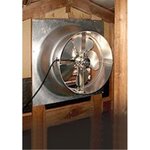
Gable Mount Attic fan
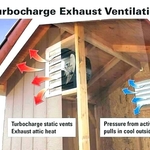
How it works
Smart thermostat
Response time1 day
7 neighbors recently requested a quote
Recommended by93%of homeowners
Avatar for King home inspections and maintenance
King home inspections and maintenance
New to Angi

Serving Mona, UT and surrounding areas

Small jobs welcome

I help homeowners protect and improve their biggest investment. Full-service home inspections, maintenance, repairs, and remodels. Hands-on expertise, straight-forward communication, and a blue-collar work ethic you can count on.

Pergola install
Energy Efficiency Auditing questions, answered by experts

The three levels of home energy audits include:

  • Level 1: Review of your energy bills and home for signs of energy inefficiency and areas for improvement. The average cost range is $0.08 to $0.12 per square foot.

  • Level 2: A level 2 ASHRAE energy audit costs $0.12 and $0.35 per square foot. In-depth analysis of your energy usage and provides a report of cost-saving changes.

  • Level 3: Comprehensive analysis and detailed recommendations for ways to improve your home’s energy efficiency. A level 3 audit costs about $0.36 to $0.50 per square foot.

To determine the right size generator for your house, you should calculate the total wattage of the appliances and devices you want to power during an outage. List all essential items, note their start-up wattages, and add them together.

Here are some typical wattage requirements for common appliances:

  • Refrigerator: 600 watts

  • Large dehumidifier: 700 watts

  • Large window air conditioner: 1,400 watts

  • Water heater: 3,000 to 4,500 watts

  • Electric furnace: 5,000 to 25,000 watts

A 7,500-watt generator might be sufficient for essentials like a refrigerator, freezer, well pump, and lighting circuits. However, for high-demand items like a water heater or furnace, a whole-home generator is a better choice. A portable generator may be enough if you only need to power a few critical items.

While home square footage can offer a rough estimate, it is not always a reliable indicator. For reference, here are some typical generator sizes based on square footage:

  • 1,000 sq ft: 6–9 kW

  • 1,500 sq ft: 7–10 kW

  • 2,000 sq ft: 10–14 kW

  • 2,500 sq ft: 12–16 kW

  • 3,000 sq ft: 16–20 kW+

For the most accurate sizing, consult a professional who can calculate your home's peak and average power consumption and recommend the optimal generator.

Dehumidifiers typically use 300 to 700 watts of electricity per hour, whereas portable dehumidifiers use about 40 watts per hour. The exact amount of electricity your dehumidifier will generate depends on its capacity and energy efficiency. Generally, higher-capacity dehumidifiers generate more electricity than lower-capacity units, but they also usually have better energy efficiency over the long run.

An average, 400-square-foot electric heated driveways consume approximately $3 per hour in terms of electricity. The price may slightly fluctuate depending on your local energy cost. A simple formula to calculate your heated driveway’s total wattage consumption is by multiplying the square footage by 50 watts and then dividing it by 1,000 to get the kilowatt number. Multiply that with your local energy cost per hour and there you have the hourly operating cost.

Hawaii is currently rated as the most expensive state for utilities. How much are utilities for a house in Hawaii? With electricity costs in Hawaii totaling nearly 42 cents per kilowatt-hour, residents are paying more to run their households than any other residents. Electricity costs in Hawaii are so high, mostly due to the fact that most of the electricity available to residents is produced using oil that must be shipped in from other places.

The Mona, UT homeowners’ guide to energy efficiency auditing services

From average costs to expert advice, get all the answers you need to get your job done.