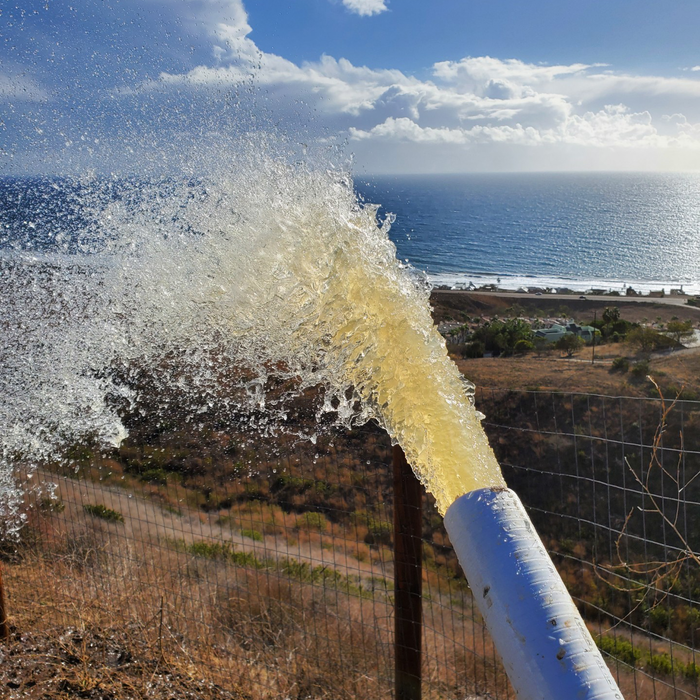
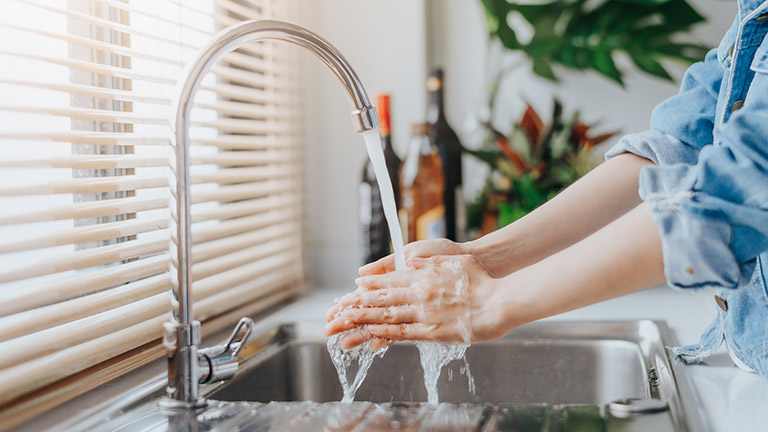
Generally, it is safe to bathe in yellow water, as the color is often caused by iron, tannins, or rust, which won't harm your skin. Soap will still clean you effectively, though the water might leave stains. However, if the water has an unusual smell or you suspect contamination, avoid bathing and contact a plumber for an inspection. A professional can also help if you find bathing in yellow water problematic and want to determine how to get your water clear again.
A water softener is a worthwhile investment if you live in an area with hard water. While hard water is safe to drink, it contains minerals like calcium and magnesium that can cause significant problems over time. These minerals build up inside pipes, reducing water flow and eventually corroding the plumbing system, which can lead to leaks and a shortened lifespan. Hard water also damages fixtures and appliances, potentially resulting in costly repairs. Additionally, it makes soaps and detergents less effective, meaning you'll use more product to get things clean. By installing a water softener, you can prevent these issues. The initial investment is often recouped through long-term savings, including lower energy bills, reduced appliance and plumbing maintenance, and spending less on soap and cleaning supplies. Other benefits include cleaner linens, dishes, and clothing, as well as softer water that is gentler on your skin and hair. In some areas, a water softener can also increase your home's value, making it a valuable long-term investment.
Yes. Hard water is what causes scale buildup, and a whole-house filter provides numerous benefits beyond water softening. Any water that enters your home will go through the filter, which cleans up all water that you will use for cooking, bathing, and drinking. A whole-house water filter also blocks harmful particles like heavy metals.
Yes, a water softener can remove scale deposits. According to the U.S. Department of Energy, after you add a water softener to your home, “gradually the softer water will dissolve limescale scale deposits and remove the problem entirely.” Installing a water softener—or water descaler—will also help prevent new scale deposits from forming.
While not everyone can detect taste differences in high-calcium water, water that has a slightly metallic taste probably has too much calcium.
The Halls Crossing, UT homeowners’ guide to water softener services
From average costs to expert advice, get all the answers you need to get your job done.
Water softeners work to remove unwanted minerals from hard water through a filtration and recharge cycle. Keep reading to learn how a water softener works.
There are four common softener alternatives available on the market today. We compare and contrast each one to help you find your best-fit solution in this blog.
Water softeners rid your home of hard minerals and, well, soften your water. Even better, the regeneration process is an automatic cycle that works when you’re least likely to use it.
Water softeners remove hard minerals from your tap water, improving plumbing systems and water-using appliances. Here are the most efficient water softeners out there.