"AHS is ok. They cover repairs of most everything under the roof of your house. The companies that contract with them are not always the best. You call AHS with the issue, they send a fax to the repair company and give you the contact info. If they don't contact you within 24 hours, you call them. Sometimes they answer, sometimes they don't. When they arrive (usually three days or so later), they service the item. if it has issues within the 90 days, you call AHS again, they are sent out with no charge. If the serviceman decides the unit is unrepairable, AHS will allow you to choose a replacement from their listing (usually not as good as what you have) they will install and remove your old item, or give you wholesale amount to buy and install your own. Prices vary on what you want covered and what you want the copay to be, plus where you live. For me it is 49.99 per month with a 75.00 time of service order. You can have more than one item serviced at the same time under the same fee. If you have a SEAR product the repair guys are great. Not that wild about the other ones they send out. But it is a big savings compared to calling someone on your own. The cost of service is only the 75.00 copay."

Install Above Ground Pools questions, answered by experts
Yes, too much chlorine can make your pool cloudy, especially after you have recently shocked it. However, low chlorine levels are a more common cause of cloudy water. An imbalance in pH or an excess of any chemical can also lead to cloudiness. To determine the specific cause, you should test your pool water to check the levels of chlorine, pH, and other chemicals. Regular maintenance is essential for keeping your pool clean and clear.
The most expensive part of building a pool is typically the excavation and labor, which can account for 25% to 50% of the total project cost. This is particularly true for inground pools that require significant excavation, potentially including the rental of large equipment, and extensive construction labor. In contrast, above-ground pools are generally less expensive as they typically do not require excavation and can be installed much more quickly. Concrete in-ground pools are among the most labor-intensive options.
How long a pool liner lasts depends on the type of pool. Most in-ground pool liners last between six and 12 years, while aboveground pool liners last anywhere from six to 10 years. You can extend the life of your pool liner by maintaining proper pool chemistry, adding chemicals individually to avoid staining the liner, using a pool cover to protect it from the sun, and keeping sharp objects away from it.
With a regular pool, the water is contained by visible walls that are higher than the water level. An infinity pool has one or more walls that are right at the waterline so they're not truly visible. For an invisible look, the lower wall is often made of glass or clear acrylic. The water laps over the lower edge and into a catch basin below where it gets pumped back into the pool.
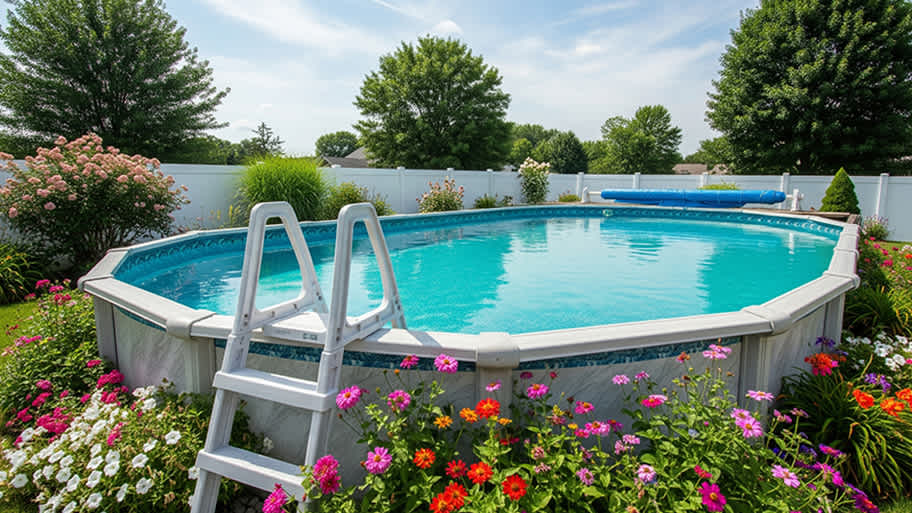
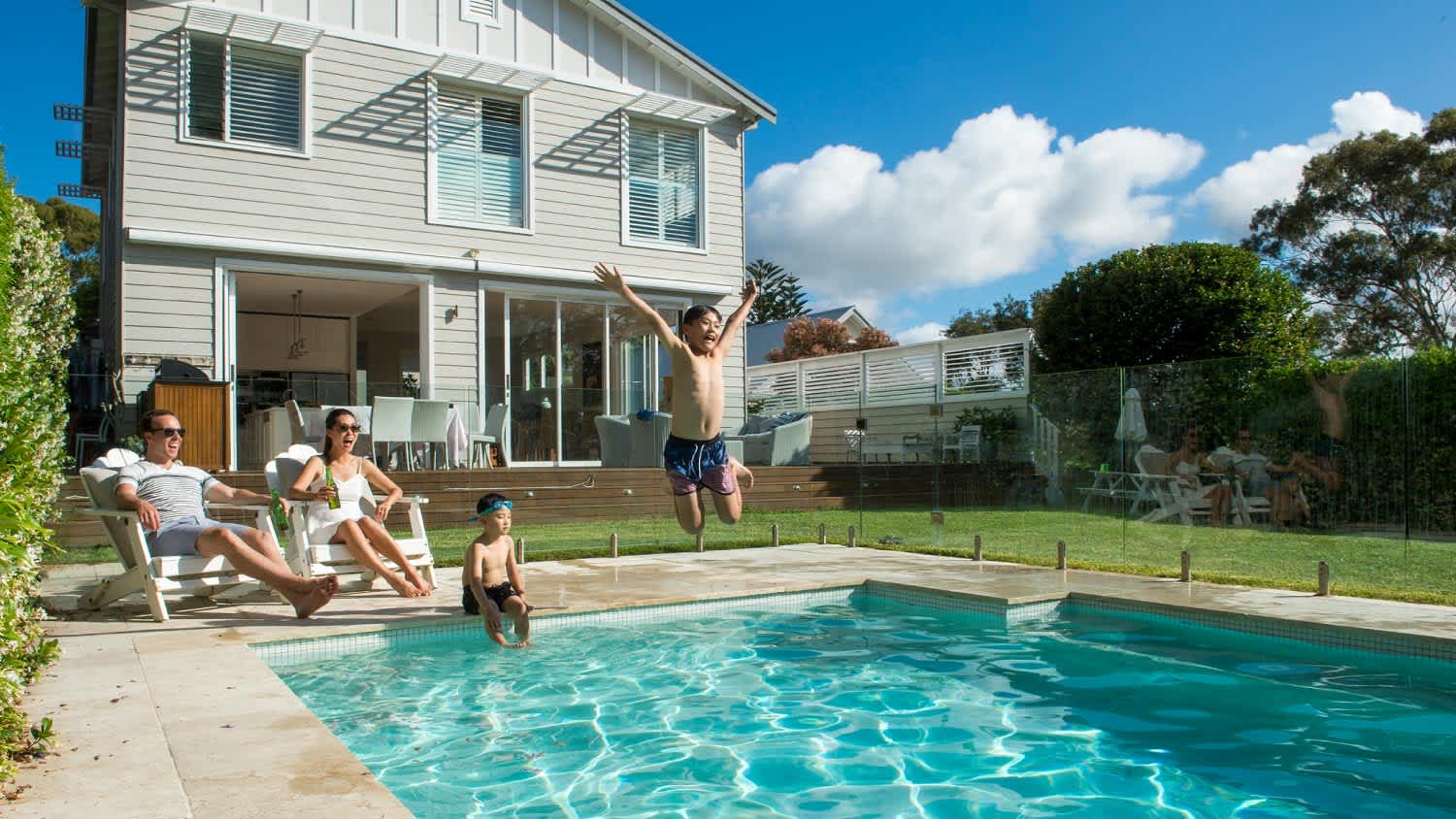
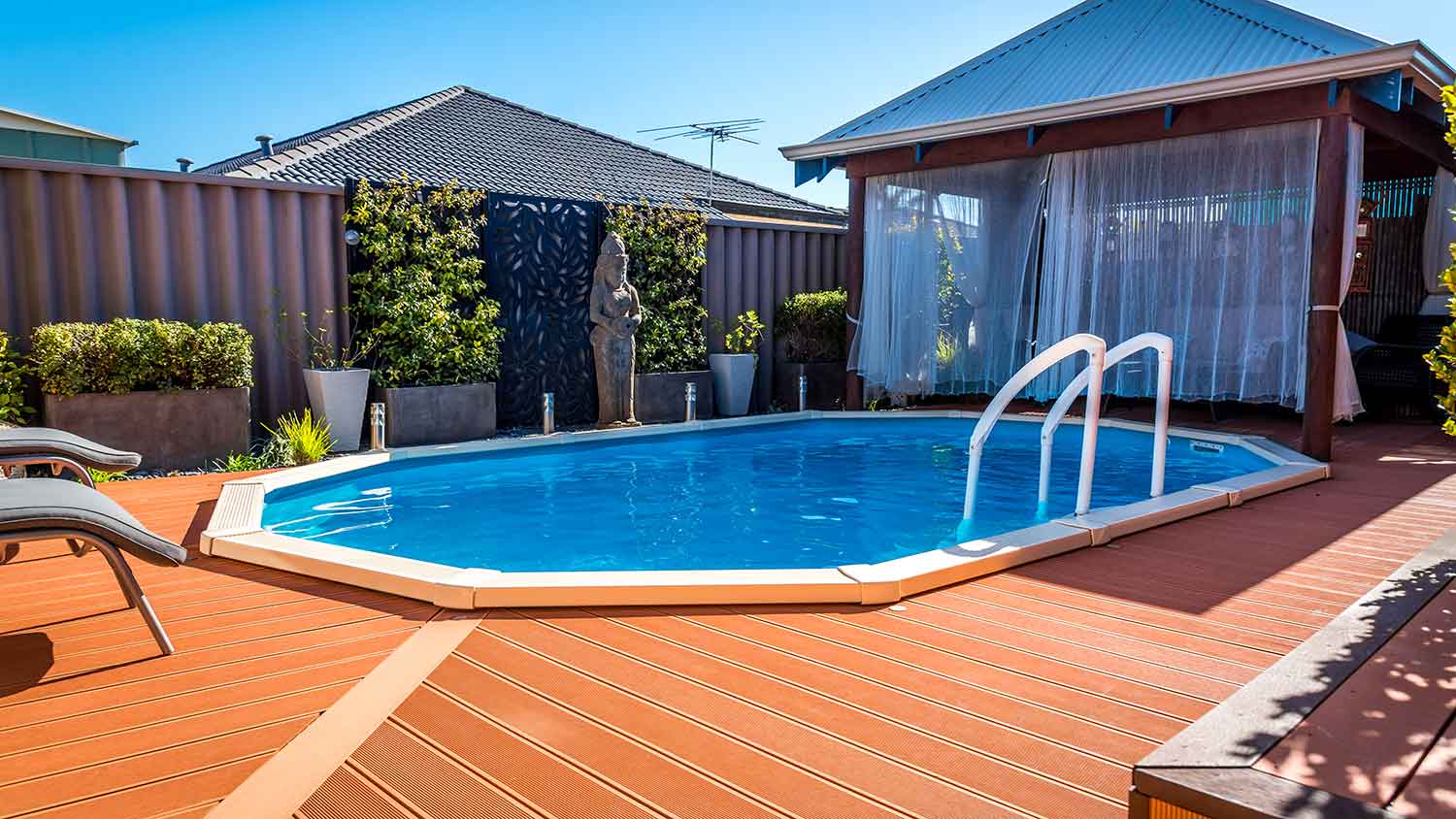
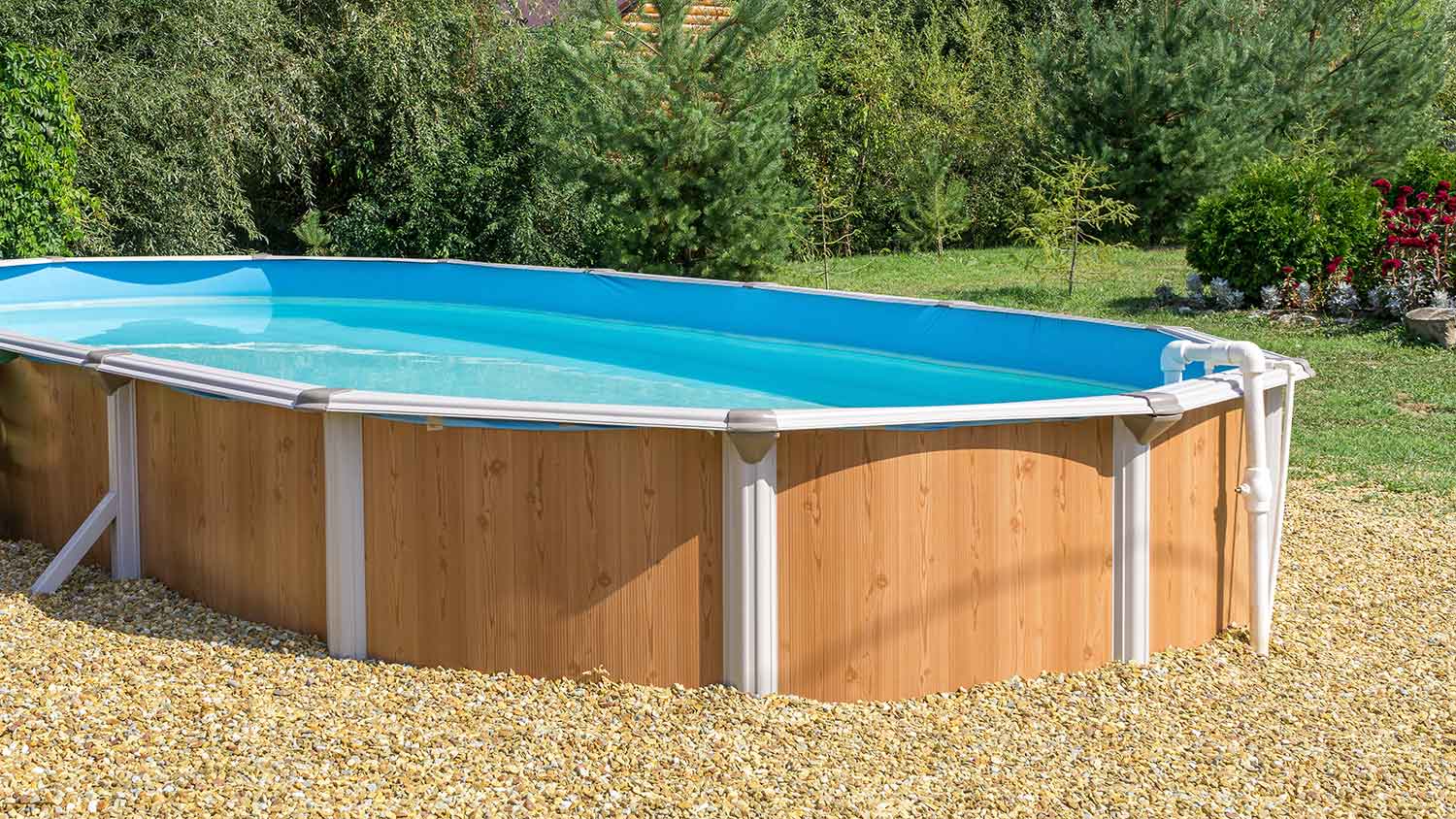
There are pros and cons of in-ground vs. above-ground pools, which you should consider when choosing the pool of your summertime dreams. Some factors to think about include:
Above-ground pools are semi-permanent and movable, whereas in-ground pools are permanent structures.
In-ground pools are more expensive to install than above-ground pools.
It takes one to three days to install above-ground pools and several weeks for an in-ground pool install.
You can install an above-ground pool in smaller yards, but you need plenty of space for an in-ground pool.
The Halls Crossing, UT homeowners’ guide to above ground pool installation services
From average costs to expert advice, get all the answers you need to get your job done.
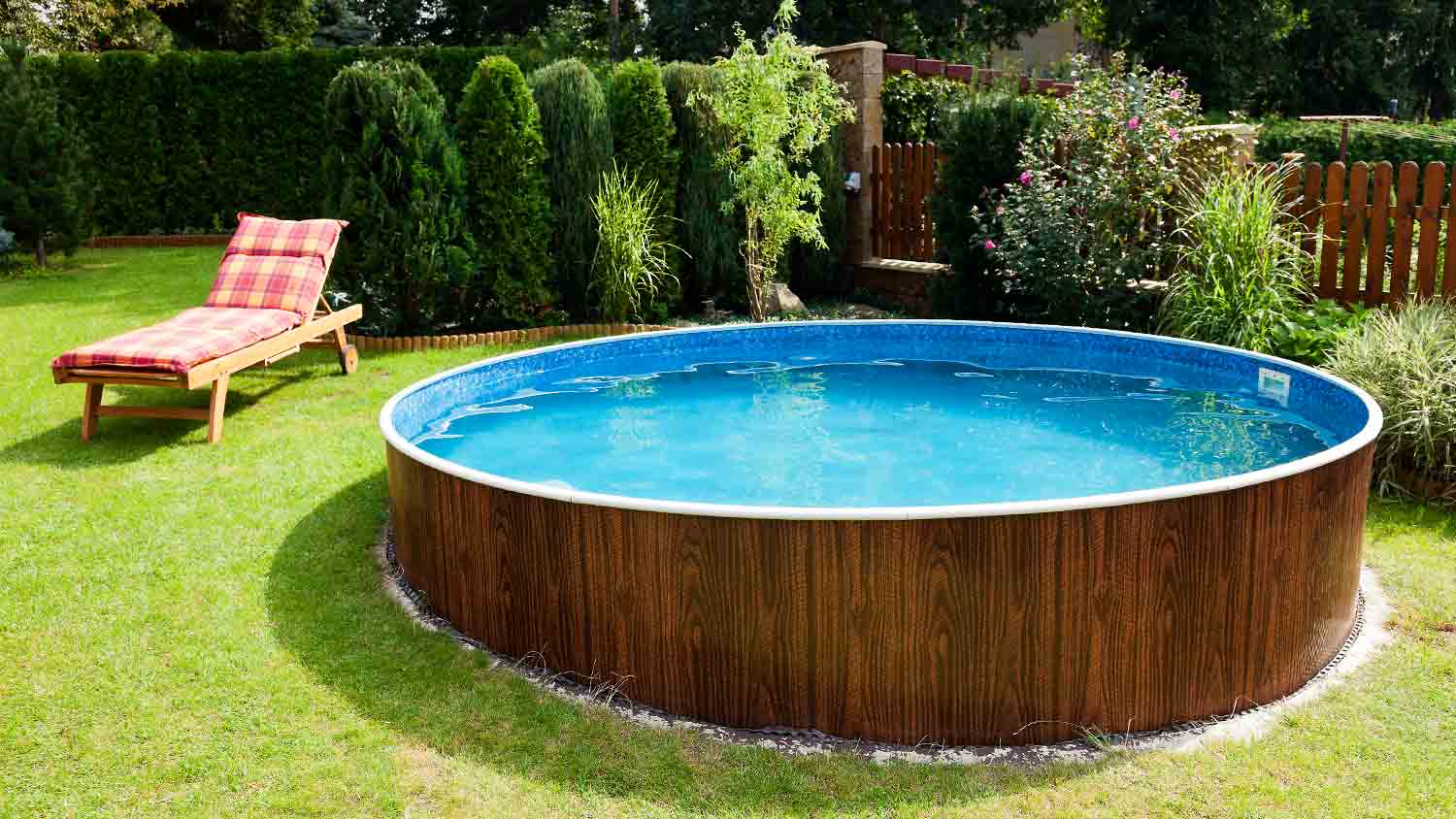
Above ground pools are more affordable than inground pools, so can you put an above ground pool in the ground to save money? Learn when it’s safe to do so.