"they made one awesome family room. I never had such a great time with a company before. they really take care if a customer and knows how to make a house a home."
Costs range from $500 to $1,500, depending on the size and condition of the area.
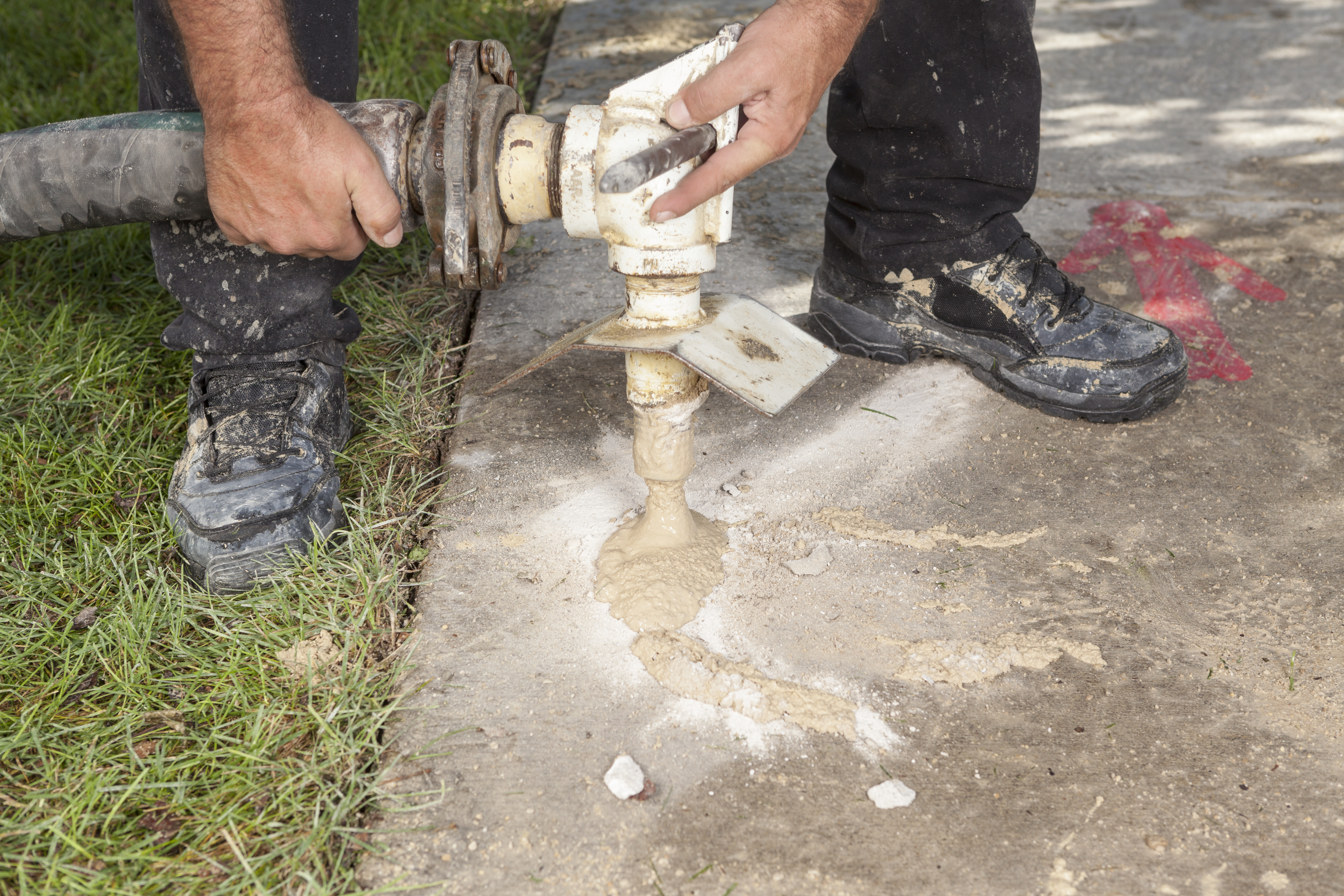
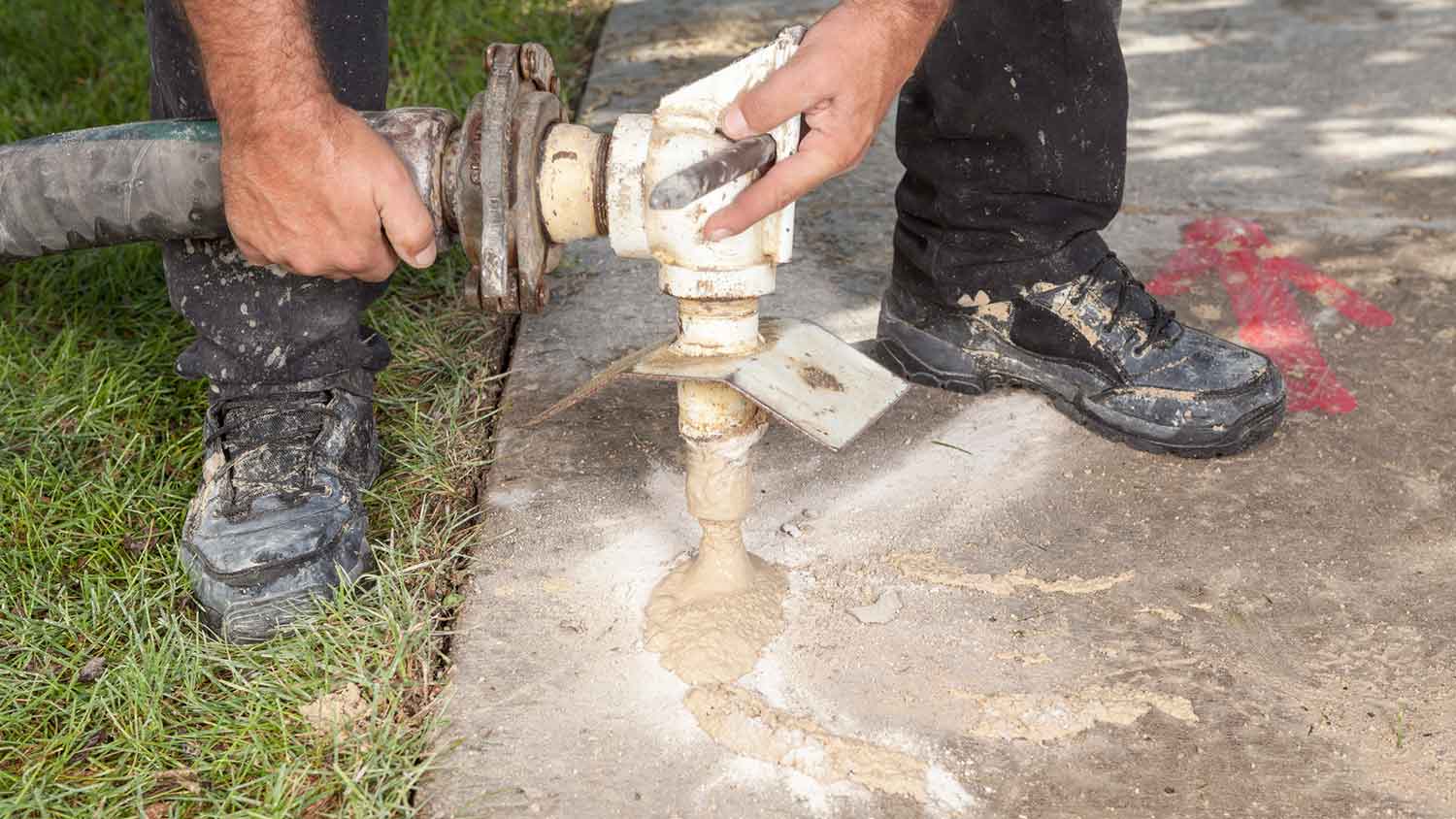
Mudjacking restores level surfaces, prevents further damage, and is more cost-effective than a full replacement.
The polyurethane used for polyjacking will expand and cure in 15 to 30 minutes. After that point, your slab will be safe to walk on and even drive on in the case of a sidewalk or concrete driveway. Double-check with your concrete lifting specialist to confirm a curing timeline, as products can differ.
Polyjacking can be a permanent solution to sunken concrete if you also address the underlying issue—like poor drainage—at the same time. The polyurethane material itself can last as long as or even outlast the concrete you’re lifting it with. Your sunken concrete issue will likely return if you don’t couple polyjacking with proper drainage to prevent future soil movement and sinking.
Mudjacking typically takes 24 to 72 hours (one to three days) to dry and cure completely before you can resume normal use. The exact time can vary depending on the size of the project. Because the slurry mixture contains cement, it must fully harden to ensure that added weight from walking, furniture, or vehicles won't shift the concrete slab. A professional contractor can advise you on when the surface is safe to use. For comparison, if you use polyjacking instead, the polyurethane foam can dry in just a few minutes, but it's best to wait about an hour before use.
The Halls Crossing, UT homeowners’ guide to concrete leveling services
From average costs to expert advice, get all the answers you need to get your job done.
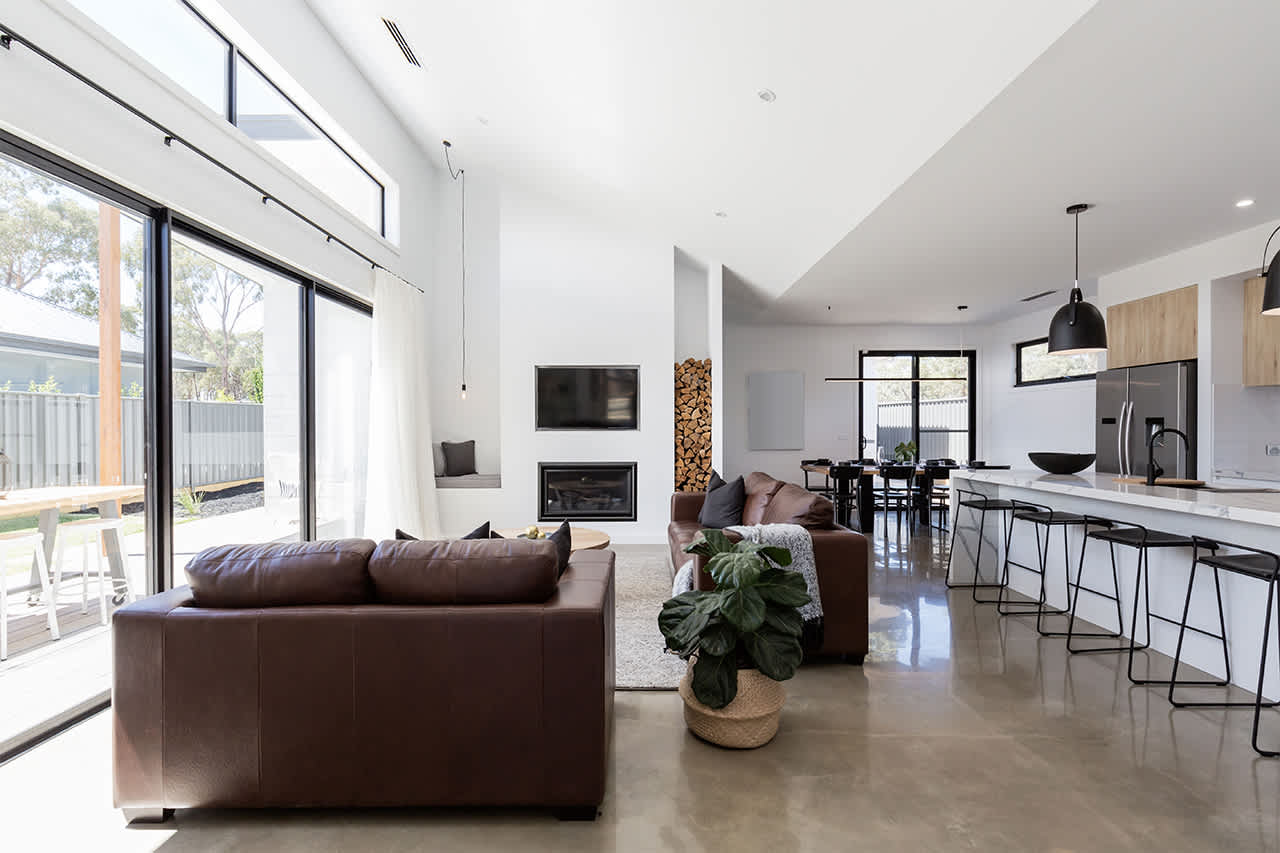
Polished concrete floor costs depend on the size of the area you’re targeting and the style of concrete floor. Our guide breaks down all the cost factors.
Learn about concrete leveling and how it can fix uneven surfaces, from sunken sidewalks to uneven driveways, and boost your home’s safety and curb appeal.