"they made one awesome family room. I never had such a great time with a company before. they really take care if a customer and knows how to make a house a home."
Concrete Mudjacking questions, answered by experts
Concrete leveling is not typically covered by insurance. In some cases where the shifting concrete is caused by a natural disaster or storm, you may be able to file an insurance claim if your policy specifically covers those circumstances. In most cases, though, you’ll pay out-of-pocket for concrete leveling.
Yes, expanding foam (also known as polyurethane foam) can lift concrete. This approach, called polyjacking, involves injecting the foam rather than concrete slurry to fill voids and raise the concrete slab back into place. It’s often faster and requires smaller drill holes than traditional mudjacking, though it may come at a higher cost. Some contractors also prefer polyjacking over mudjacking for more damaged and delicate slabs.
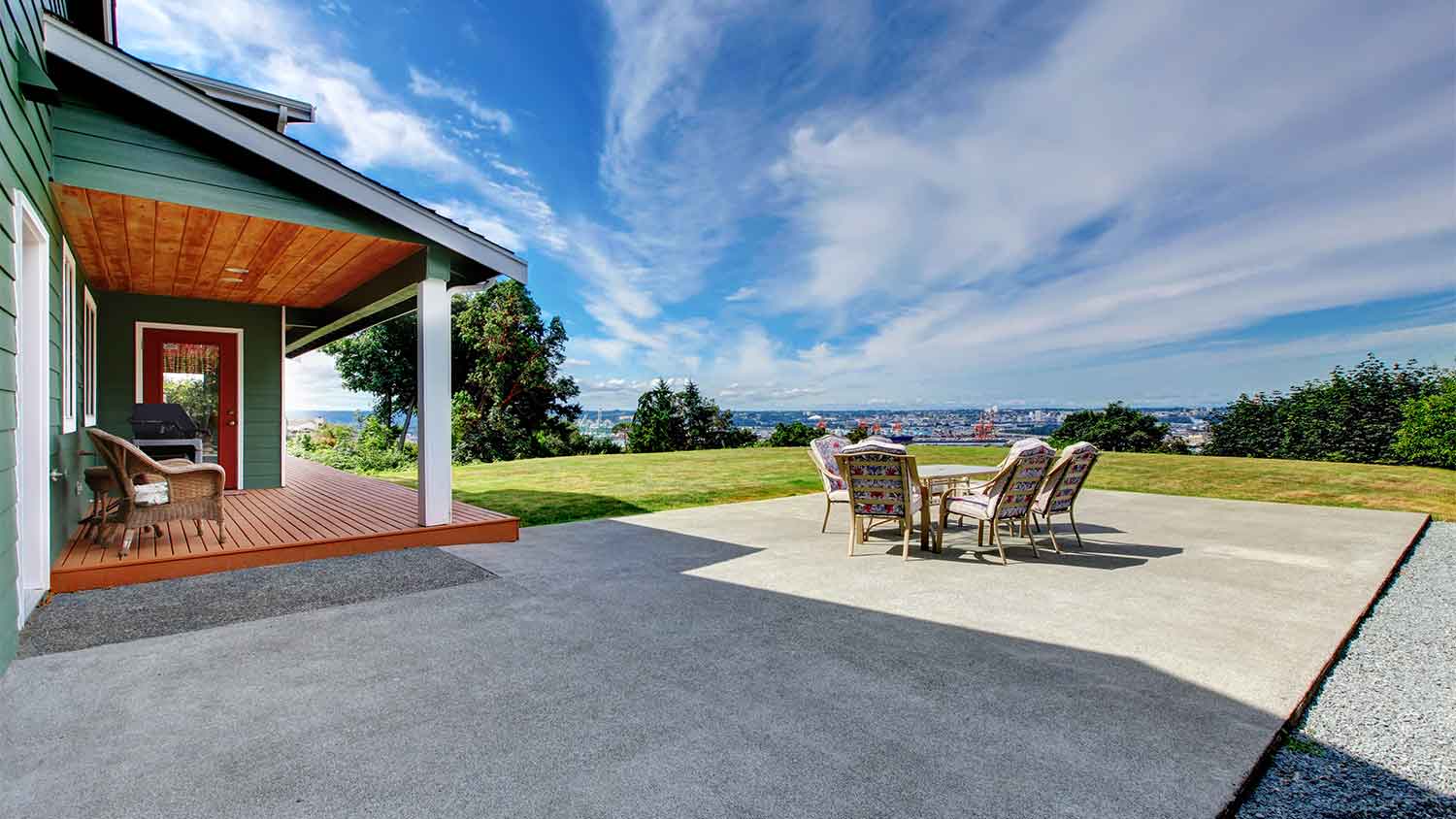
Mudjacking can be an expensive foundation repair process, but in many cases, it’s well worth the investment. This is especially true if you’re lifting a portion of sunken foundation slab back into place. In that case, mudjacking can help avoid major structural damage and even home collapse by restoring the integrity of your structure with minimally invasive procedures. Mudjacking a concrete patio, walkway, or sidewalk can be worthwhile because it removes tripping hazards and makes your outdoor area more aesthetically appealing.
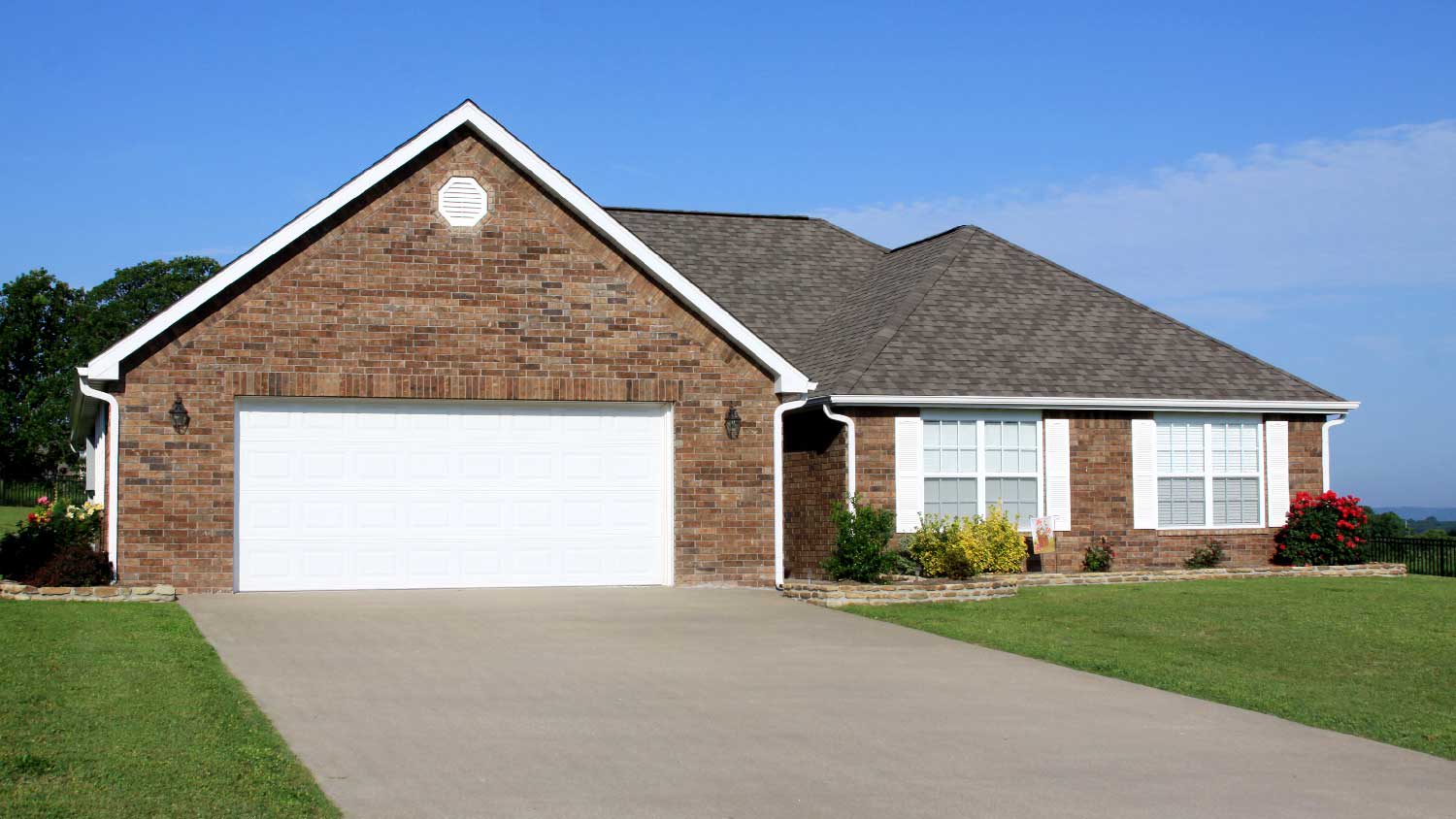
Mudjacking is usually reserved for light-duty slabs, like patios, driveways, and sidewalks. However, it can be an effective way to lift garage slabs and concrete around the perimeter of the home, which could harm your foundation if it’s not done properly. The risk of damage is why having a professional mudjacking company carry out the work is important. This type of slab or foundation repair is relatively inexpensive, especially if you consider that a DIY job requires that you pay to rent the necessary equipment.
Mudjacking typically takes 24 to 72 hours (one to three days) to dry and cure completely before you can resume normal use. The exact time can vary depending on the size of the project. Because the slurry mixture contains cement, it must fully harden to ensure that added weight from walking, furniture, or vehicles won't shift the concrete slab. A professional contractor can advise you on when the surface is safe to use. For comparison, if you use polyjacking instead, the polyurethane foam can dry in just a few minutes, but it's best to wait about an hour before use.
The Halls Crossing, UT homeowners’ guide to concrete mudjacking services
From average costs to expert advice, get all the answers you need to get your job done.
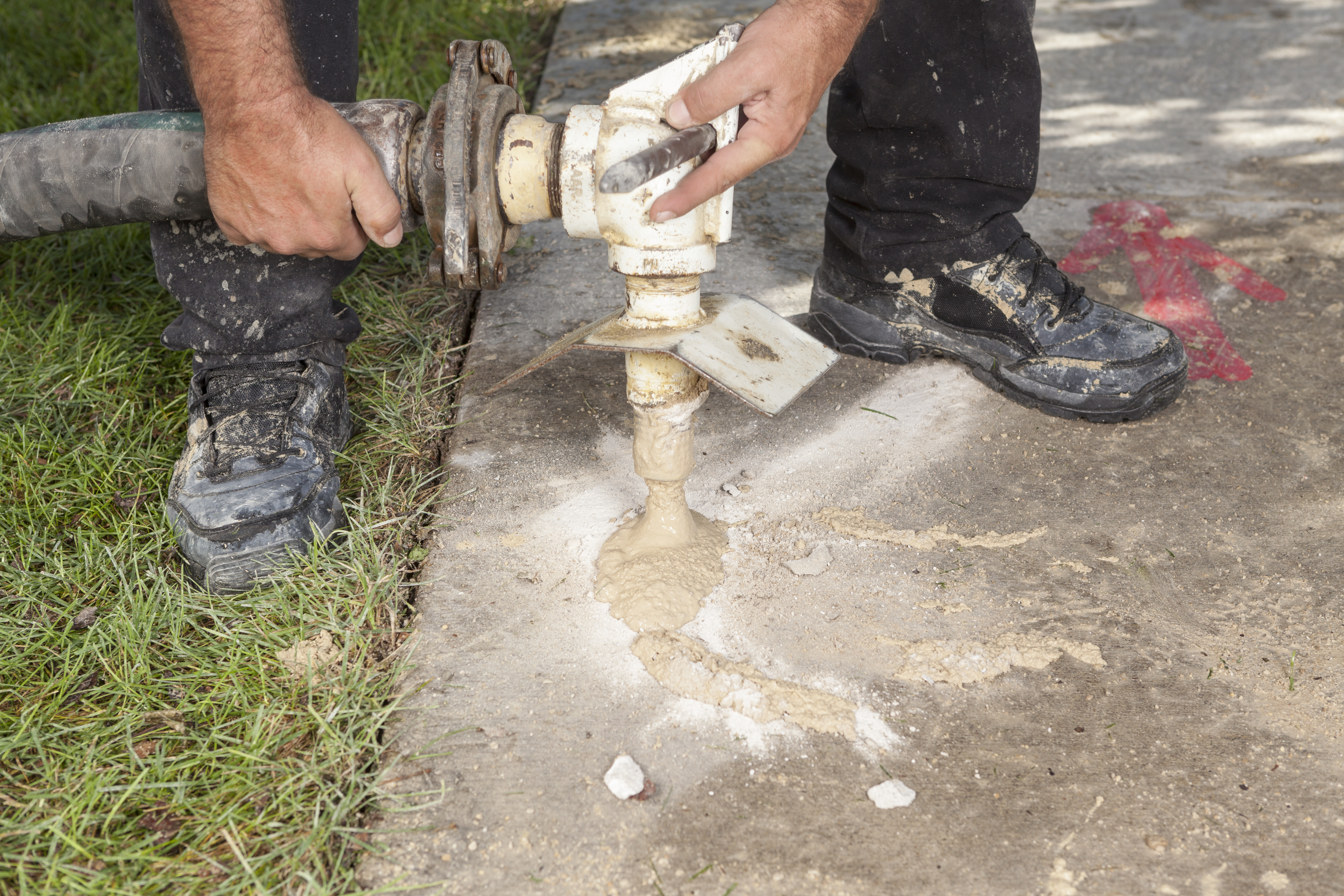
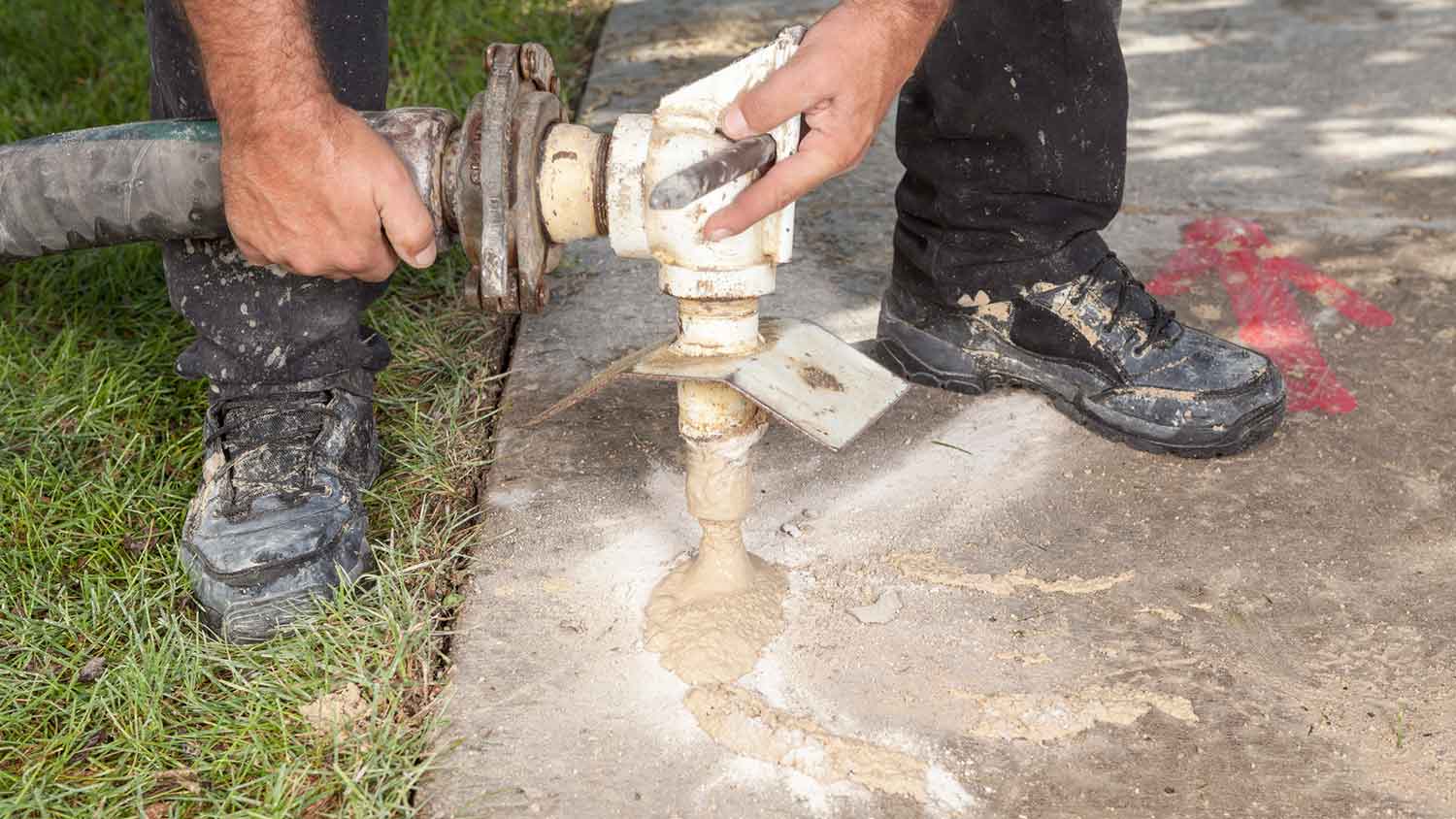
DIY mudjacking is an advanced task, but learning how to raise a concrete slab is great to know for many scenarios. Let's take a look at how to DIY mudjack.