





Top-rated lawn irrigation specialists.

Get matched with top lawn irrigation specialists in Erda, UT

Enter your zip and get matched with up to 5 pros

TRUSTED BY ERDA, UT HOMEOWNERS

  • Average homeowner rating star icon4
    Average homeowner rating
  • Verified reviews icon28
    Verified lawn irrigation services reviews

Find Lawn irrigation specialists in Erda

Avatar for Utah Valley Landscaping
Utah Valley Landscaping
4.9(
27
)

Serving Erda, UT and surrounding areas

Approved (Corporate)

Super Service Award Winner

In business since 2008

Free estimates

Warranties offered

"Alex ran this project as well and got help from Chris and his crew to zero scape my front yard. Rocks, 2 flower beds, and a long bush/tree bed. With some boulders. Its beautiful and no more yard work. They simultaneously did my driveway and my yard in 3 days 6 hours. It was so awesome! This company rocks it like no other."
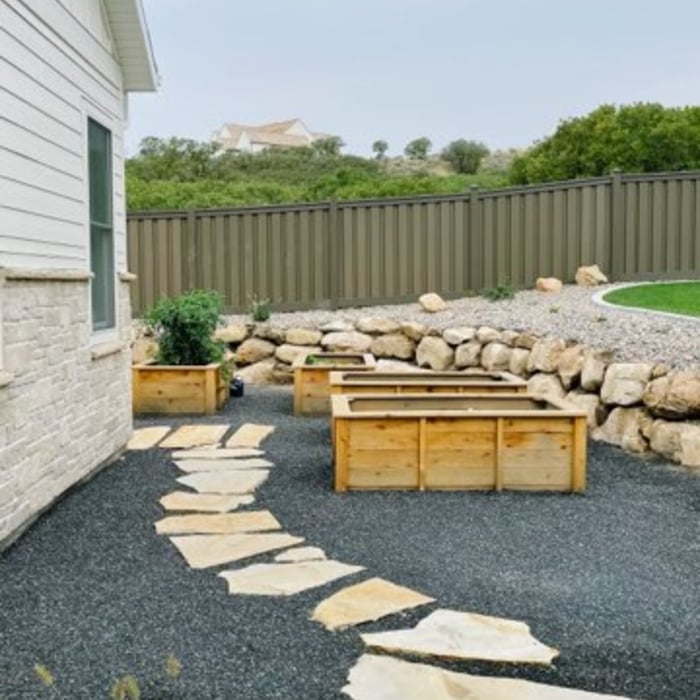
Front yard Landscape
Pool with Slide and waterfall
Backyard Landscape
Backyard Pool
Garden Area

+12

Response time1 day
Response rate98%
113 neighbors recently requested a quote
Avatar for Any Sprinkler Repair Co.
Any Sprinkler Repair Co.
5.0(
2
)

Serving Erda, UT and surrounding areas

Approved

In business since 2025

Emergency services offered

Warranties offered

We specialize in commercial and residential irrigation systems, including installations, specialized repairs, system upgrades, winterization, and timer updates, as well as repairs to metal, PVC, galvanized, brass, and copper piping.

Aposhian Turf Farms
3.9(
50
)

Serving Erda, UT and surrounding areas

Credit card accepted

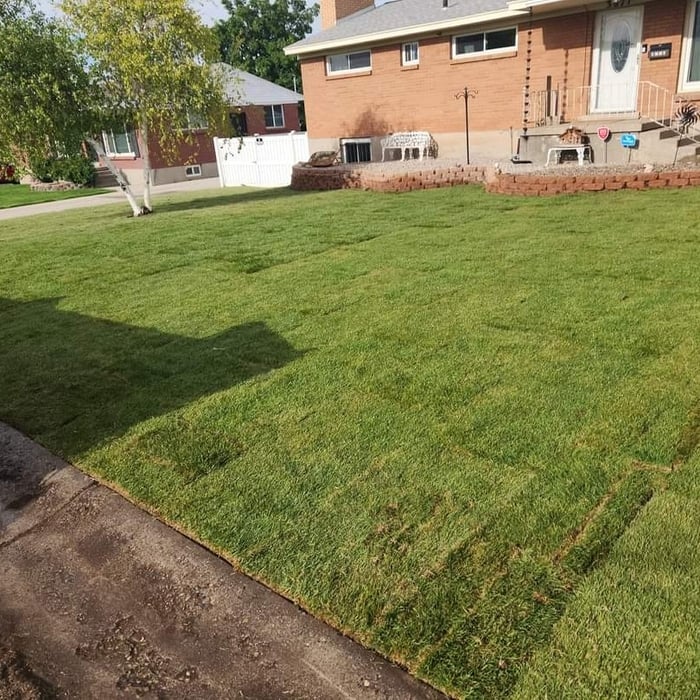
"This company removed our old, dead lawn.  It was great.
The brought in new sod and it was awful.  It was mismatched and looked like it was already brown and dying.
We called this company and discussed our concerns.  The responded with a crew that removed the sod and replaced it with the most beautiful sod you have ever seen.  Although the initial sod was not what they promised or what we expected, they made it right.  We have the most beautiful lawn on our street.  As with all contractors...stand your ground and make them deliver what they promise.  Don't settle.  The final word...I would use them again....and again....and again.  Mistakes happen and they are willing to make it right.
"
Recommended by91%of homeowners
...
Showing 1-10 of 59
Lawn Irrigation questions, answered by experts

Power seeding can be worth it if your existing lawn is looking sparse or patchy. Power seeding can quickly and effectively plant new grass seeds and help grow a thicker lawn. But if your lawn is in pretty good health but could use a little more TLC through dethatching, fertilizing, weeding, or aerating, you may not need to spend money on power seeding costs.

The best time to plant grass seed depends on your local climate and whether you have cool-season or warm-season grass.

For cool-season grasses (like tall fescue), the ideal time to seed is late summer or early fall (typically August and September). During this period, the soil is still warm from the summer, but the air is cooler, creating optimal conditions for germination and root establishment before winter. There is also less competition from weeds. Spring is a secondary option, but cooler soil temperatures, the risk of a late frost, and less time for the grass to mature before summer heat can make it less successful.

For warm-season grasses (like St. Augustine), the best time to plant is from late spring through mid-summer (typically May and June), when temperatures are consistently between 75 and 90 degrees Fahrenheit.

In general, it is best to avoid seeding during winter or early spring, as cold soil and air can prevent seeds from germinating. For recommendations tailored to your specific grass type and climate, consider consulting a local lawn care professional.

In general, cool-season grasses such as fescue grass, ryegrass, and Kentucky bluegrass are best for creating a striped lawn. Warm-season grasses like bermuda and zoysia grass don't curl as much, so grass stripes aren't as easy to see. If you live in a climate that’s better suited for warm-season grass, zoysia grass will typically be your best option.

Although these terms sound similar and are sometimes used interchangeably, overseeding and reseeding your lawn are very different processes. Overseeding, the simpler of the two, involves a few steps to restore thinned or patchy grass by raking, aerating, and seeding uneven areas of turf to promote regrowth.

Reseeding a lawn is a more drastic and involved process, often necessary if the lawn is diseased, more than a third dead, or very overgrown with weeds. Unlike overseeding, it requires removing most of the existing lawn and starting a new one from scratch, a much bigger and more time-consuming job.

If you throw grass seed on bare spots, some may sprout on the soil’s surface. However, the germination rate will diminish over time because the grass will not be rooted correctly. You may not get desired results if you toss grass seed on bare spots without proper lawn maintenance and cultivation.

The Erda, UT homeowners’ guide to lawn irrigation services

From average costs to expert advice, get all the answers you need to get your job done.