





Top-rated driveway sealcoating pros.

Get matched with top driveway sealcoating pros in Erda, UT

Enter your zip and get matched with up to 5 pros

Need a pro for your driveway sealcoating project in Erda, UT?

Select your specific project to find the pro for you.

TRUSTED BY ERDA, UT HOMEOWNERS

  • Average homeowner rating star icon4.6
    Average homeowner rating
  • Verified reviews icon82
    Verified driveway sealcoating reviews

Find Driveway sealcoating pros in Erda

Avatar for Spartan Construction and Asphalt
Spartan Construction and Asphalt
5.0(
1
)
Asphalt SealingAsphalt Sealing- For Business

Serving Erda, UT and surrounding areas

Approved

"We recently had Spartan Asphalt take care of crack sealing on our streets, and they did an awesome job. The crew was professional, showed up on time, worked hard, and paid attention to the details. Everything came out clean and looks great. It’s hard to find companies these days that actually care about the quality of their work, but Spartan definitely delivered. We’ll absolutely be using them again for future asphalt maintenance projects."
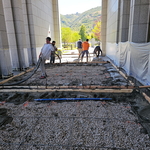
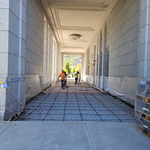
Concrete work - Temple
Asphalt
Asphalt

+1

5 neighbors recently requested a quote
Showing 1-10 of 33
Driveway Sealcoating questions, answered by experts

To maintain your asphalt driveway, add a new coat of sealant every three to five years. Pricing varies, but you will pay about $0.08 to $0.50 per square foot from start to finish. You can also choose to add a fill-and-seal layer that includes a layer of aggregate to fortify a damaged top layer of asphalt.

Though they may look similar, tar and bitumen come from different sources. Bitumen is a petroleum product—extracted during crude oil refining—and is mostly made up of hydrocarbons. Tar comes from burning down organic materials like coal or wood. Bitumen is strictly oil-based, while tar is a mix of compounds from natural sources. Both are used as binders in paving; however, bitumen is the standard for today’s asphalt. Tar use has mostly faded out of road construction.
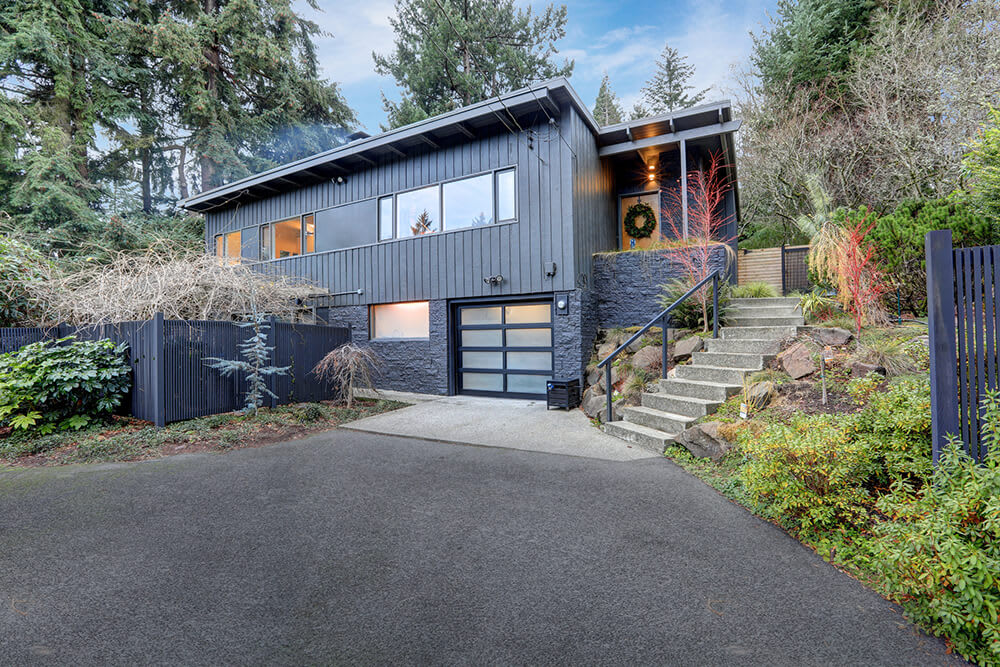
DIY sealants exist, but professional application ensures uniform coverage and long-term durability.

If your asphalt driveway shows cracks, potholes, or standing water, it’s likely time for a repair. Cracks, big or small, let water seep in, weakening the base and causing further damage. Potholes are a sign of this weakening process in action while standing water suggests your driveway has poor drainage, which can cause even more issues. You may also see warping or buckling—a sign of a compromised base layer—or sinking pavement. Spotting these signs early on can help you save yourself a bigger repair bill in the future.

Depending on the product used, you should avoid using your driveway for 48 to 72 hours after sealing it. In general, water-based driveway sealers cure much faster compared to oil-based and solvent-based sealers. Some driveways are even ready in just four to five hours.

The Erda, UT homeowners’ guide to driveway sealcoating

From average costs to expert advice, get all the answers you need to get your job done.