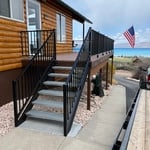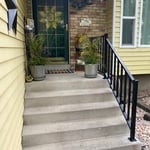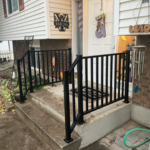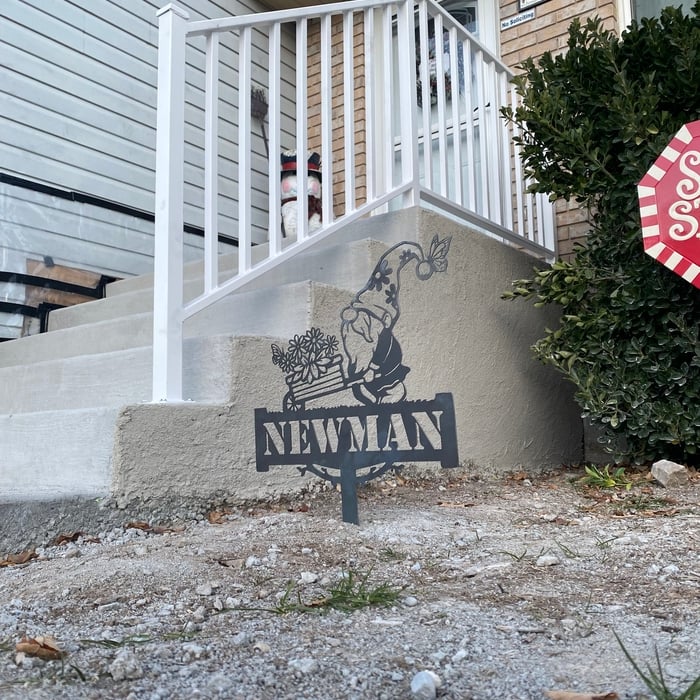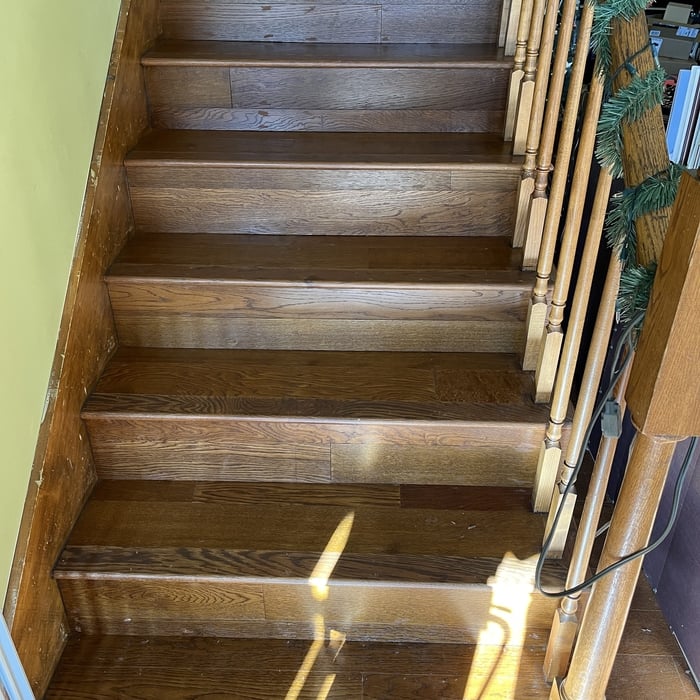






Top-rated stair railing installation pros.

Get matched with top stair railing installation pros in Cache Junction, UT

Enter your zip and get matched with up to 5 pros

Need a pro for your stair railing installation project in Cache Junction, UT?

Select your specific project to find the pro for you.

TRUSTED BY CACHE JUNCTION, UT HOMEOWNERS

  • Average homeowner rating star icon4.8
    Average homeowner rating
  • Verified reviews icon14
    Verified stair railing installation services reviews

Find Stair railing installation pros in Cache Junction

Avatar for DK Handyman Services LLC
DK Handyman Services LLC
5.0(
14
)
Wood Stairs and Railings - Install or ReplaceWood Stairs and Railings - Repair

Serving Cache Junction, UT and surrounding areas

In business since 2021

Free estimates

Credit card accepted

"They framed the outside wall of a carport and then installed they outside metal corrugated sheeting and did an excellent job. It looks terrific and keeps th snow off the equipment. They sent me photos during the construction and discussed the detail with me."
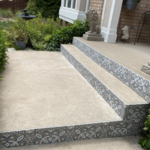
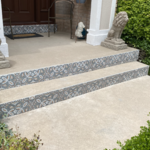
Stair Transformation

+122

Response time3 hrs
Response rate100%
Recommended by92%of homeowners
Avatar for Utah Railing Company
Utah Railing Company
5.0(
1
)
Metal Stairs and Railings - Install or Replace

Serving Cache Junction, UT and surrounding areas

In business since 2020

Free estimates

Credit card accepted

We are a locally owned and operated company that values honesty and integrity and treats your home as if it were our own. We offer a variety of General Contractor services that are customizable to each individual project. You will find us to be competitively priced, paying close attention to the details of each and every project that we are involved with. We look forward to building lasting relationships and guarantee your satisfaction!

Response time10 hrs
Recommended by100%of homeowners
Showing 1-10 of 34
Install Stair Railings questions, answered by experts

The proper and most comfortable height for a deck stair riser, also called a step, is between four and seven inches. A height of seven inches is often considered ideal for a strain-free step that minimizes the risk of trips and falls. While it is possible to have risers up to 12 inches, this height can be challenging for children, pets, or individuals with mobility issues. For optimal safety and comfort, pair a seven-inch riser with a tread depth (or run) of at least 10 to 12 inches. Always check your local building codes, as they may have specific requirements that differ from these general recommendations.

The short answer is that the cost to build a staircase largely depends on what material they’re made out of and how many you need. Wood stairs cost about $50 to $100 per step for materials alone, while labor costs an additional $100 to $250 per step. The cost increases for more expensive materials such as glass or concrete.

Yes, carpeted stairs are generally considered safer than stairs with hard surfaces like wood, vinyl, or tile. Carpet provides more traction and friction, which helps reduce the chances of slips and falls. Additionally, if a fall does occur, carpet offers more cushioning, which can lessen the severity of an injury. While hard surfaces can look great, they are often more slippery. However, it's worth noting that some carpets, especially if they are new, dirty, or have a slick texture, can also pose a slipping hazard. To improve safety on any type of stair surface, you can add traction treads to increase grip.

While they sound similar, handrails and guardrails serve different purposes. A handrail is the part of the railing you grip for balance and support while walking up or down stairs. A guardrail, on the other hand, is a safety barrier designed to prevent falls from elevated platforms such as balconies, decks, or stair landings. A single rail system may serve both functions in some staircases, but code requirements can differ for each.

The overhang, or nosing, of deck steps is another area that will be covered in building code requirements. The noses on your deck steps should have a minimum overhang of ¾ inch. For safety, usability, and code compliance, the nosing of deck steps should not extend past 1¼ inches.

The Cache Junction, UT homeowners’ guide to stair railing installation services

From average costs to expert advice, get all the answers you need to get your job done.