


Top-rated chimney inspectors.

Get matched with top chimney inspectors in Beaver, UT

Enter your zip and get matched with up to 5 pros

Need a pro for your chimney inspection project in Beaver, UT?

Select your specific project to find the pro for you.

Find Chimney inspectors in Beaver

Avatar for Frontpoint
Frontpoint
4.7(
8,819
)

Serving Beaver, UT and surrounding areas

In business since 2007

Free estimates

Emergency services offered

"It's a pretty decent system, I think. They send you the pieces and you install them yourself, which is pretty easy. The only real problem I have is that one sensor is too far away from the panel...or there's some interference, and they haven't been able to fix that. It's an interior door, so it's not the end of the world, just a little annoying. Their customer service is pretty good though. Nice, smart customer service people on the other end, very polite and helpful."
Recommended by93%of homeowners
Chimney Inspection questions, answered by experts

If the bay window extends beyond your existing roofline, you must add a roof or a small “skirt” to divert storm water and prevent water damage. The window roof can match your existing house roof, or be finished with copper or other decorative materials. Most bay windows have a roof with complete flashing regardless of their placement to prevent leaks into the home.

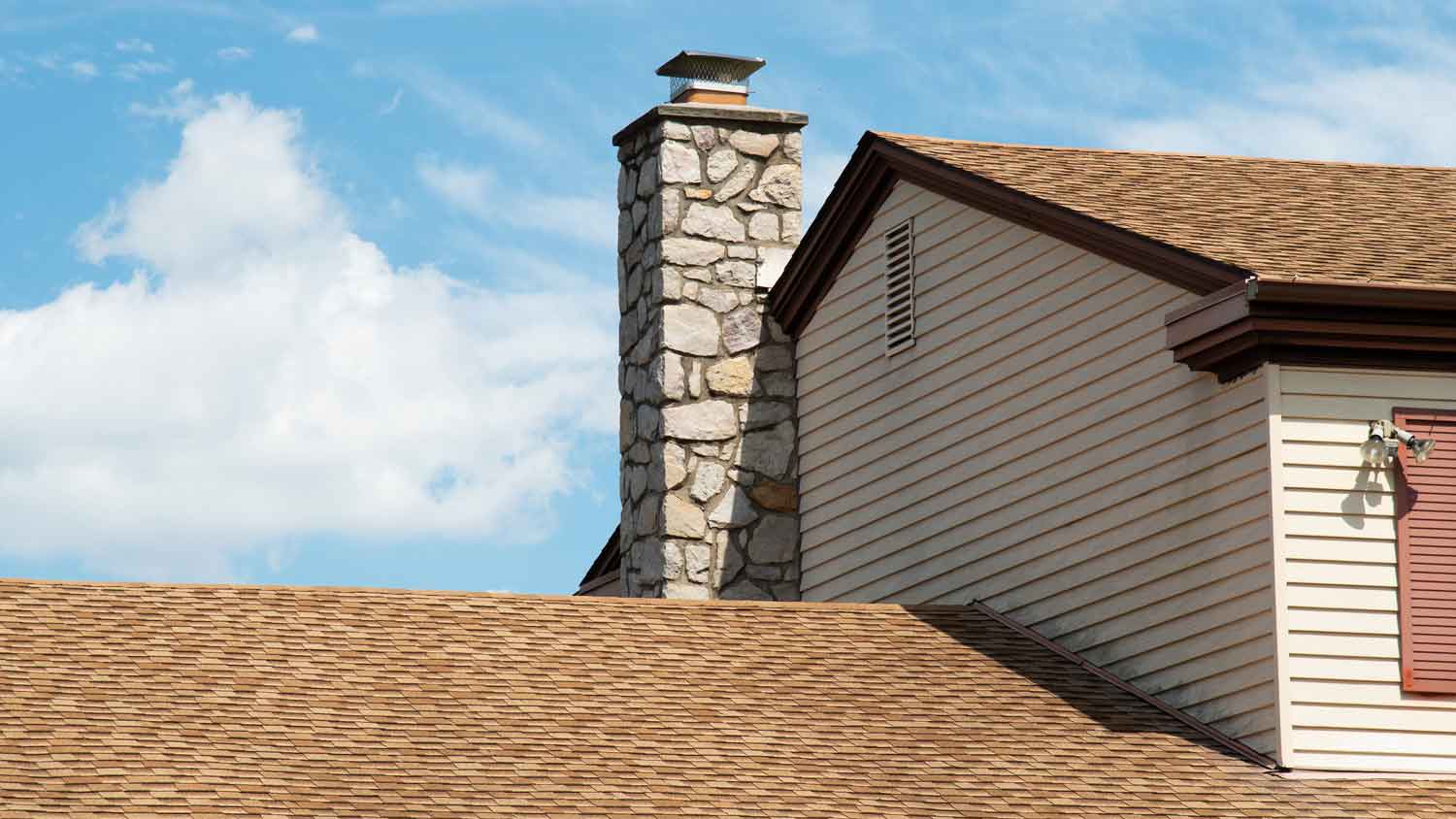
Properly installed chimney flashing can last anywhere from 15 to 50 years. However, flashing generally only needs to be replaced when it is damaged, corroded, or no longer creates a watertight seal. Several factors influence its longevity, including the material type, quality of installation, and local climate. For example, copper flashing tends to last longer than galvanized steel. Large storms and extreme weather can also damage flashing, potentially requiring earlier replacement. To ensure its longevity, it is recommended to have your chimney and roof inspected annually. A professional can assess the flashing's condition and recommend any necessary repairs.

You can start inspecting your roof from the ground by looking for unevenness in the roof lines and slopes. Keep an eye out for broken, damaged, or missing shingles, and look for visible gaps where the roofing material meets exterior walls or roof penetrations, like your chimney. If you’re comfortable getting up on your roof and using the necessary safety equipment, you can get a closer look at these areas to identify signs of damage. If you notice any potential issues, it’s best to call in a professional to confirm your findings.

Individual soft spots can often be repaired if they’re caught early enough and the damage isn’t extensive. If soft spots cover a large portion of the roof or the roof sheathing is in poor condition, you’ll probably need to replace your roof to preserve its structural integrity.

Roof vents are an essential part of a roof, as they promote energy efficiency by keeping warm, humid air at bay. The roofing material, especially asphalt shingles, will not last as long as it should (about half of its manufacture life) if the attic is not ventilated. Also, going without ventilation means having a warm attic that demands more from your air conditioning system (and your wallet, once the bills come). Ridge vents and roof vents also prevent a host of other icky moisture-related problems like rot, mold, and mildew.

The Beaver, UT homeowners’ guide to chimney inspection services

From average costs to expert advice, get all the answers you need to get your job done.