



Top-rated waste removal pros.

Get matched with top waste removal pros in Austin, UT

Enter your zip and get matched with up to 5 pros

Need a pro for your waste removal service project in Austin, UT?

Select your specific project to find the pro for you.

Find Waste removal pros in Austin

Nationwide Movers
5.0(
4
)
Building Materials RemovalHazardous Waste RemovalWaste, Junk, Building Materials and Debris - Remove and Haul+1 more

Serving Austin, UT and surrounding areas

In business since 2020

Free estimates

Credit card accepted

"Jon and his team helped us move from Las Vegas to Salt Lake. Very polite and reasonably priced. All of my items were wrapped and safely brought to our new place, which made settling in at our new place a breeze. Will definitely seek their services again in the future!!"
Additional Photos
Additional Photos
Recommended by100%of homeowners
Showing 1-10 of 17
Waste Removal Services questions, answered by experts

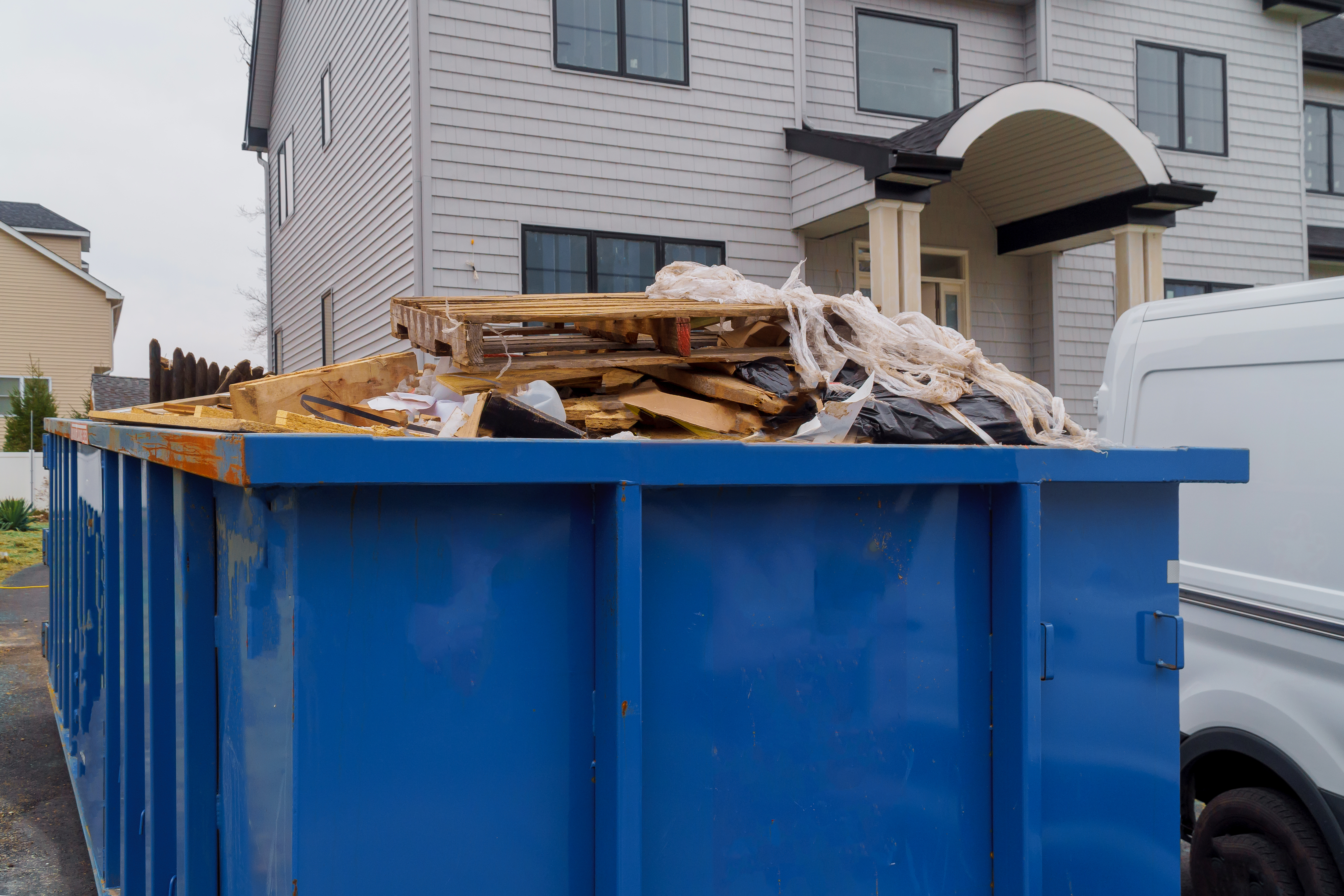
The cost-effectiveness of renting a dumpster versus hiring a junk removal company depends on the amount of junk you have. For a few individual items, junk removal is often cheaper, with average costs ranging from $140 to $380. However, for major cleanouts or large home improvement projects, renting a dumpster may be the more economical choice. Dumpster rentals cost an average of $300 to $480 per week. Junk removal companies typically charge based on how much space your items take up in their truck, so the cost can increase significantly if you have a large volume of debris.

There are several options for disposing of a water softener. First, you’ll need to empty it of any water, salt, and resin, which can be thrown away in the trash in doubled-up garbage bags. Then, check with your municipal waste management department, which may have guidelines or recommendations. You may be able to put the water softener out with your garbage, or you can often recycle it. Just be sure to follow any local regulations for pickups or drop-offs.

Some scrap yards may offer you money for water softeners that have metal parts, so consider calling local facilities for quotes.

Broken glass cannot usually be recycled. Most recycling programs state that glass must be intact in the form of bottles or jars in order to be recycled. You may be able to recycle broken glass at a drop-off recycling facility—contact the facility to see if they accept broken glass.

For concrete that’s under 3 inches thick, use a crowbar or a wrecking tool like a sledgehammer to pry the concrete, starting at the corners and working toward the center. You’ll need a jackhammer to break up concrete that’s over 3 inches thick. Do your homework if you use a jackhammer; you’ll need full protective gear that includes a hard hat, safety goggles, and steel-toed boots.

Pouring chemicals down the sink or toilet is a bad idea. In large amounts, they can damage plumbing and septic system. Tossing them in the trash can cause leaks, harmful fumes, and other problems, too.

Pouring chemicals onto the ground or nearby storm drains is also not recommended. Toxic chemicals can leak into nearby plants, lawns, or even water sources. It’s also illegal to pour out certain substances like used motor oil. Instead, schedule a trip to a local dropoff site for household hazardous wastes. Most local government websites can give you information on where to dispose of these substances.

The Austin, UT homeowners’ guide to waste removal services

From average costs to expert advice, get all the answers you need to get your job done.