We specialize in all phases of remodeling for your home, business, bathrooms, kitchens, finishing basements, and more! We are a one-stop design-build firm. We also have some financing options with no money down or interest for 24 months (Must Qualify).\n\nWe guarantee your satisfaction, and we won’t leave until the job is done right. \n\nWe pride ourselves on the quality work we provide, while delivering great customer service!\n\n\nCheck out all the services we offer below and call -or- click to schedule a free Design Consultation today!
Concrete Mudjacking questions, answered by experts
The timeframe is generally a few hours, allowing for immediate use post-hydration, ensuring minimal disruption to surrounding activities.
It’s best not to perform mudjacking in the winter unless the ground temperature remains above freezing. Freezing temperatures can cause the slurry to harden too quickly, compromising its strength and longevity. Concrete is also more susceptible to cracking and splitting in cold temperatures, so there’s a higher risk of damaging the slab during the drilling and lifting process in winter.
Concrete leveling is absolutely worth it if you have sunken concrete slabs and want to restore them to level, especially if the slab is part of your home foundation. Concrete leveling is less than half the price of replacing concrete sidewalks, patios, walkways, and pool decks, and it’s about a quarter of the cost of replacing a foundation. If you also treat the underlying problem, it can be a worthwhile and permanent solution.
A good slump height really depends on the project, but there is a use for nearly all slump levels. For example, low slumps are best in projects that require structure, such as curbs and roads. High slumps often require additional reinforcement, but they flow more freely into hard-to-reach spaces.
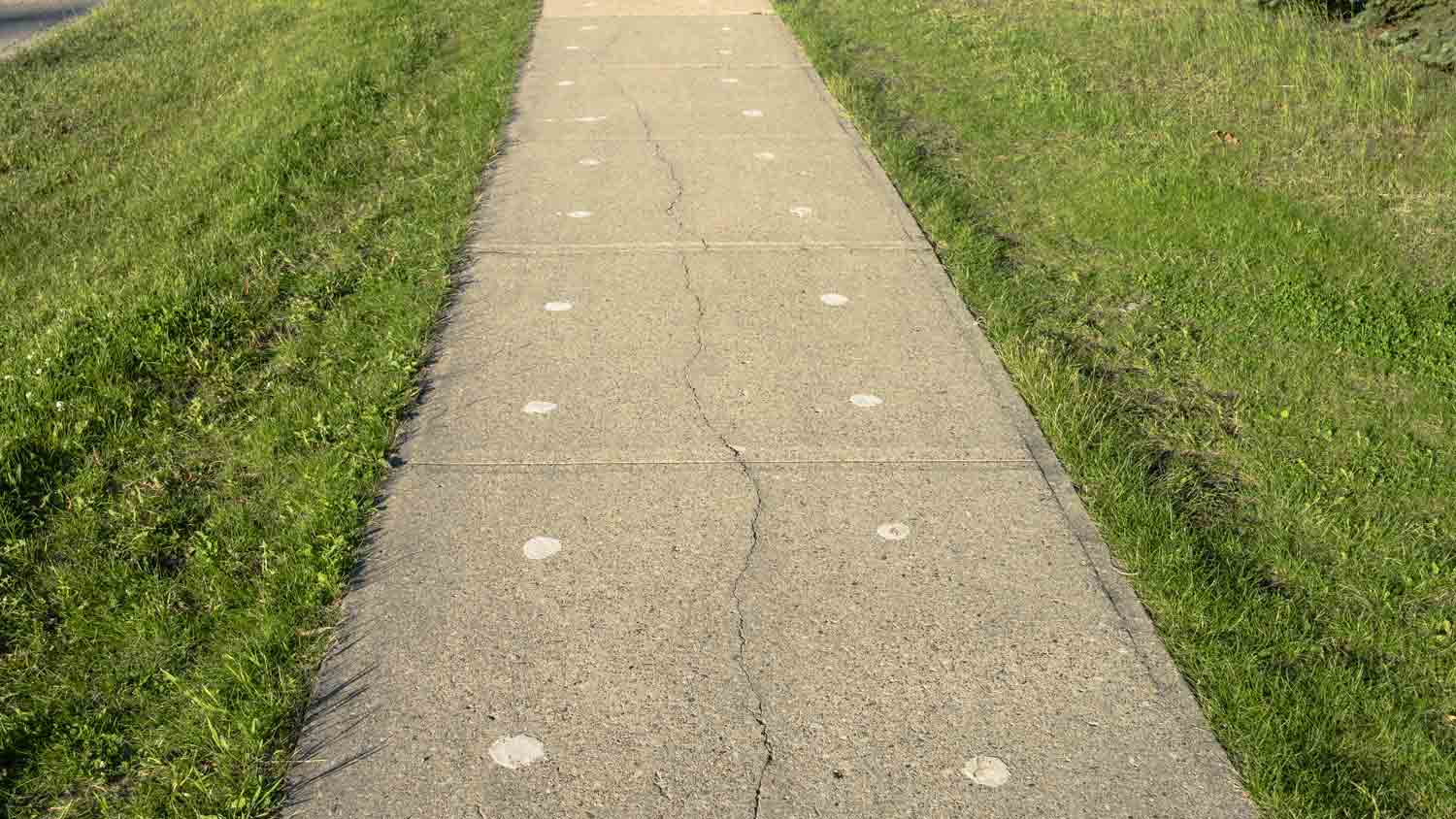
Common issues with concrete that may require professional repair or resurfacing include cracks, spalling, uneven surfaces, and weather damage.
The Aurora, UT homeowners’ guide to concrete mudjacking services
From average costs to expert advice, get all the answers you need to get your job done.
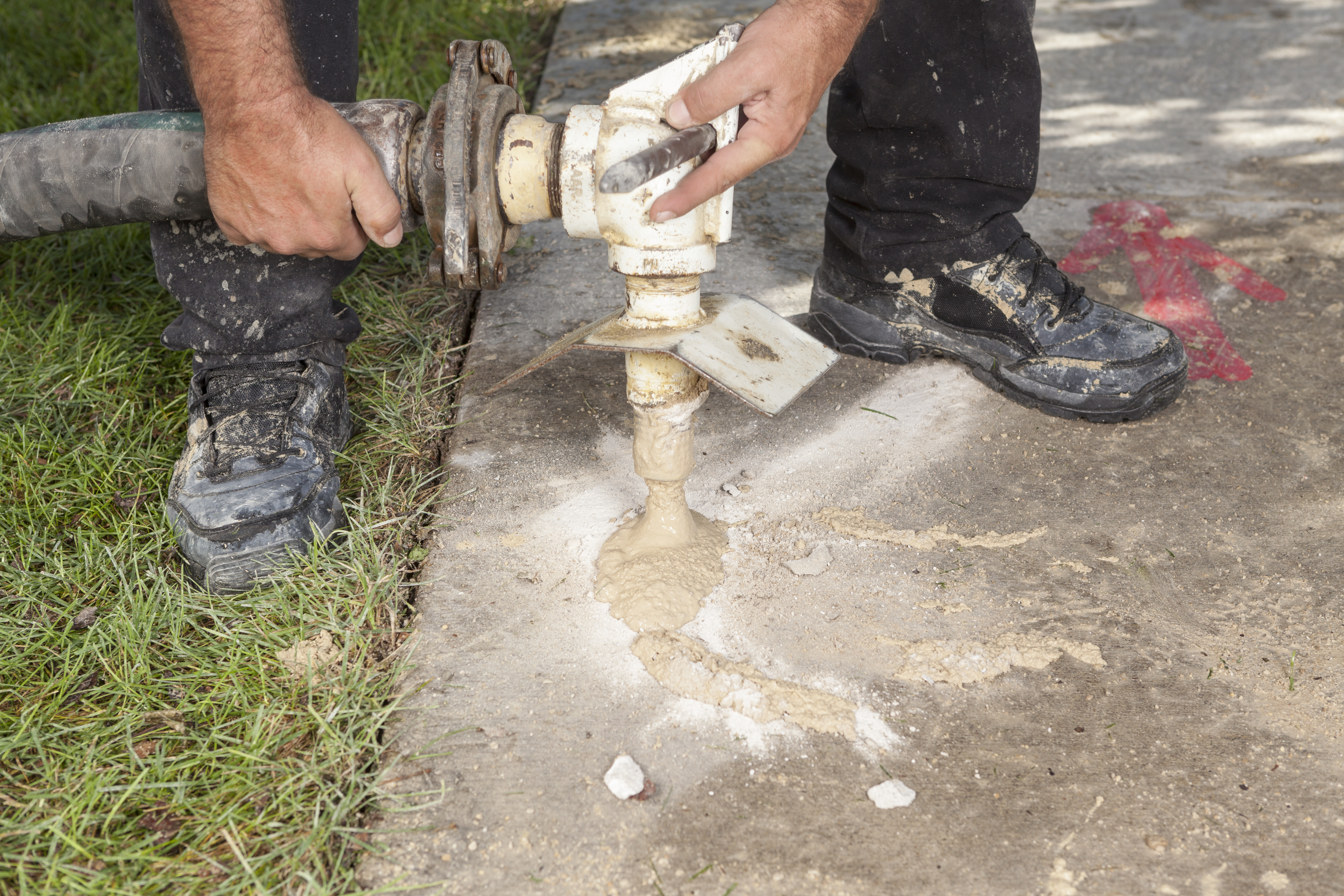
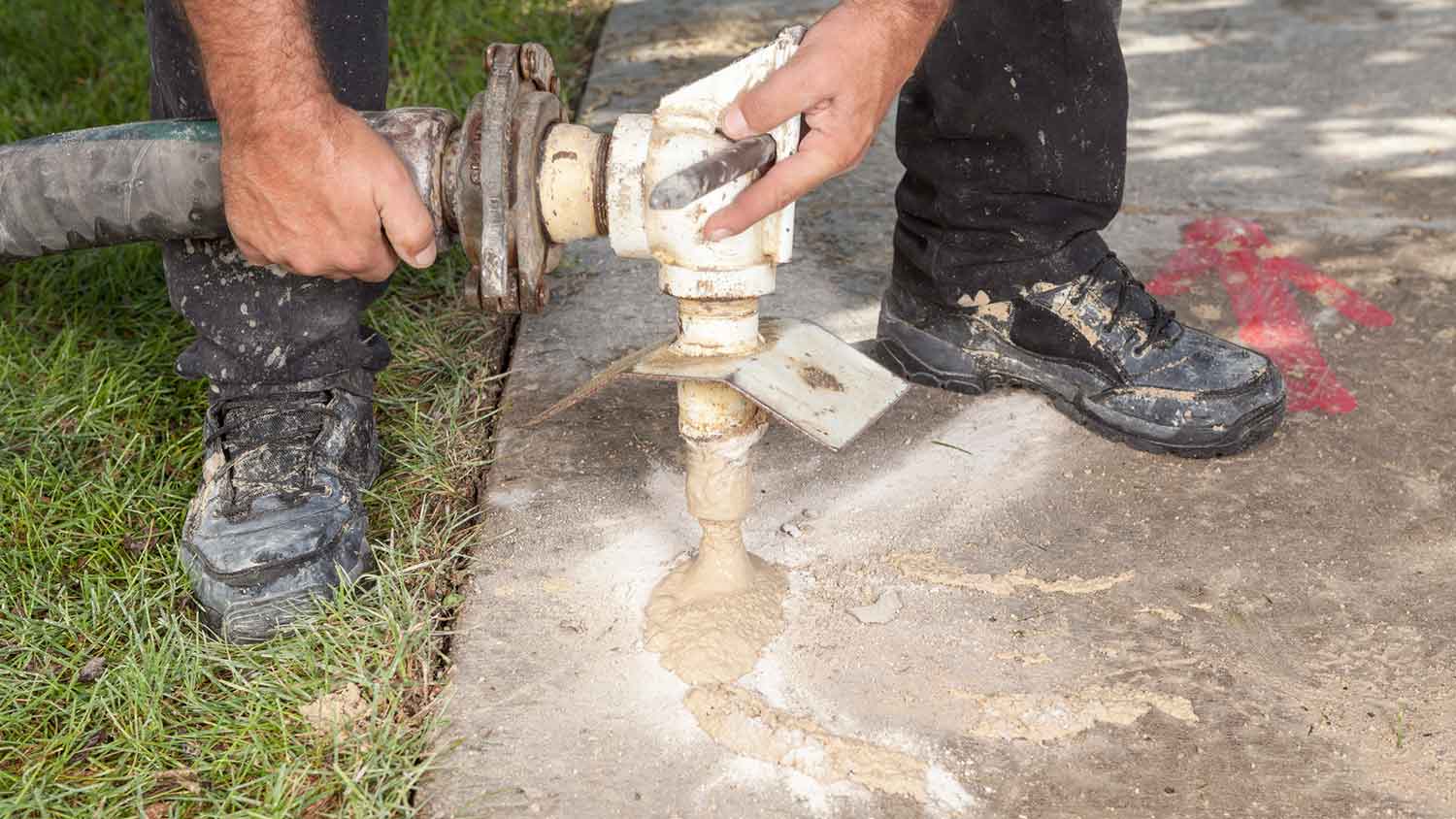
DIY mudjacking is an advanced task, but learning how to raise a concrete slab is great to know for many scenarios. Let's take a look at how to DIY mudjack.
Sunken concrete can be a structural issue, but a professional can easily repair it. Ask these concrete injection leveling and mudjacking questions before you hire.