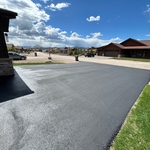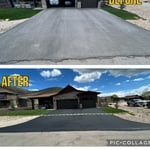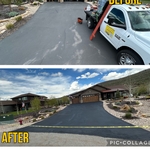


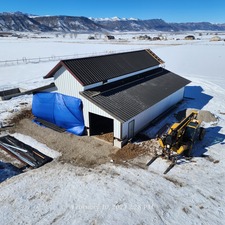


"We had Hunter and Pasi work on our patio concrete. The were professional, friendly, and fast. We were impressed with their work. They did a wonderful job."
Epiq Construction serves it's customers with pride, integrity and attention to the details that matter most to you, which clearly sets us apart from the rest. With over 25 years of proven experience, give us a call today!
Hi welcome to Nationwide asphalt we provide asphalt maintenance and\nseal coating services. we do parking lot re-striping,\nseal coating, slurry sealing, potholes, asphalt cracks, \npatch repairs, and more. we do not provide full driveway installs at this time\n\nwe will save you thousands of dollars on costly driveway replacements with\nout services give us a call or message us today!\n
We specialize in all phases of remodeling for your home, business, bathrooms, kitchens, finishing basements, and more! We are a one-stop design-build firm. We also have some financing options with no money down or interest for 24 months (Must Qualify).\n\nWe guarantee your satisfaction, and we won’t leave until the job is done right. \n\nWe pride ourselves on the quality work we provide, while delivering great customer service!\n\n\nCheck out all the services we offer below and call -or- click to schedule a free Design Consultation today!
Concrete Mudjacking questions, answered by experts
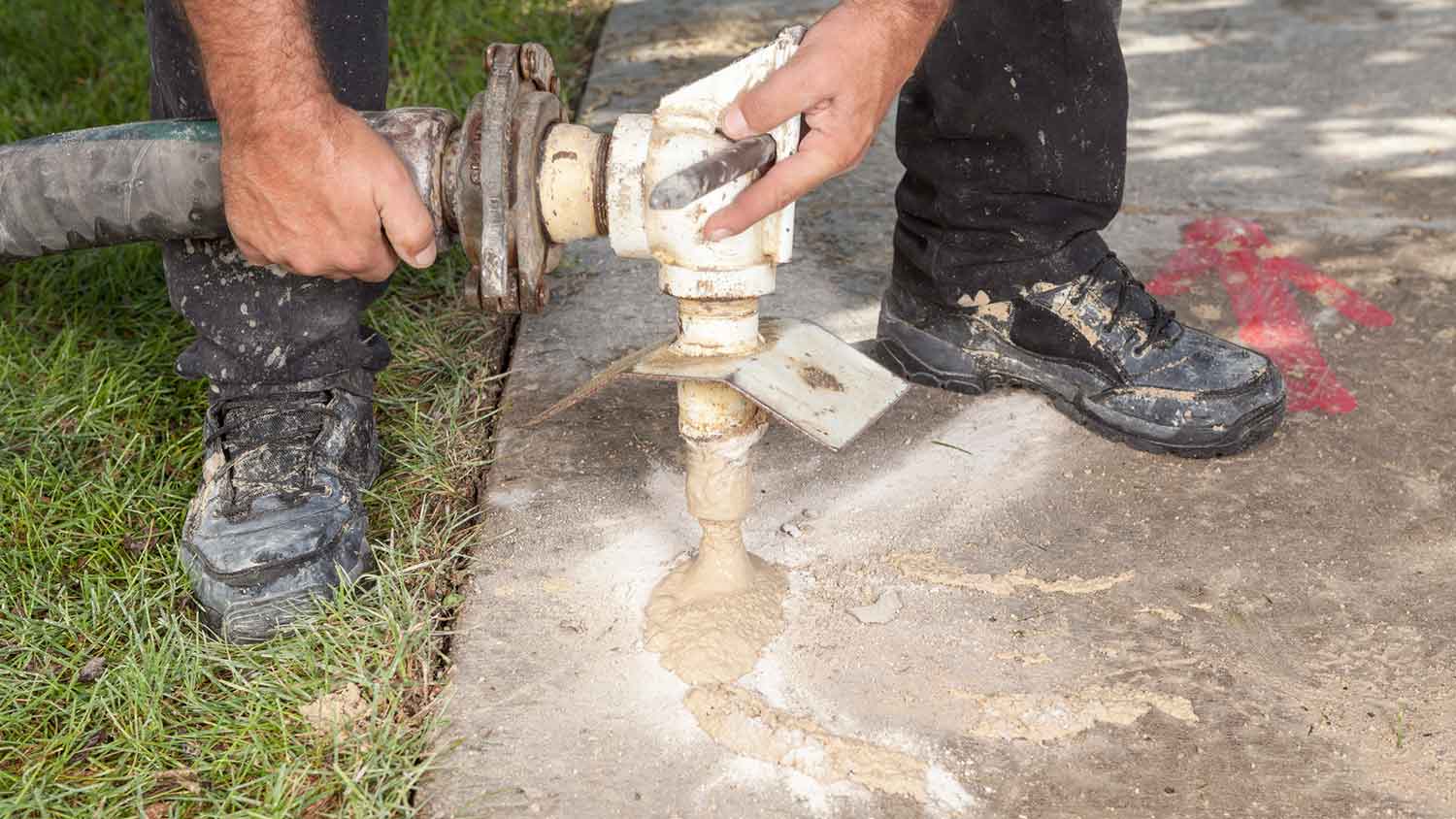
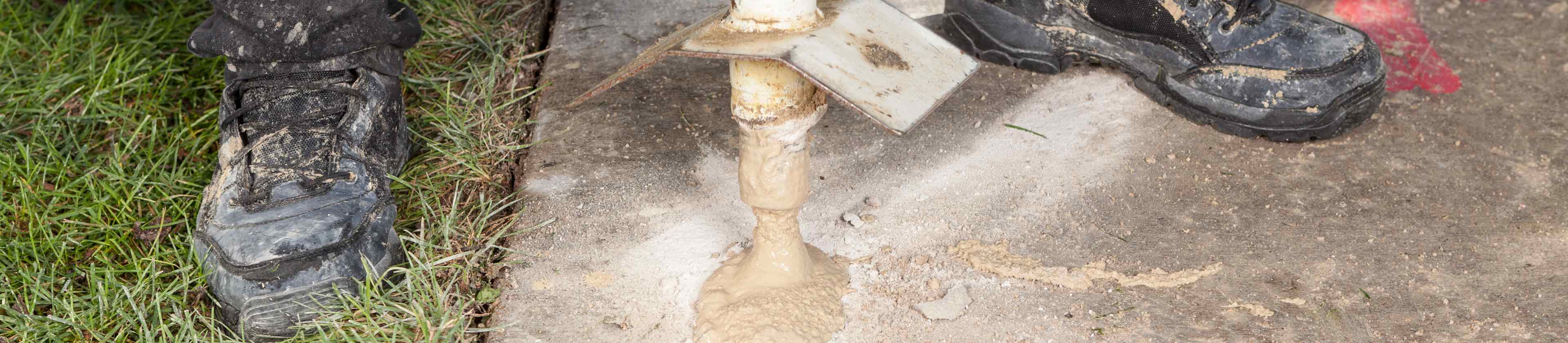
Mudjacking typically takes 24 to 72 hours (one to three days) to dry and cure completely before you can resume normal use. The exact time can vary depending on the size of the project. Because the slurry mixture contains cement, it must fully harden to ensure that added weight from walking, furniture, or vehicles won't shift the concrete slab. A professional contractor can advise you on when the surface is safe to use. For comparison, if you use polyjacking instead, the polyurethane foam can dry in just a few minutes, but it's best to wait about an hour before use.
Polyjacking and mudjacking can both be effective solutions for sinking concrete, but they have key differences. Polyjacking, which uses expanding polyurethane foam, is often considered a better option because the foam is significantly lighter than the cementitious material used for mudjacking. This reduced weight puts less pressure on the underlying soil and lowers the risk of future sinking. Polyjacking is suitable for any sinking concrete slab, while mudjacking is typically only recommended for non-structural concrete, such as sidewalks, patios, pool decks, and driveways. The primary drawback of polyjacking is its cost, which can be up to four times higher than mudjacking—as much as $25 per square foot compared to a maximum of about $6 per square foot for mudjacking.
A sinking foundation can be lifted, most often by installing piers to re-level and support the weight of the house. Depending on the cause and extent of the sinking, other methods to lift a foundation include underpinning and mudjacking. Consult a foundation repair pro to determine the best way to lift your sinking foundation.
Common issues with concrete that may require professional repair or resurfacing include cracks, spalling, uneven surfaces, and weather damage.
Concrete leveling is absolutely worth it if you have sunken concrete slabs and want to restore them to level, especially if the slab is part of your home foundation. Concrete leveling is less than half the price of replacing concrete sidewalks, patios, walkways, and pool decks, and it’s about a quarter of the cost of replacing a foundation. If you also treat the underlying problem, it can be a worthwhile and permanent solution.
The Manti, UT homeowners’ guide to concrete mudjacking services
From average costs to expert advice, get all the answers you need to get your job done.
DIY mudjacking is an advanced task, but learning how to raise a concrete slab is great to know for many scenarios. Let's take a look at how to DIY mudjack.
Sunken concrete can be a structural issue, but a professional can easily repair it. Ask these concrete injection leveling and mudjacking questions before you hire.