




Top-rated foundation drain installation pros.

Get matched with top foundation drain installation pros in Apple Valley, UT

Enter your zip and get matched with up to 5 pros

Need a pro for your foundation drain installation project in Apple Valley, UT?

Select your specific project to find the pro for you.

TRUSTED BY APPLE VALLEY, UT HOMEOWNERS

  • Average homeowner rating star icon4.5
    Average homeowner rating
  • Verified reviews icon174
    Verified foundation drain installation services reviews

Find Foundation drain installation pros in Apple Valley

Avatar for Element Plumbing, Heating and Air
Element Plumbing, Heating and Air
4.7(
9
)
Sump Pump or Interior Foundation Drains - Install

Serving Apple Valley, UT and surrounding areas

Approved (Corporate)

In business since 2024

Free estimates

Emergency services offered

"They did everuthing we wanted and probably more. Quick and clean, interacted with us very well. Others had told us the water would be off for all day but they had it off for maybe 2 hours. Dustin and Drew I feel were outstanding"
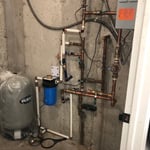
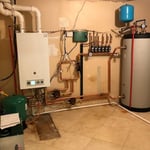
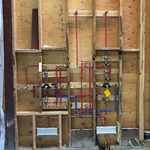
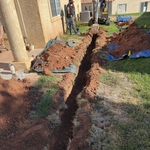
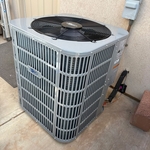
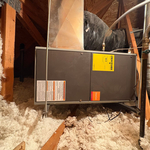
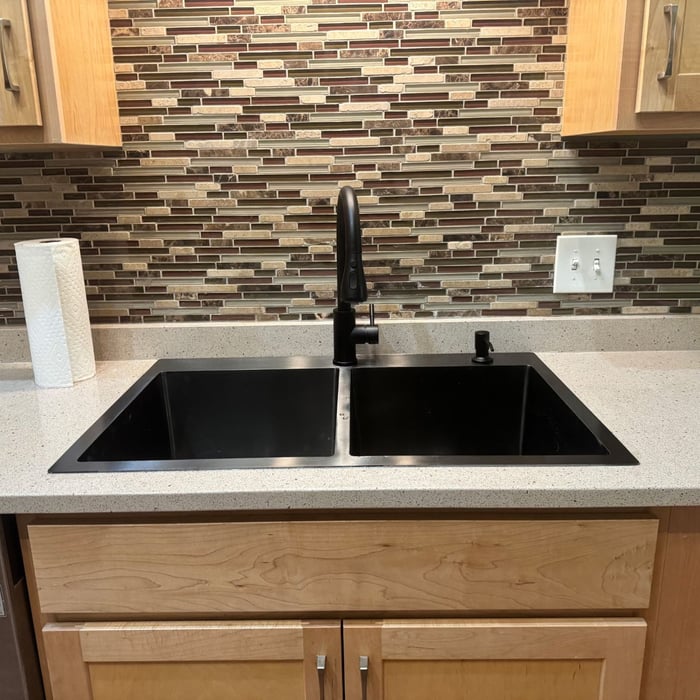
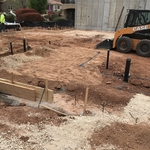
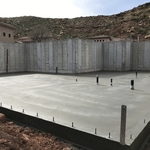
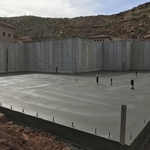
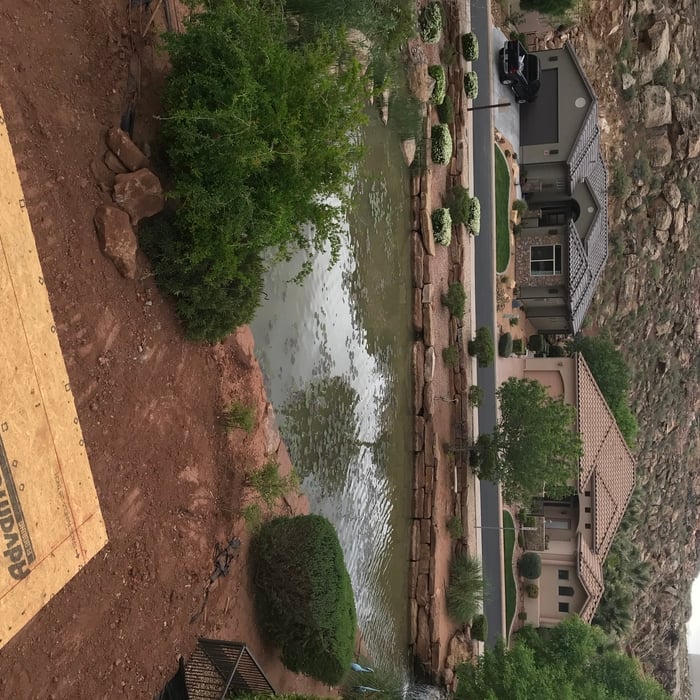
Additional Photos
Additional Photos
Additional Photos
Additional Photos
Additional Photos

+9

Response time2 days
Response rate100%
8 neighbors recently requested a quote
...
Showing 1-10 of 74
Foundation Drain Installation questions, answered by experts

The best basement waterproofing method depends on the specific issue causing the water intrusion. For minor problems, simple solutions like installing a properly functioning gutter system to direct runoff away and grading the soil to slope away from your foundation can be effective.

If you have more significant water problems, the solution will need to be more robust:

  • For standing water on the basement floor, a floor drain or a sump pump system may be the best solution.

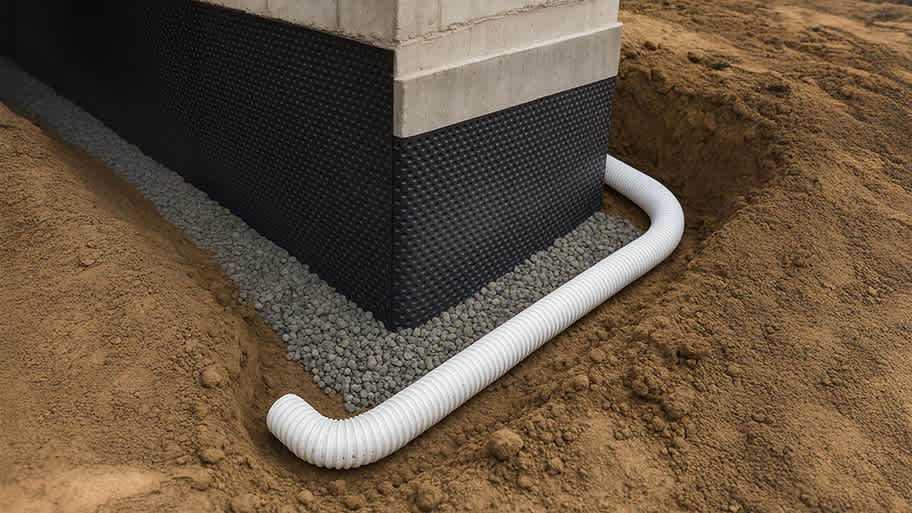
  • For water pooling around the foundation, installing an exterior French drain can intercept water before it reaches the basement walls.

Other effective waterproofing methods, which can be used depending on your home's specific needs, climate, and soil type, include sealing the interior walls, landscape alteration, installing interior drainage systems, and using a dehumidification system to control moisture levels.

A sewage ejector pump is necessary if you have any plumbing fixtures, such as a bathroom, laundry room, or sink, located below the level of your home's main sewer line. Standard plumbing relies on gravity to drain wastewater and solid waste into the municipal sewer system or a septic tank. For fixtures below this level, like those in a basement, gravity cannot move the waste upward. The ejector pump provides the force needed to pump the sewage up to the main line. Without one, wastewater from below-ground fixtures would back up, potentially causing a sewage overflow and flooding. If all of your plumbing is on the main floor or higher, gravity is sufficient and an ejector pump is not needed.

A sump pump's lifespan is typically 7 to 10 years, though the general range can be anywhere from 5 to 15 years. The specific type of pump is a major factor: pedestal sump pumps last an average of 20 to 25 years, whereas submersible sump pumps last between 5 and 15 years. While pedestal pumps are less expensive to service, they are also louder and more prone to clogging.

Several other factors influence longevity, including the pump's quality, usage frequency, and maintenance schedule. A high-quality pump that is well-maintained in a dry climate may last for two decades, while a lower-quality, poorly maintained pump in an area with a high water table or frequent flooding may fail in six years or less.

Regular maintenance, including annual inspections and tuneups from a professional, can significantly extend the pump's life. It is time to consider a replacement if your sump pump runs constantly, cycles frequently, shows visible rust or corrosion, or trips a circuit breaker. As a preventative measure, many homeowners replace their pumps every eight years. It's also worth noting that a manufacturer's warranty can indicate expected lifespan, and some home insurance policies may not cover water damage from a pump that is past its recommended replacement date.

Whether to waterproof your basement from the interior or exterior depends on several factors, including your budget.

Exterior waterproofing is generally considered the superior method because it stops water at the source, preventing it from seeping into and damaging your basement walls. This approach offers the most protection, making it ideal if you use your basement for storage.
By contrast, interior waterproofing is often less expensive and requires less labor because the area is more accessible.

For maximum protection against water leakage and moisture, applying waterproofing measures to both the inside and outside is the best solution. However, if you must choose only one, stopping water from the outside is the most effective approach to preserve your foundation and prevent damage.

It depends on what caused your basement flooding, the extent of the problem, and the risk of the flood continuing. If your flood is coming from a septic system or sewer line, breathing in the sewer gasses can be dangerous, so you should vacate. If the flood occurs from an ongoing natural disaster, relocating to a safe area might be wise. If you just have a plumbing leak or rainwater coming in, you can likely stay in the house if you don’t have electrical lines down there, but make sure you call in professionals to fix the issue immediately.
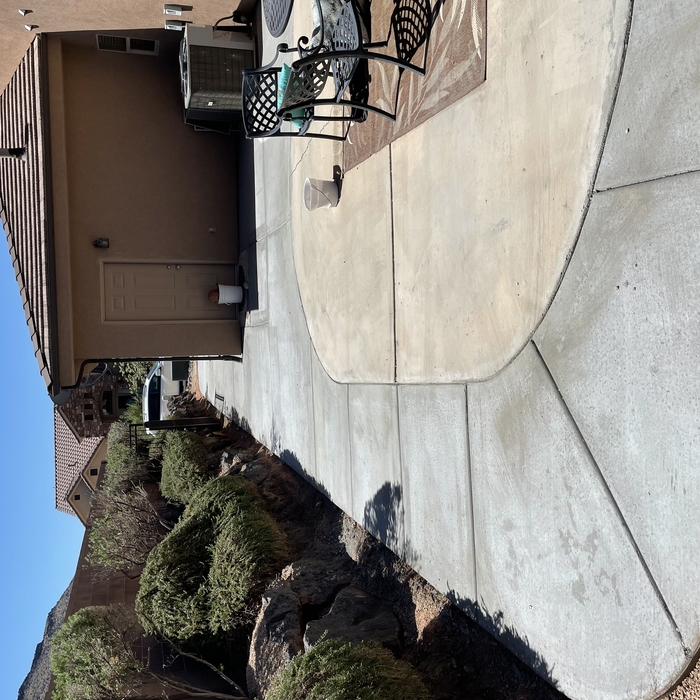
The Apple Valley, UT homeowners’ guide to foundation drain installation services

From average costs to expert advice, get all the answers you need to get your job done.