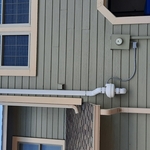
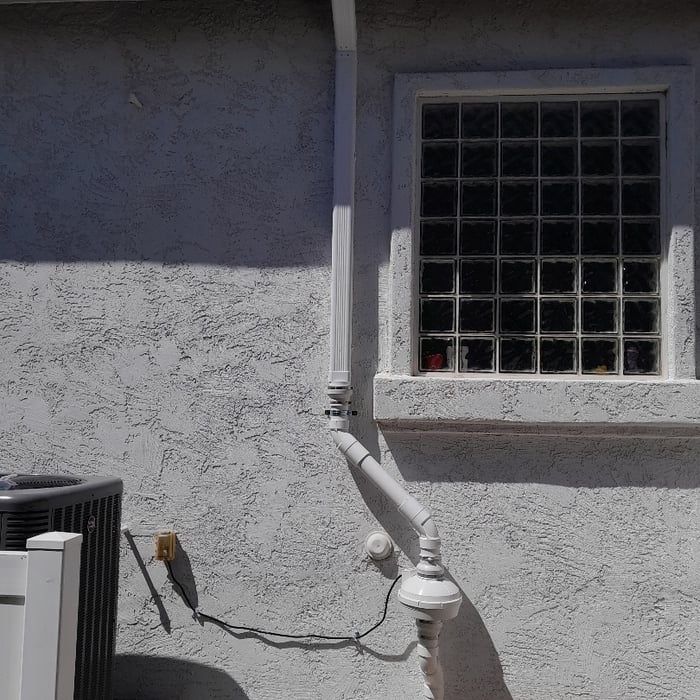
"They were prompt, efficient and courteous. They called to let me know they were on their way and cleaned up everything when they were done. They were supposed to explain something to me about some monitor after the installation, but they forgot. They did walk through how to do the radon test in another week. they also gave me a senior discount, which was definitely appreciated. Otherwise, their pricing was pretty much in the range with the other estimates I received."
"Zach Shipley of Clear Environmental took on the task of removing my extremely large inground swimming pool, filling the cavity and resodding the lawn. He and his crew were very professional in all aspects and he was very "hands-on" throughout the entire process. He was on-site for delivereies and to oversee the work and to keep me apprised of everything that was being done and how the job was progressing. It was a monumental job and he made it as painless as possible at a very competitive price. I would highly recommend Clear Environmental to anyone with a home or commercial project."
Radon Detection and Reduction questions, answered by experts
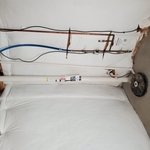
If your home has a sump pit, you can integrate it with a radon mitigation system. You can accomplish this by sealing the pump cover with an airtight lid that accommodates radon vent pipes and sump pump hoses. This allows the vent pipe to redirect the radon gas outside of your home.
Installing a mitigation system reduces radon levels, which can cause lung cancer, providing peace of mind and long-term health benefits. It can also increase your home’s value, as many buyers prefer properties with radon safety measures in place. The investment is relatively low compared to the potential health risks associated with prolonged radon exposure.
The natural breakdown of uranium in soil, rock, and water can cause radon to appear in a home. The gas seeps into homes through cracks in foundations, walls, or floors, as well as through gaps around pipes or construction joints. Radon levels are influenced by soil composition, building materials, and ventilation. Poorly sealed or airtight homes can trap radon, allowing it to accumulate.
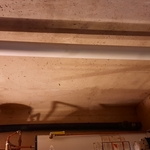
Your radon fan needs to operate 24/7 to be effective. The only time the fan isn't operating is during its replacement. Radon levels in the home can increase within hours if the fan stops working or something obstructs the stack vent. Fortunately, radon systems require no downtime maintenance between fan changes.
Keeping radon from getting into your home is much better than having to get rid of it once it's already indoors. While there may not be a way to fully prevent radon from getting into your home, there are things you can do to reduce the gas's ability to enter.
Sealing foundation cracks and openings can help keep the gas from seeping inside. Improving air flow, such as by opening windows, can also be helpful. If you're building your home from scratch, talk to your contractor about using radon-resistant construction to keep the gas out.
The Wellington, TX homeowners’ guide to radon detection and reduction services
From average costs to expert advice, get all the answers you need to get your job done.
Get clear answers on how much radon remediation costs, including average prices, key cost factors, and tips to save money on your home’s radon mitigation.
Find out what impacts radon testing costs, including average prices for DIY kits and professional services, so you can protect your home and budget confidently.
Radon is a gas that you can't see or smell and is harmful to your health. If your home has radon, you need to know who installs radon mitigation systems.