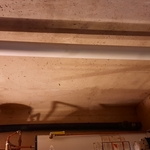
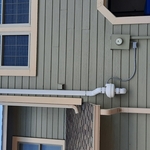
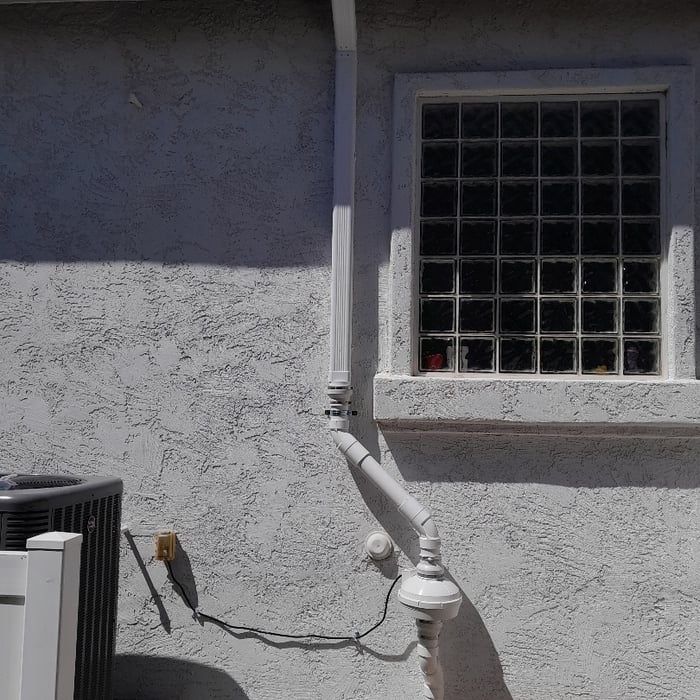
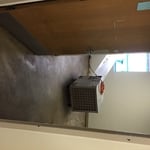
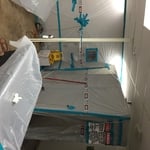
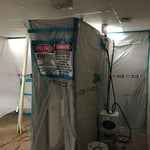
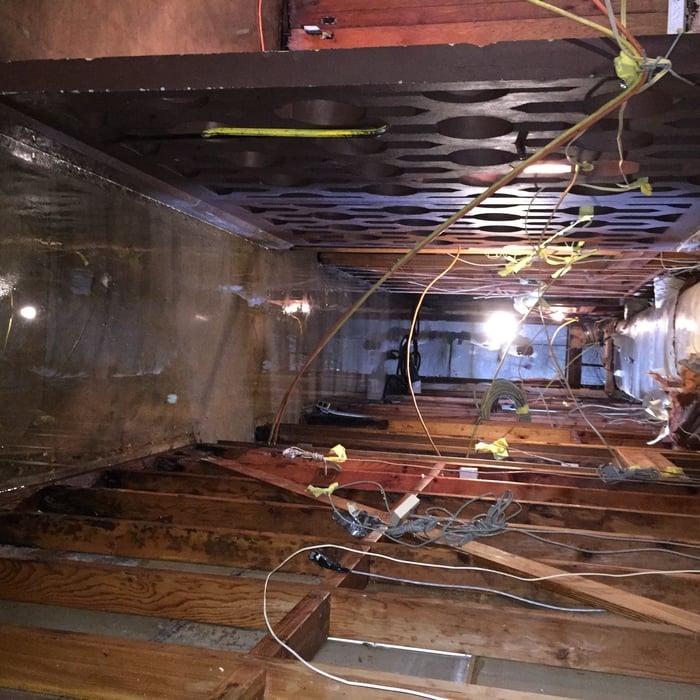
"They were prompt, efficient and courteous. They called to let me know they were on their way and cleaned up everything when they were done. They were supposed to explain something to me about some monitor after the installation, but they forgot. They did walk through how to do the radon test in another week. they also gave me a senior discount, which was definitely appreciated. Otherwise, their pricing was pretty much in the range with the other estimates I received."
"Zach Shipley of Clear Environmental took on the task of removing my extremely large inground swimming pool, filling the cavity and resodding the lawn. He and his crew were very professional in all aspects and he was very "hands-on" throughout the entire process. He was on-site for delivereies and to oversee the work and to keep me apprised of everything that was being done and how the job was progressing. It was a monumental job and he made it as painless as possible at a very competitive price. I would highly recommend Clear Environmental to anyone with a home or commercial project."
Radon Detection and Reduction questions, answered by experts
No level of radon is technically safe, but since it is naturally present everywhere, it is impossible to avoid entirely. The average radon level in homes across the United States is 1.3 picocuries per liter (pCi/L). The Environmental Protection Agency (EPA) recommends taking action to reduce radon levels if your home's test results are between 2 and 4 pCi/L or higher.
Radon is present almost everywhere but, like sunlight, the concentration levels and how often you are exposed to it have a large part to play in just how dangerous it is. There are levels of radon that are acceptable inside a house, but above a certain limit, radon becomes a serious radioactive hazard that is a known cause of lung cancer. In fact, radon exposure is the number two leading cause of lung cancer (after smoking).
No, air purifiers are not an effective way to reduce or remove radon. Radon is a radioactive, inert gas that cannot be filtered by standard air purifiers, which are designed to capture particulates like dust and mold. While an air purifier can improve indoor air quality by removing other pollutants, it should not be relied upon for radon. The only effective solution for high radon levels is a dedicated radon mitigation system.
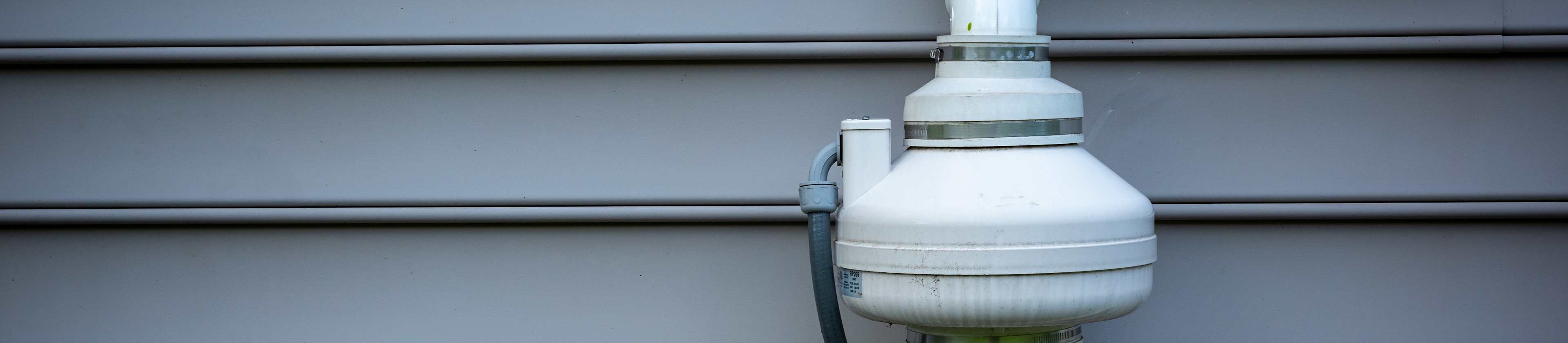
The lifespan of a radon mitigation system depends on the type of system and its maintenance. With proper care, a system can last for many decades. Passive systems tend to last longer as they have fewer components that require replacement. Active systems, which have more moving parts like fans, generally have a shorter lifespan. For instance, water filtration devices and active pressurization systems require more frequent maintenance. While the system as a whole is durable, the radon fan in an active system typically has a lifespan of 5 to 10 years and will need to be replaced. As long as the fan is working, the mitigation system should function correctly.
The average radon mitigation system uses about 876 kWh of electricity per year, although the exact amount of electricity used will vary depending on the size of the radon fan. Once the system is installed, the annual increase to your energy bill could range from $30 to $300 per year, again depending on the size of the fan.
The Throckmorton, TX homeowners’ guide to radon detection and reduction services
From average costs to expert advice, get all the answers you need to get your job done.
Get clear answers on how much radon remediation costs, including average prices, key cost factors, and tips to save money on your home’s radon mitigation.
Find out what impacts radon testing costs, including average prices for DIY kits and professional services, so you can protect your home and budget confidently.
Radon is a gas that you can't see or smell and is harmful to your health. If your home has radon, you need to know who installs radon mitigation systems.