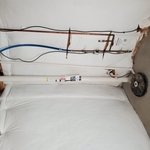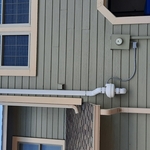









Top-rated radon detection and reduction specialists.

Get matched with top radon detection and reduction specialists in Tenaha, TX

Enter your zip and get matched with up to 5 pros

Need a pro for your radon detection and reduction project in Tenaha, TX?

Select your specific project to find the pro for you.

Find Radon detection and reduction specialists in Tenaha

Avatar for Clear Environmental
Clear Environmental
4.2(
15
)

Serving Tenaha, TX and surrounding areas

In business since 2013

Free estimates

Warranties offered

"These guys are true professionals and true to their word. They did exceptional work and exactly what I asked of them. I would truly do business with this company again!"
Abatement
Abatement
Abatement
Abatement
Abatement

+7

Response time1 day
Recommended by91%of homeowners
Radon Detection and Reduction questions, answered by experts

Radon is present almost everywhere but, like sunlight, the concentration levels and how often you are exposed to it have a large part to play in just how dangerous it is. There are levels of radon that are acceptable inside a house, but above a certain limit, radon becomes a serious radioactive hazard that is a known cause of lung cancer. In fact, radon exposure is the number two leading cause of lung cancer (after smoking).

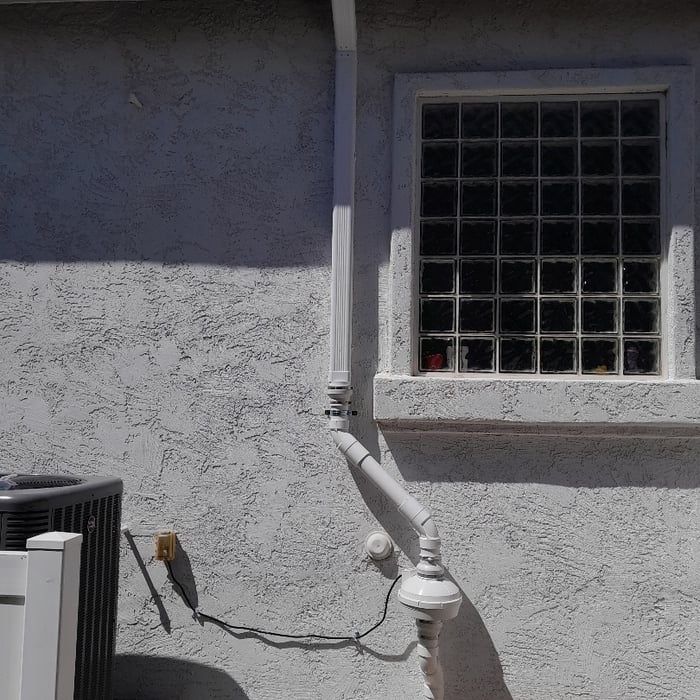
Installing a mitigation system reduces radon levels, which can cause lung cancer, providing peace of mind and long-term health benefits. It can also increase your home’s value, as many buyers prefer properties with radon safety measures in place. The investment is relatively low compared to the potential health risks associated with prolonged radon exposure.

The average radon mitigation system uses about 876 kWh of electricity per year, although the exact amount of electricity used will vary depending on the size of the radon fan. Once the system is installed, the annual increase to your energy bill could range from $30 to $300 per year, again depending on the size of the fan.

The soil beneath your house is most likely what’s causing an increased level of radon. This is because soil holds radioactivity for a long time and it’s also what most buildings are built on. Another common source of radon is water from a source that hasn’t been through periodic radon tests, such as well water. Over time, the radon from the soil can inhabit other parts of your house like the foundation or plumbing.

Testing every 2-5 years or upon adjusting occupancy or structural changes maintains safe environments.

The Tenaha, TX homeowners’ guide to radon detection and reduction services

From average costs to expert advice, get all the answers you need to get your job done.

What do you need done? We’ll find top pros.
  • 🌱 "Mow a small front yard"
  • 🛠 "Fix a leaking pipe under the sink"
  • 🏠 "Repair shingles on an asphalt roof"