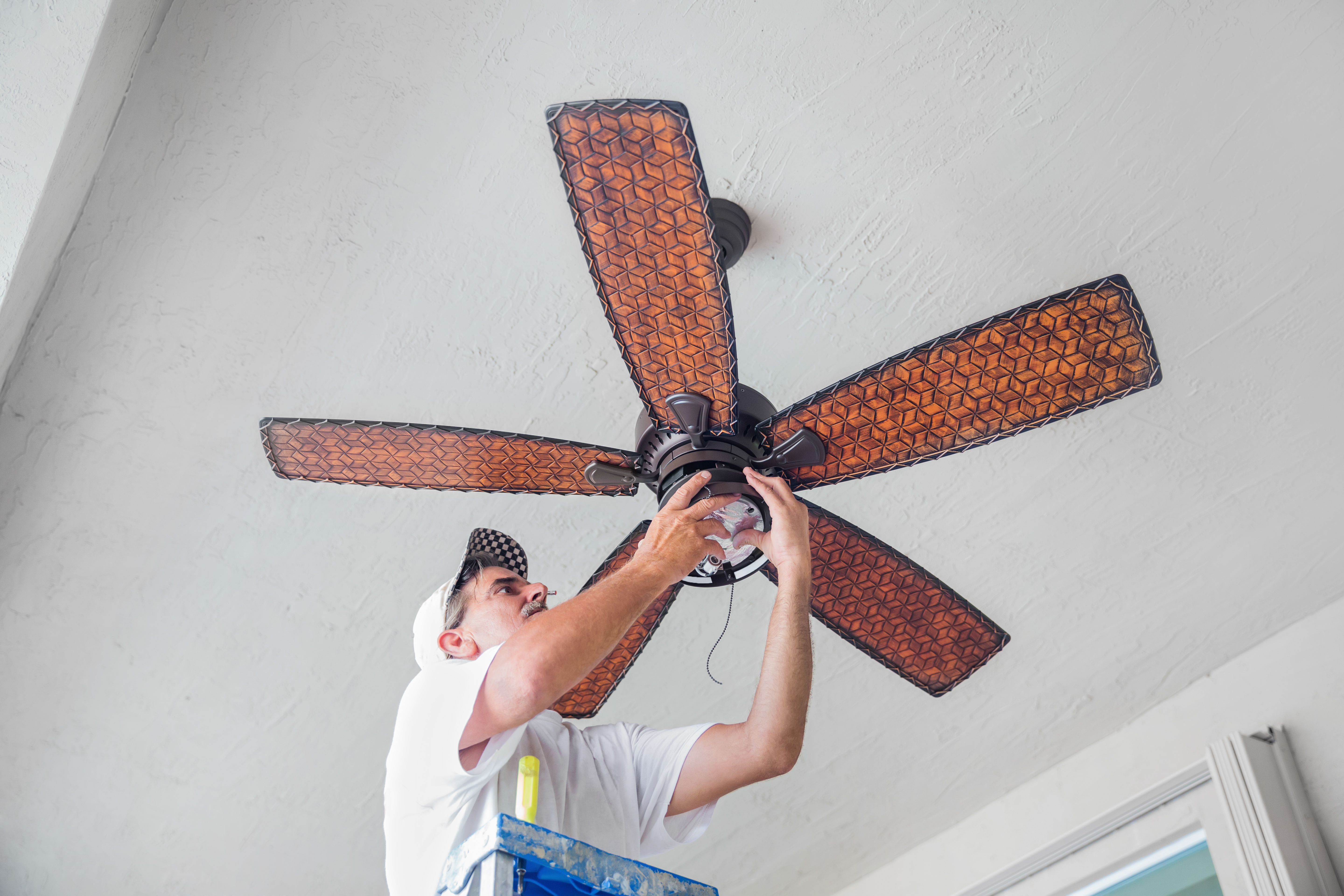
"Jim Benton of Country Boys Electric came out the day after my call for a bid. He walked through our shell of a log cabin in the woods, was very thoughtful, made many great suggestions about where to put lights and plugs, described the work they would do and within a few days we has his written bid. We liked and trusted Jim immediately and they started to work in a few days. His workers were very professional, arrived on time, worked well with us. They did all the wiring and then had to wait about a month for the sheetrock and painters to do their work. We called them back and they were ready to install lights and fans and finish the job. We were so please with their work. They were very reliable and on time, even though they had to drive 40 miles from their shop to our place each day.We would highly recommend them to others. "
"I love American Shield. I love American Shield. I love them. We have 2 homes; this home is 30 years old, our home in California is twenty years old and we have used them in both places. A, number 1, plus, plus!"
We are extremely passionate about the work that we do. You can depend on us to provide a high quality service at a fair and honest price. We understand that the future of our business depends upon our reputation and that is why customer service is by far our highest priority. If you are looking for a professional you can trust, please call today to schedule a no-obligation estimate!.
Though possible, installing a ceiling fan yourself requires electrical knowledge and confidence working with home wiring. Following the manufacturer's instructions carefully and observing safety precautions are crucial components of a DIY installation.
To determine if your ceiling box can support a fan, you must check if it is specifically fan-rated. Manufacturers are required to indicate this on the box itself. You may need to remove the existing light fixture to look inside the ceiling box for an inscription stating it is rated for fan use. If you do not see this confirmation, the box is likely not strong enough and must be replaced with a fan-rated junction box. For a proper and safe installation, you should also use a fan brace to secure the new box between the ceiling joists, which provides the necessary support for the fan's weight and motion.
Installing a ceiling fan where no wiring exists is a difficult and potentially dangerous job that should not be attempted as a DIY project. It is recommended to hire a certified electrician to build the necessary electrical infrastructure. In some areas, building codes require this work to be done by a professional to ensure safety and compliance. Due to the complexity, this type of installation is a significant job that could cost up to $2,000.
There are several telltale signs to let you know that your ceiling fan needs servicing or replacement. For instance, if it’s wobbling, rotating too slowly, or if your ceiling fan is making noise such as squeaks, buzzes, and thumps, it’s time to have it looked at by a professional. Not only may it indicate a potential problem with the fan itself, but it could also signal a red flag that it’s improperly assembled or there’s an issue with the wiring.
The most efficient ceiling fan height is 8 to 9 feet from the floor to the fan blades. For ceilings higher than 9 feet, a downrod can be used to lower the fan to the optimal height. This positioning ensures adequate air circulation and maximizes the cooling effect. Remember, fans should be installed at least 7 feet above the floor for safety.
The Spearman, TX homeowners’ guide to ceiling fan services
From average costs to expert advice, get all the answers you need to get your job done.
Discover the cost to install a ceiling fan, including labor, materials, and tips to save. Learn what impacts your price and how to budget for your project.
Ceiling fans cool down your home while stylishly accenting your space. With a variety of types of ceiling fan on the market to choose from, you can’t go wrong.
Although the risk is low, there are a few telltale signs that a ceiling fan will fall off your ceiling. This guide explains when to worry (and when not to).
With the right size, ceiling fans are an energy-efficient way to cool a room. Use this ceiling fan size guide to find the perfect model for your space.