



Top-rated pole barn builders.

Get matched with top pole barn builders in Snyder, TX

Enter your zip and get matched with up to 5 pros

Need a pro for your pole barn building project in Snyder, TX?

Select your specific project to find the pro for you.
Pole Barn Builders questions, answered by experts

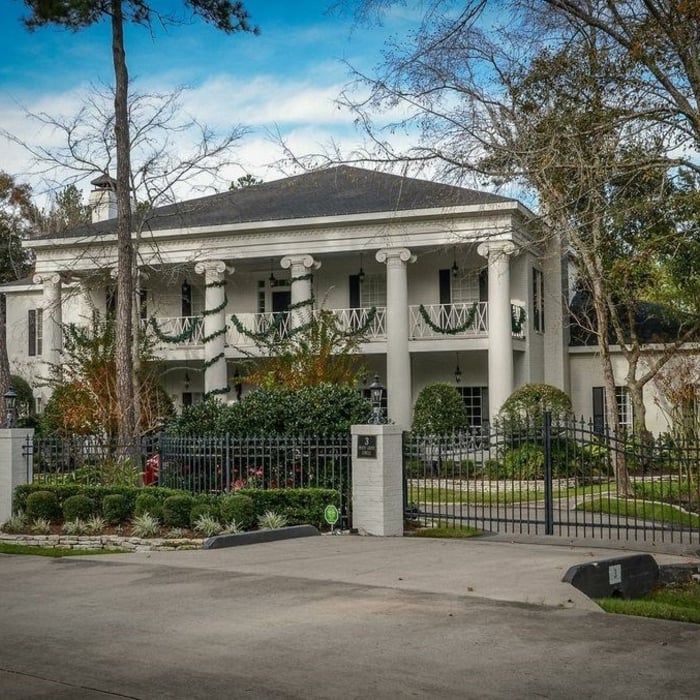
Ranch and colonial-style homes are often the most affordable to build. They have a common layout with available designs that are easy to adjust in simple ways without having to spend too much on a structural engineer or architect. Both types of homes' symmetry, simple roofs, and often one or two-story plans mean they often fall in the $150 to $200 square-foot range, putting them right around average.

Average barndominiums last between 50 and 150 years depending on the materials they are made from, how well they are maintained, and the environment they are built in. Barndominiums are very durable and have a much longer lifespan than traditional wood homes. With proper care and maintenance, well-built barndominium homes can last generations. 

Trex is not stronger than wood, but it lasts longer than wood and is heavier. Trex holds up well to the elements and is resistant to termites thanks to its resilient composition of plastic, reclaimed wood, and sawdust. Trex decking is rot and warp-resistant, making it especially useful in areas that experience a lot of snow and rain.

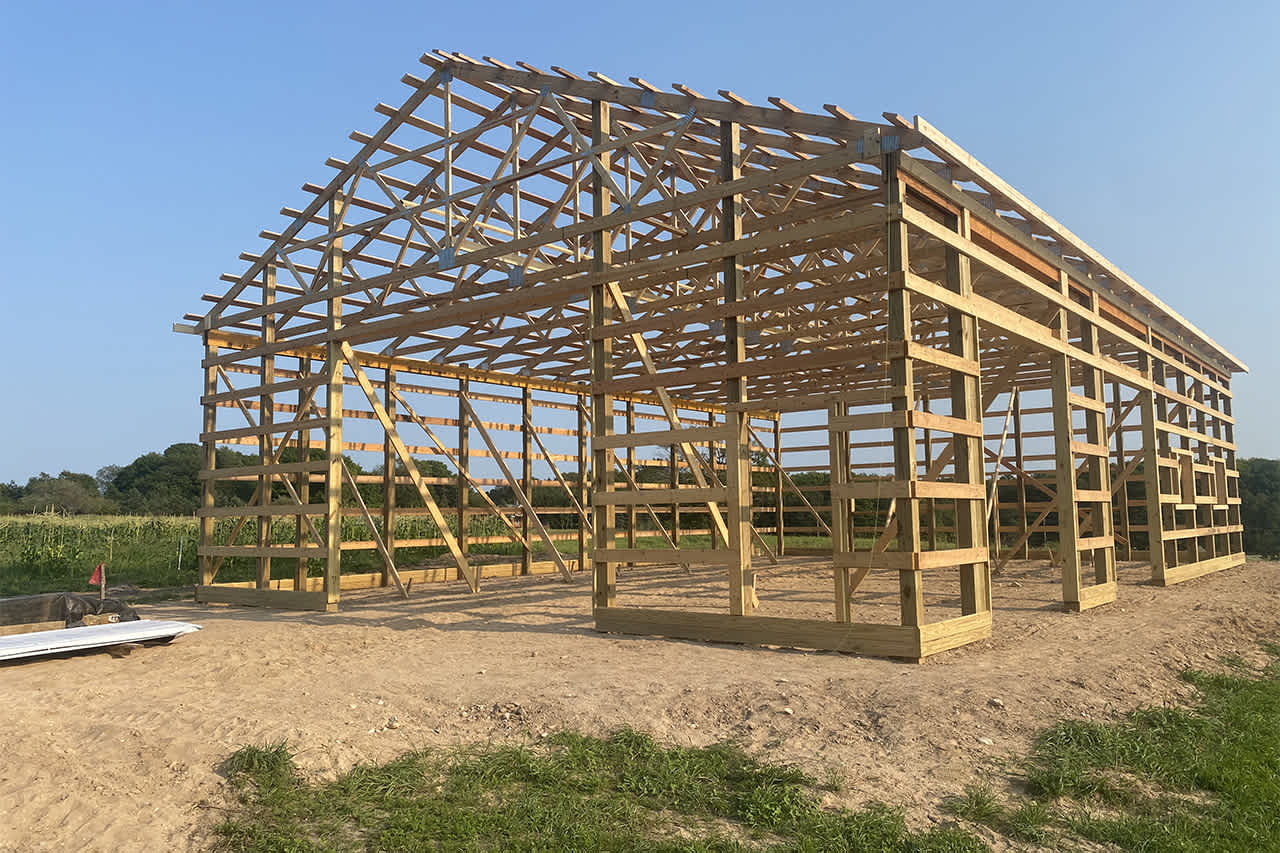
The timeline to build your barn will depend on the barn type and the company you hire. A pole barn may take six weeks or so, while a traditionally framed or steel-framed barn can take four months or longer. Building a barndominium takes the longest because you are essentially building a new home. You can expect barndominiums to take six months or longer to build.

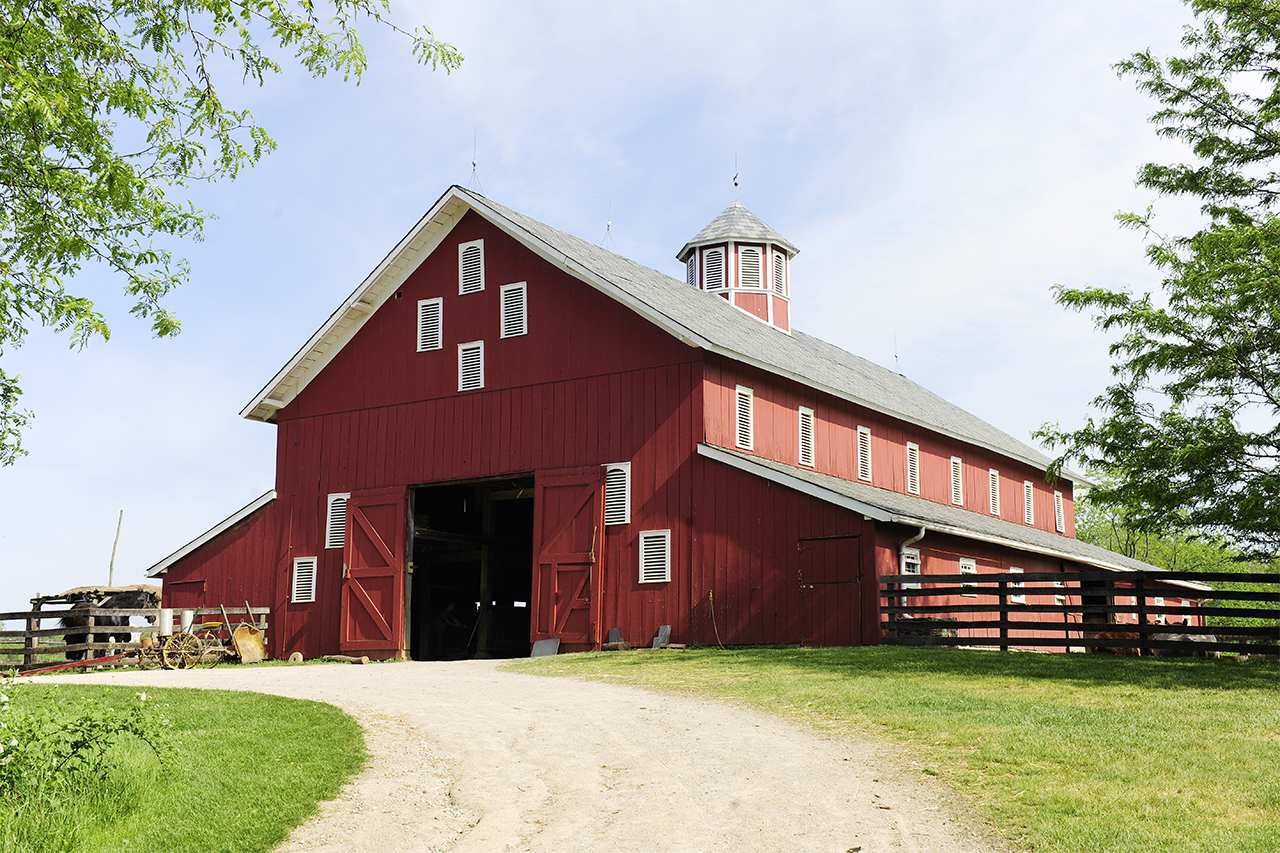
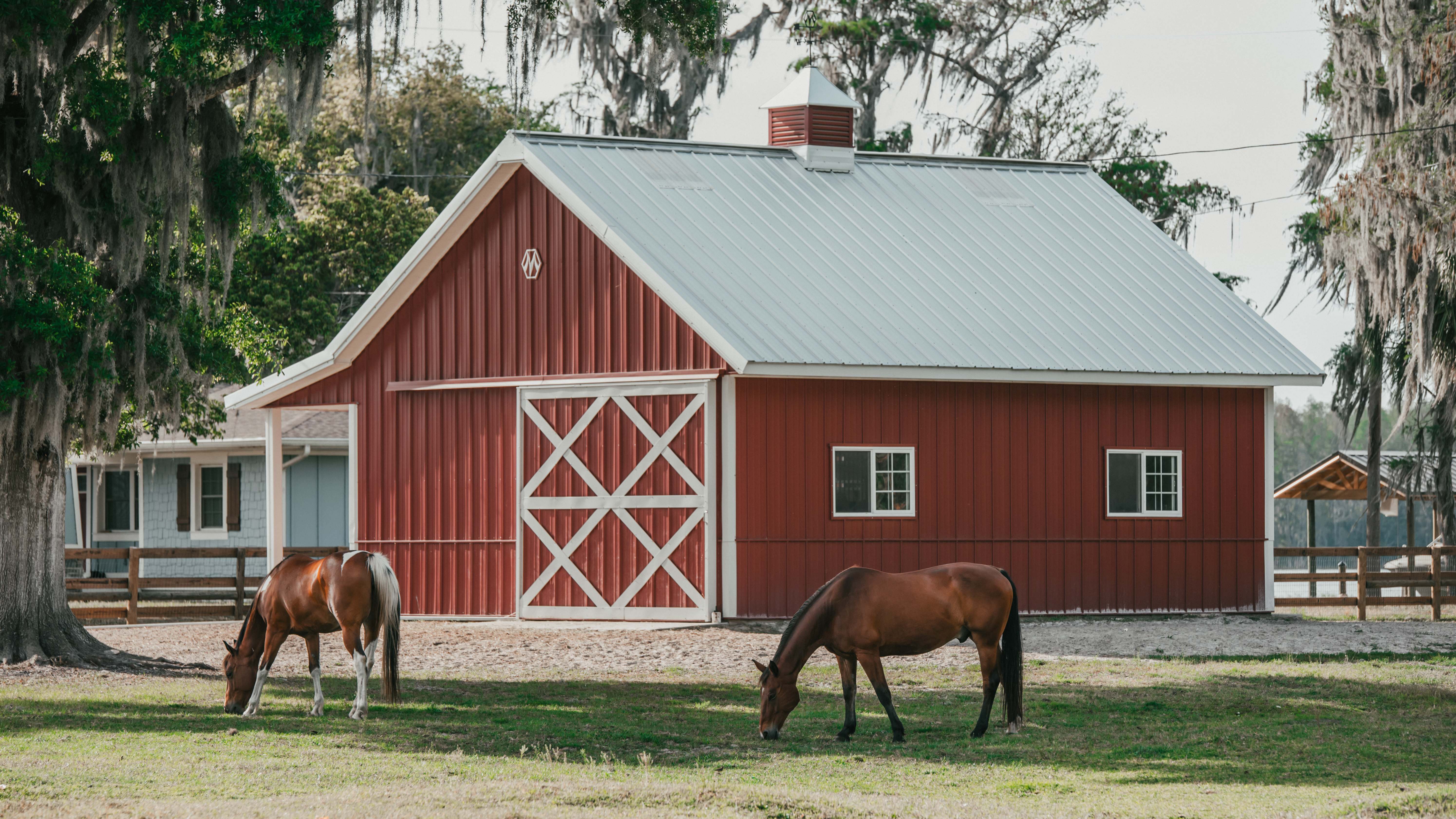
Barns and barndominiums are most commonly painted red, like barns depicted in movies and paintings. The practice of painting barns red dates back to America’s colonial days, when new farmers would borrow the European practice of mixing linseed oil with ferrous oxide to coat the barns in order to protect them from the elements, leaving the structures with a red color.