




Top-rated arborists.

Best arborists near Snyder, TX

Enter your zip and get matched with up to 5 pros

Need a pro for your arboricultural service project in Snyder, TX?

Select your specific project to find the pro for you.

Top-Rated Arborists in Snyder - Updated Nov 2026

Avatar for Bueno Enterprises
Bueno Enterprises
5.0(
6
)
Tree TrimmingTree RemovalTree Stump - Remove

Serving Snyder, TX and surrounding areas

Approved

Free estimates

Emergency services offered

Small jobs welcome

"Bueno Enterprises was prompt, professional and have friendly staff. They did an incredible job cutting the trees down and hauling the debris away! They cleaned my yard after they completed the tree cutting and it looks better than before they started. I would highly Recommend them for trimming and tree removal. Best job ever!"
2 neighbors recently requested a quote

Avatar for 5X Legacy, LLC
5X Legacy, LLC
5.0(
4
)
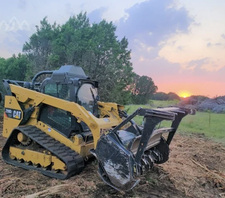
Tree Stump - RemoveTree Stump - Remove - For Business

Serving Snyder, TX and surrounding areas

In business since 2021

Credit card accepted

Offers commercial services

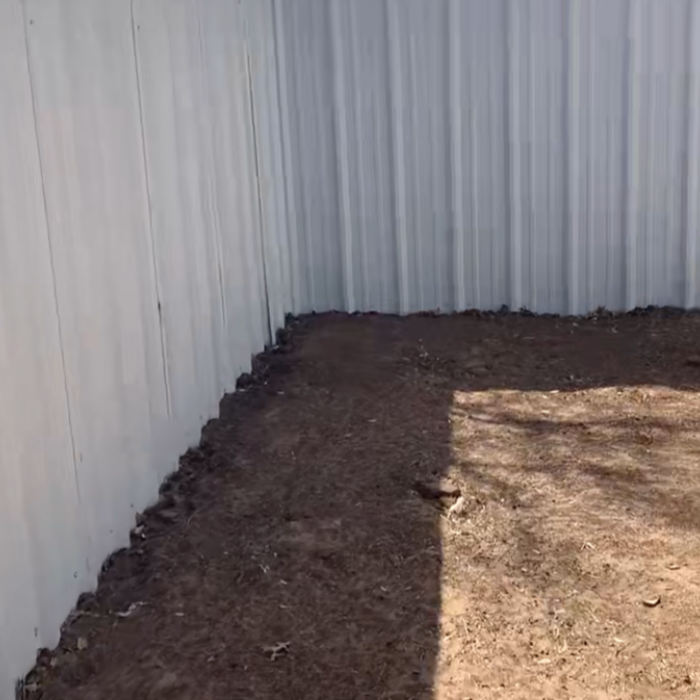
"5X Legacy regraded my yard to correct negative drainage. They were skilled and careful with the machine, didnâ t hit anything. Used laser to find path for water and didnâ t overwork the area. In and out quickly. Good bunch of guys."
Excavation
Excavation
Response time1 day
Response rate94%
Recommended by100%of homeowners
Showing 1-10 of 38
Arborists FAQs, answered by experts

Aside from removing dead or diseased branches, you should prune your trees somewhere between every one and three years. Some people—particularly commercial farmers—prune their apple trees yearly to produce higher yields. This is the best way to promote tree health. That said, the average homeowner can get away with hard-pruning their mature apple tree every other year or every three years. 

The best time to cut down a tree is during its dormant season, typically in winter or early spring, after all the leaves have fallen. Removing a tree during this period is advantageous for several reasons. Frozen ground helps secure the tree stump, protects the surrounding landscape from damage, and reduces the risk of the tree falling in an unintended direction. With the leaves gone, there is less risk of the tree's foliage getting tangled with other trees. Additionally, since this is often a slower season for tree services, you may be able to hire a professional at a lower rate. This dormant period is also the best time for tree trimming.

Most tree surgeons cost around $100 per hour or between $70 and $200 per hour for their services. You might get flat fees for more straightforward services, like a tree assessment, tree removal, stump grinding, and one-off treatments, but many times, treatments for tree diseases or pests will be charged based on an hourly rate or a per-visit rate. Since the cost of a tree surgeon can vary widely, it’s best to speak with an arborist near you to get an idea of what your particular issue will cost to correct.

The fastest ways to remove a tree stump are by grinding it or burning it.

Stump grinding is often the quickest method, with professionals able to chip away a stump and its roots within a single session. You have the option to hire a professional stump removal service or rent a stump grinder to do it yourself. However, it's important to note that these machines can be large, difficult to transport, and dangerous to operate without prior experience. For safety reasons, hiring a local arborist or landscape specialist is often recommended.

Burning is another fast option. Before you begin, check your local burn laws. The process involves drilling holes into the stump, filling them with vegetable oil, and waiting 24 to 48 hours. Afterward, you can add charcoal bricks to the surface and light the fire, which must be attended at all times.

For a more affordable but much slower alternative, you can use potassium nitrate pellets to accelerate the natural decomposition process. This method typically takes four to six months.

You may wonder whether tree removal is tax deductible: Tree removal is not tax-deductible for homeowners unless it's related to a federally declared disaster. In that case, the cost may qualify as a casualty loss. However, if you own a commercial property, like a rental home, tree removal could be deductible if it's necessary for safety, maintenance, or part of a larger capital improvement project, and you must hire a professional tree removal service and keep documentation. Always consult a tax professional beforehand to see if you qualify.

The Snyder, TX homeowners’ guide to arboricultural services

From average costs to expert advice, get all the answers you need to get your job done.