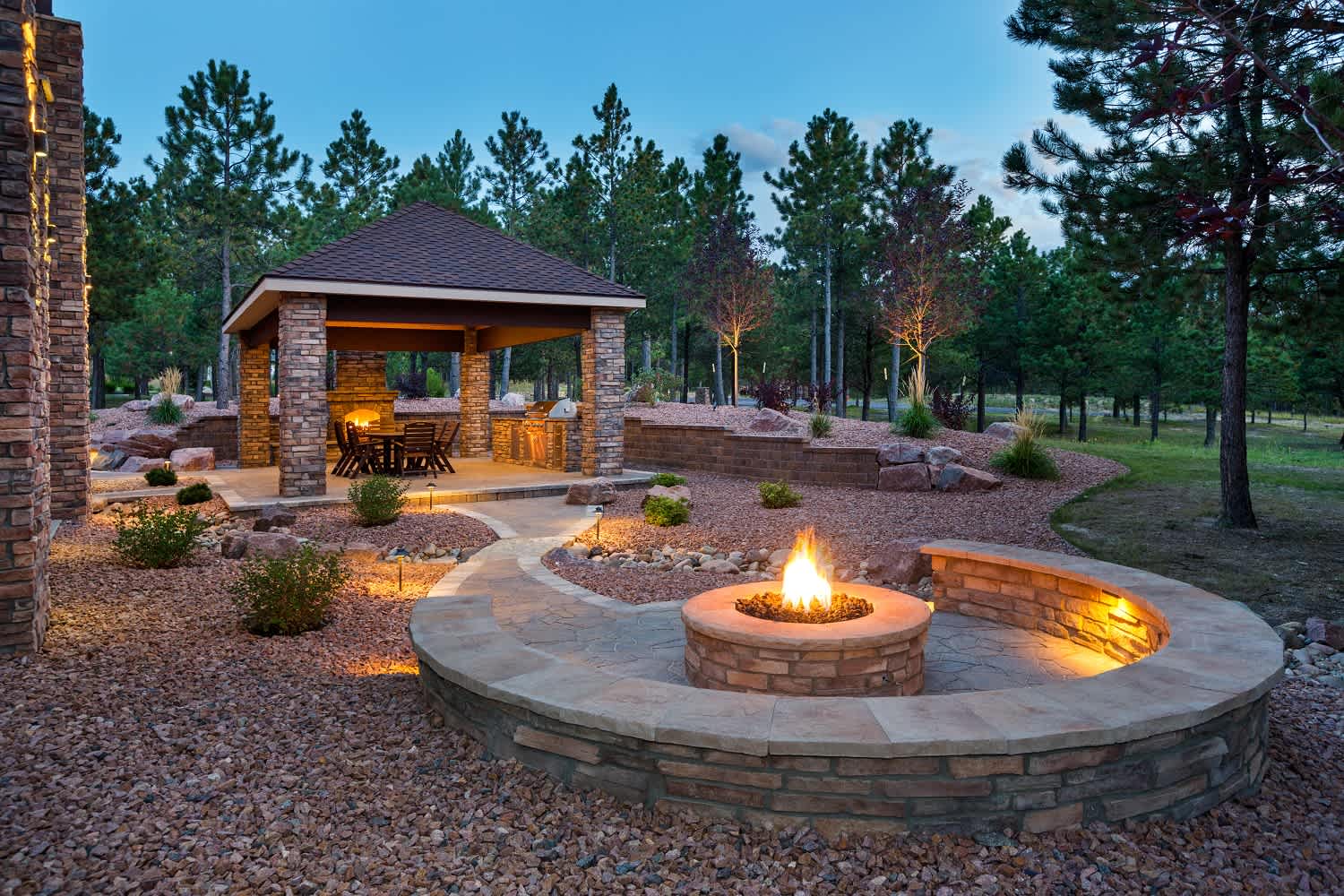




Top-rated fire pit installation pros.

Get matched with top fire pit installation pros in Roby, TX

Enter your zip and get matched with up to 5 pros

Need a pro for your fire pit installation project in Roby, TX?

Select your specific project to find the pro for you.

Find Fire pit installation pros in Roby

No results for Fire pit installation pro in

Try adjusting your search criteria.
Fire Pit Installation questions, answered by experts

Start by checking the top or side edge of the door. Look for a certification label or metal tag stamped with details like the fire rating and information on the manufacturer. Even if it’s painted over, the tag should still be visible. Next, look along the edges for slim intumescent strips. They’re designed to swell up and seal gaps when exposed to heat. Finally, check if the door closes itself. Most fire doors have a self-closing mechanism, like an overhead closer or spring hinges. If none of these are obvious, contact a fire safety professional to help verify your door. 

Baking soda is an effective fire reduction method. However, flour and baking powder are very dangerous around flames. Flour is flammable and it can also conduct electricity. The combination can cause serious injury from electrical shock and worsen the situation by adding fuel to the fire. Baking powder is also not an option as it's also highly flammable. 

You can fireproof an existing door to some extent, but it's better to remove the old door and replace it with a fire-rated model. Anything dealing with extreme heat needs rigorous testing and a door you DIY fireproof will not undergo the same safety measures as a premade one. Consider a door with a rating of at least 30 minutes or more in residential areas.

Although you can put a smoke detector on a shelf, the NFPA recommends mounting one on the ceiling or a wall (within 12 inches of the ceiling). If you place your smoke alarm on a shelf, ensure it’s away from drafty, damp, or dusty areas and not near cooking appliances, heat sources, or fluorescent lights.

No, but they both serve distinct life-saving purposes. Smoke detectors primarily sense the presence of smoke, typically caused by a fire, and emit loud alarms to alert occupants to evacuate. In contrast, carbon monoxide detectors monitor the levels of carbon monoxide gas, an odorless and colorless but deadly substance produced by incomplete combustion of fuels. When CO levels become dangerous, CO detectors sound alarms to warn inhabitants of potential poisoning risks. 

The Roby, TX homeowners’ guide to fire pit installation services

From average costs to expert advice, get all the answers you need to get your job done.