







Top-rated excavation pros.

Get matched with top excavation pros in Princeton, TX

Enter your zip and get matched with up to 5 pros

Need a pro for your excavation project in Princeton, TX?

Select your specific project to find the pro for you.

TRUSTED BY PRINCETON, TX HOMEOWNERS

  • Average homeowner rating star icon4.5
    Average homeowner rating
  • Verified reviews icon66
    Verified excavation services reviews

Find Excavation pros in Princeton

Avatar for Epic Lawn Care of DFW
Epic Lawn Care of DFW
5.0(
21
)
Excavation - Major Grading or ReslopingLandscape - Minor Grading or Resloping

Serving Princeton, TX and surrounding areas

Approved

In business since 2023

Free estimates

Credit card accepted

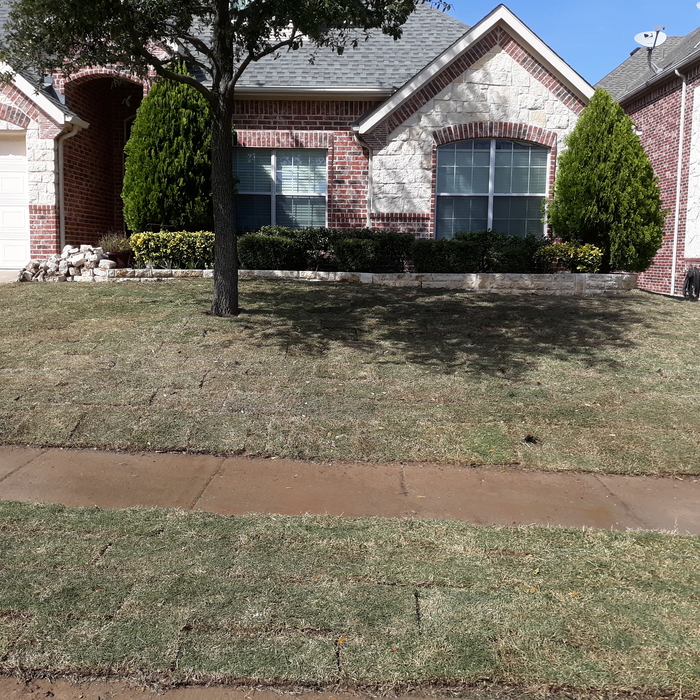
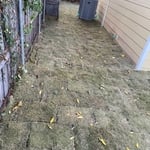
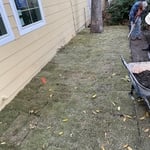
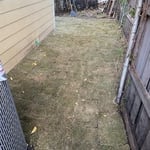
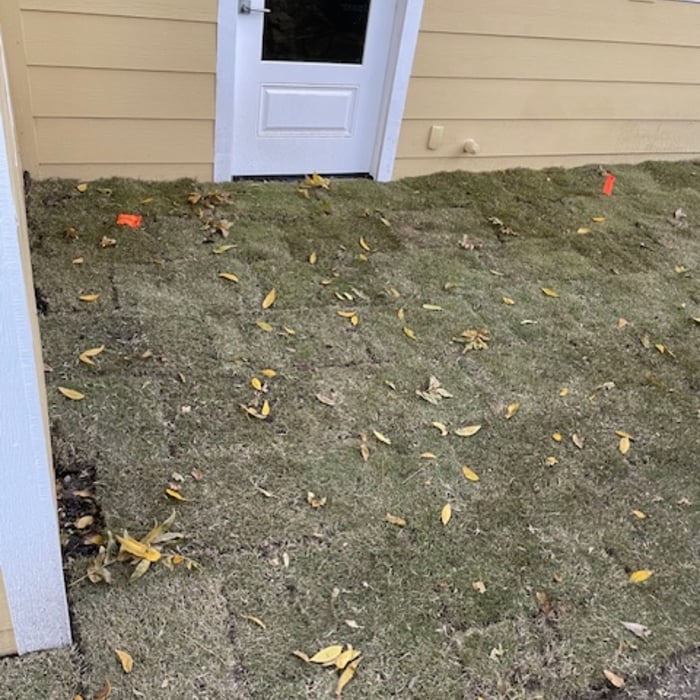
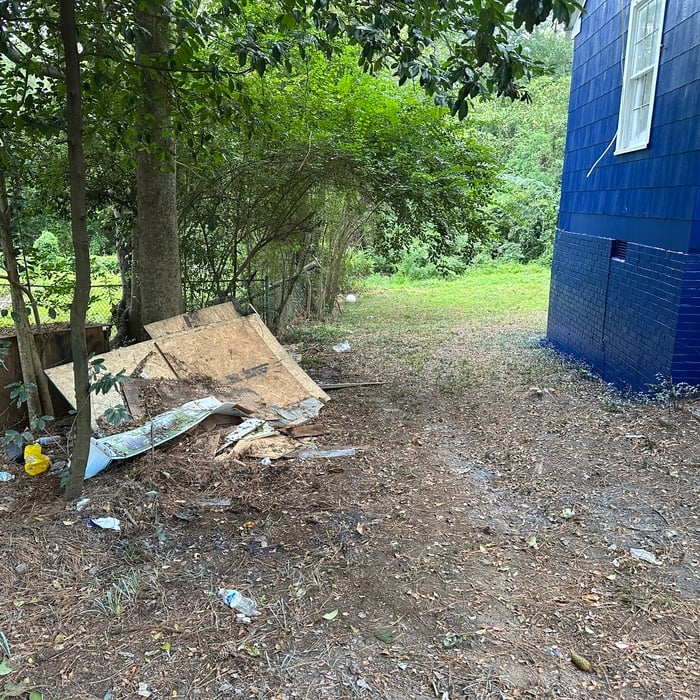
"Gil and his crew took care of all our needs. Tilled bare spots, added enriched topsoil, laid sod, rolled finished sod, tore down junk behind fence, added sprinkler head, checked all sprinklers to ensure full coverage, collected live oak leaves from front yard, etc. We couldn’t be happier."
New Zoysia SOD  installed
New Zoysia SOD installed

+17

Response time6 hrs
Response rate97%
Recommended by95%of homeowners

...
Showing 1-10 of 308
Excavating questions, answered by experts

Trenching is a specific kind of digging. Trenching means digging a depression in the earth that’s deeper than it is wide, often with heavy machinery. Digging refers to any kind of removal of earth in order to create a human-made depression, hole, or cut in the earth’s surface. You can dig with big tools or even with just a hand shovel.

Digging out a basement takes anywhere from a few days to a few months. Most projects take at least two to five weeks, but it could take several months if you encounter obstacles. This project takes longer if you need to brace or raise your home before the excavation. Digging out a basement in new construction can take as little as three days.

The best method for digging a trench depends on the scope of the project. For a short, shallow trench (less than 2 feet deep) in light, soft soil, digging by hand may be sufficient. However, digging by hand is labor-intensive, so consider the effort required. A machine trencher is the better option for longer trenches (over 100 feet), deeper ones, or when dealing with difficult soil conditions, such as rocky or hard ground, or obstructions like tree roots. A machine can save significant time and energy in these situations.

To locate an underground downspout, you should start by identifying where the above ground gutter drains. Look for an entry point, such as a pipe or elbow leading into the ground. Follow the surface path for signs like depressions, landscaping disruptions, or wet areas after rain. You can use a metal detector or plumber’s snake to trace the pipe underground. For deeper pipes, a professional locator tool or camera inspection may be necessary. Visual markers or utility maps can also guide the search.

Hard soil could be a sign of overly dry dirt, either from poor drainage or drought. It's important to test the nutrient levels, density, and drainage capacity of your soil to see if it's absorbing water properly. Begin by adding a light layer of water and observing how long the soil retains moisture. If you experience a good deal of runoff, you may need to aerate your lawn, apply a wetting agent, or hire a professional for a closer look.

The Princeton, TX homeowners’ guide to excavation services

From average costs to expert advice, get all the answers you need to get your job done.