



Top-rated excavation pros.

Get matched with top excavation pros in Nevada, TX

Enter your zip and get matched with up to 5 pros

Need a pro for your excavation project in Nevada, TX?

Select your specific project to find the pro for you.

TRUSTED BY NEVADA, TX HOMEOWNERS

  • Average homeowner rating star icon4.6
    Average homeowner rating
  • Verified reviews icon34
    Verified excavation services reviews

Find Excavation pros in Nevada

Avatar for D5 Plus, LLC
D5 Plus, LLC
4.9(
43
)
Landscape - Minor Grading or ReslopingBuilding Site - Preparation and ClearingBuilding Site - Preparation and Clearing - For Business+2 more

Serving Nevada, TX and surrounding areas

Approved

In business since 2021

Free estimates

Emergency services offered

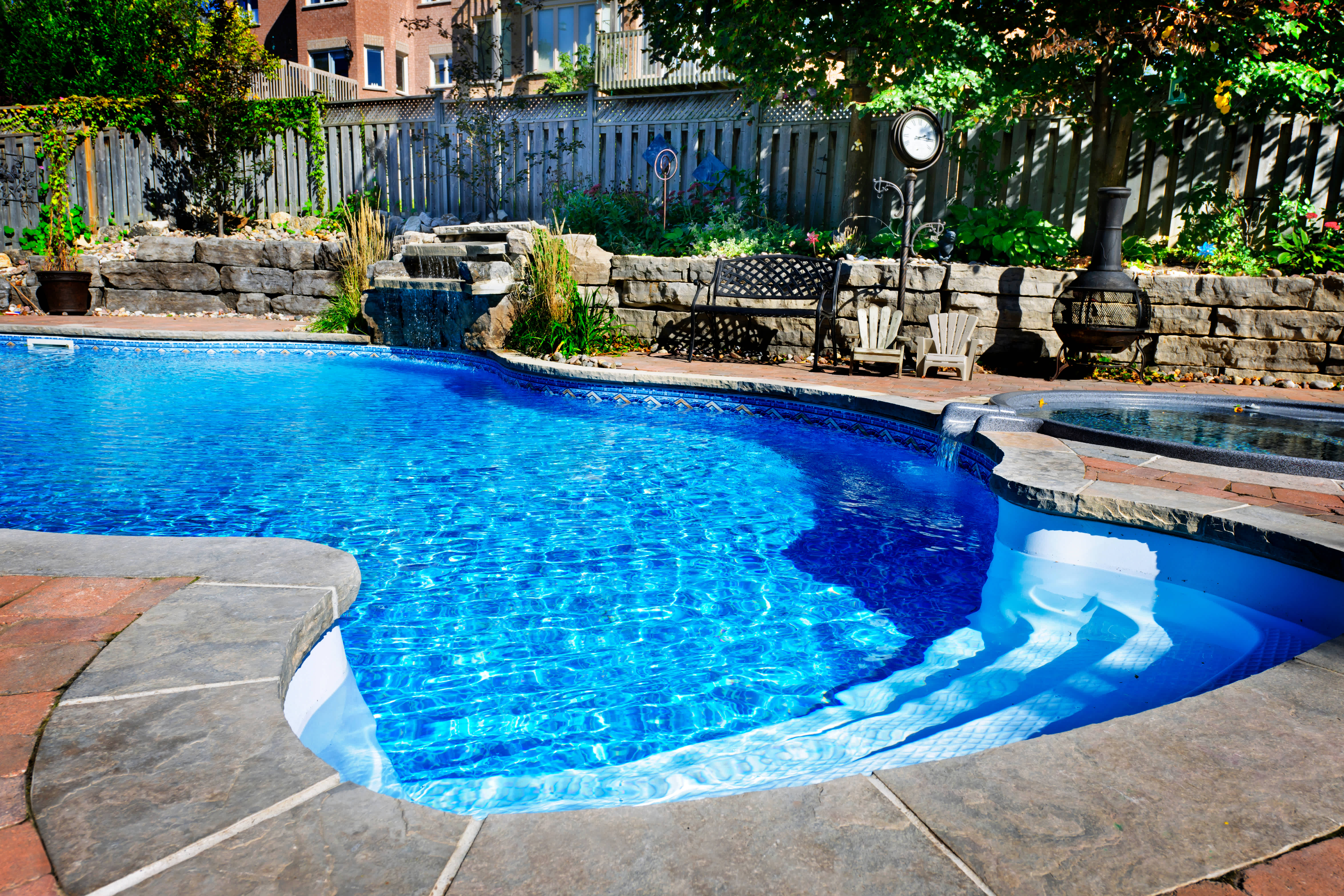
"Hired him to scoop a hole out for my pool. Very satisfied with the timeliness of the project being completed in preparation for my pool guys to come fill the hole. My dog is absolutely obsessed and so am I. Would hire again for any other demo or excavation projects I might have! 5 star"
Flagstone Patio
Flagstone Patio
New Construction Site Grading
Pool Demolition
Pool Demolition

+30

Response time12 hrs
3 neighbors recently requested a quote
Recommended by95%of homeowners
Avatar for Dumpster Dog
Dumpster Dog
5.0(
10
)
Building Site - Preparation and Clearing

Serving Nevada, TX and surrounding areas

Approved

In business since 2023

Free estimates

Credit card accepted

"This is hands-down the best company Iâ  ve ever seen theyâ  re quick to respond. They do what they say theyâ  re going to do for the best price."
Junk Removal
Junk Removal
Junk Removal
Junk Removal
Junk Removal

+16

Response time10 hrs
39 neighbors recently requested a quote
Recommended by77%of homeowners
...
Showing 1-10 of 260
Excavating questions, answered by experts

It can take several weeks for the ground to settle after removing a tree, and the soil under larger, more mature trees can take months. The deeper the tree has been ground under the soil, the longer it will take to settle. However, this extra depth can help you plant new landscaping sooner because you’ll have more space for fresh soil.

If you have a broken sprinkler pipe underground, there will be some signs you can easily spot to locate it and take action. These include leaks, water spouts, flooding, consistently damp areas on your lawn, low water pressure, and grass around the sprinkler head that’s taller and darker than anywhere else in the yard. 

If there are no obvious signs of a broken pipe, you can use tools such as water leak mics, leak noise loggers, audio devices that record leaks, and acoustic testing links. 

Broken pipes can lead to uneven watering, plant damage, and higher utility bills. The longer you wait to fix them the more the repair cost may be.

We recommend removing the stump, and grinding is a popular way to do it. You can also dig out small stumps or stumps that have fully decayed instead of grinding them. However, don’t try using acids or fire for killing a tree stump, which is a fire hazard and illegal in many areas.

Leaving the stump alone invites eventual problems, including attracting termites, mold, and fungi.

Trenching and boring are two distinct methods for installing underground utilities. Trenching involves digging a channel using equipment like an excavator, trencher, backhoe, or shovel. While it is a simpler process, it causes significant disruption to the surface, landscaping, and surrounding ecosystems.

Boring, also known as directional boring, is a less invasive alternative that uses a drill to create a tunnel for utility lines without disturbing the surface. This method is more precise and is ideal for installations that need to go underneath buildings, roads, or bodies of water. Although boring is less disruptive, it is generally more expensive than trenching.

There are many ways to cut through roots when digging, especially if your trencher doesn’t seem to be removing the roots. First, use a shovel to expose the roots. Then, use gardening shears to clear out smaller roots or a reciprocating saw to remove larger plant roots. If you plan on keeping the plant, avoid cutting any roots over 2 inches thick.

The Nevada, TX homeowners’ guide to excavation services

From average costs to expert advice, get all the answers you need to get your job done.