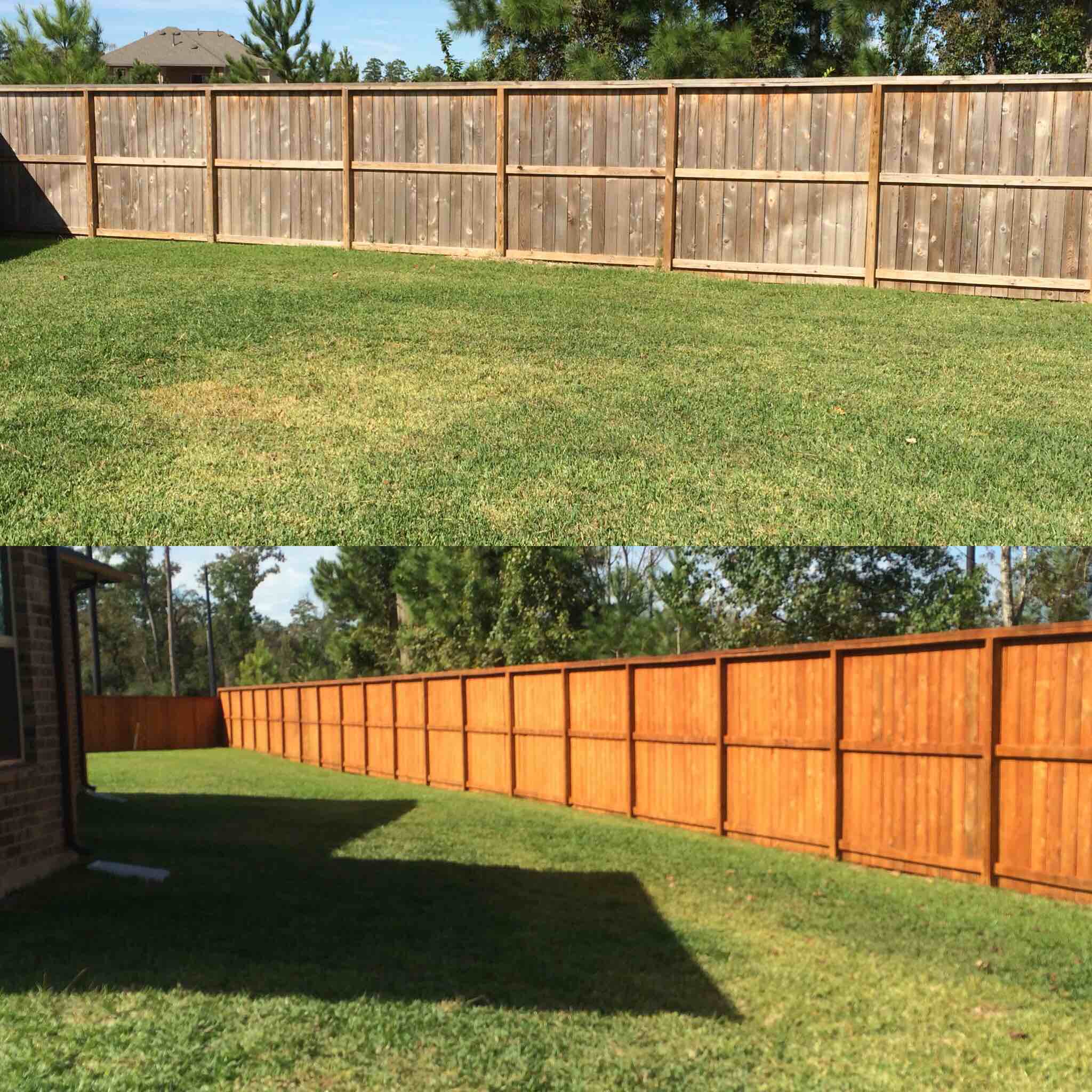
We have the experience and we are committed to providing quality workmanship and superior customer service on all our applications. We strive to maintain our reputation as a high quality, very service oriented company with our main focus being customer satisfaction.
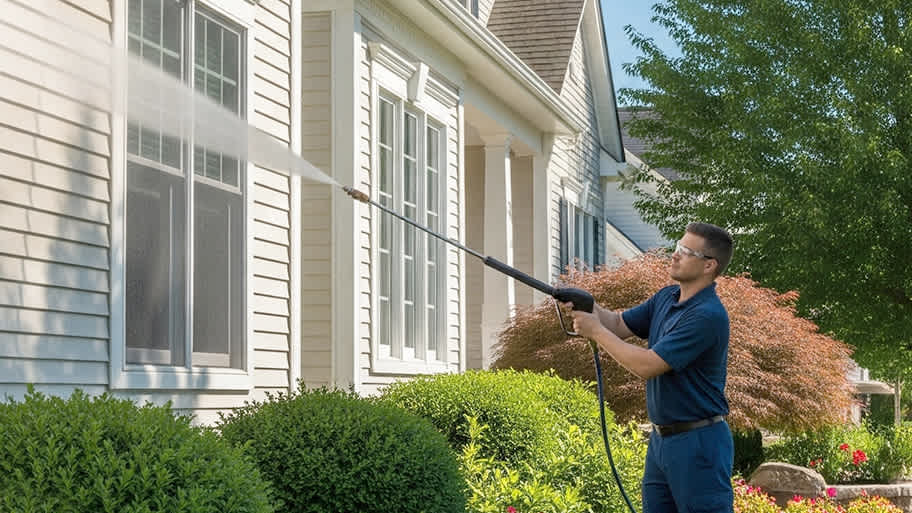
"Great! They arrived at the time they promised. They were careful around my shrubs. The brick and siding of the house looked great and I was shocked at the difference having the driveway pressure washed made. I have asked them to contact me every 6 months to have it done again."
"LBK Power Wash provided ultimate service. I reached out and immediately felt like Michael wanted to help in any way that he could. Great work cleaning my patio, driveway and garage surfaces., I highly recommend LBK Power Wash."
We take the utmost pride and care in our business and the services we provide. We've been doing this for quite a long time now, which is a point of pride, since 2004 we've built lasting and trusted relationships within our community. Thank you for your continued patronage. We look forward to becoming a part of your trusted partnerships in the years ahead.
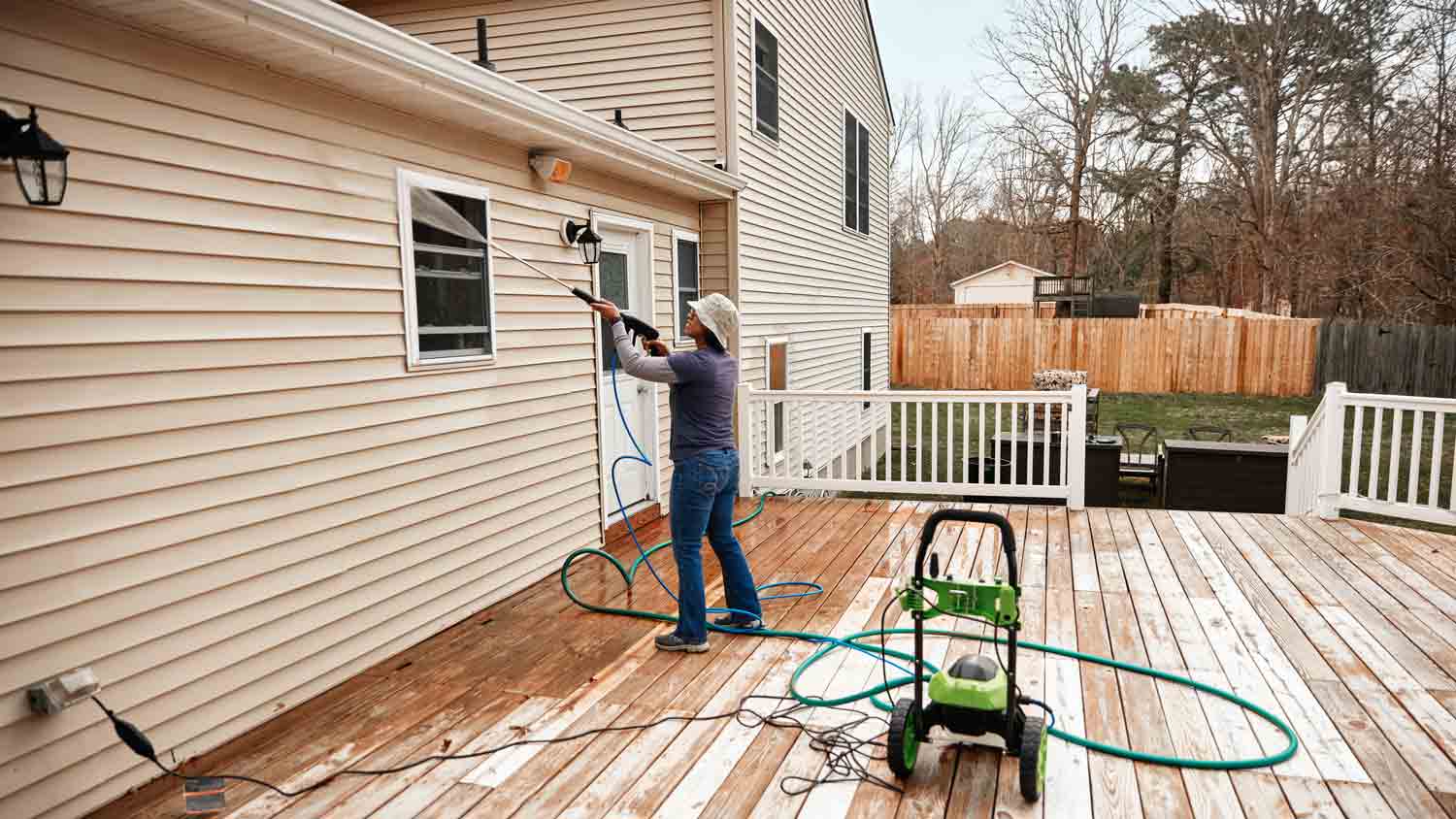
We wash & detail cars,pickups,boats,campers & also wash brick,driveways,sidewalks,& parking lots. We wash vynl siding, remove loose paint, clean & seal decks, some fence and deck repairs provided.
I provide strategic pruning, tree removal and stump grinding. Our number one priority is maintaining integrity, satisfying customers, while building long lasting business relationships. My staff has years of experience and they take pride in their work, delivering quality with every job. Call for a free estimate!
We pride our company on reliability, great communication, integrity, and quality work. We are experts in our trade and will do our best to keep you as educated as we can on your particular task or project. We look forward to earning your business!
At Washtech USA, we're a locally owned and operated company that values honesty, integrity and treats your job as if it were our own. Our power washing services are top notch as is our customer service. Call us today to learn more about how we can help you with your dirty work!
Permian Pressure LLC is committed to excellence in every aspect of our business. We uphold a standard of integrity bound by fairness, honesty, and personal responsibility. Our distinction is the quality of service we bring to our customers. Accurate knowledge of our trade combined with ability is what makes us true professionals. Above all, we are watchful of our customers' interests, and make their concerns the basis of our business.
You can put a gentle cleaner such as distilled white vinegar, dish soap, or a degreaser in your pressure washer in a detergent injector. The attachment will mix your detergent with the water and spray it out. If you have stubborn stains on your driveway, a gentle cleaner in the attachment can help dissolve and remove those stains. Rinse the area with the pressure washer.
It usually takes about two to four hours to pressure wash a 2,000-square-foot home. The exact time depends on how much dirt there is, the type of siding, and whether you’re doing it yourself or hiring a professional pressure washing service. A DIY job can take an average of six to eight hours, but you should plan for it to take an entire day. A pro can get the job done quicker.
You can rinse your solar panels in some cases. For example, periodically rinsing your solar panels can remove light debris if you live in an agricultural or dusty area. Light dust and dirt won’t affect efficiency much, but they can build up and mix with other debris like animal droppings, leaves, and small sticks.
When you deep clean your washing machine, using hot water is the best practice since it’s more effective than cold water at killing various types of bacteria and viruses. Plus, hot water tends to break down soap residue more efficiently.
Some hard surfaces, such as concrete and asphalt, tolerate pressure washing well, and it can be a great way to keep them clean. However, you should avoid pressure washing clay or grass as you'll quickly destroy them.
Additionally, pressure washing can remove paint lines from any surface, so you need to be careful, and it may be best to let professionals handle the job.
The Post, TX homeowners’ guide to pressure washing services
From average costs to expert advice, get all the answers you need to get your job done.
The best time to pressure wash a house is when the outdoor climate is just right. Learn when to wash certain surfaces and the factors to consider when planning.
Now that you own a new pressure washer, learn how to use it like a professional so you can clean your driveway, siding, deck, and quickly and thoroughly.
A pressure washer is a useful tool for home cleaning projects but can cause serious damage when used incorrectly. Here’s how to avoid pressure washing mistakes.
What is pressure washing? It’s a quick way to get rid of built-up stains—but only under the right circumstances. Here’s when (and when not) to pressure wash.