




Top-rated excavation pros.

Get matched with top excavation pros in Plains, TX

Enter your zip and get matched with up to 5 pros

Need a pro for your excavation project in Plains, TX?

Select your specific project to find the pro for you.

Find Excavation pros in Plains

Avatar for Rockin BS LLC
Rockin BS LLC
5.0(
1
)

Serving Plains, TX and surrounding areas

In business since 2022

Free estimates

Credit card accepted

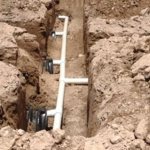
"I can’t speak highly enough about this contractor. His prices were very reasonable. They were 1/3 of the competition that I had hired so I hired him to do two jobs because it cost me so much less I had money left over and got my driveway paved, but originally I had hired him to bury a cable that had been sitting on the ground for years and was a major fire, hazard, and electrical hazard but he took care of it fast in about an hour and 20 minutes and the other work took about two hours for the driveway glitchy but hire him if you can. His prices are reasonable he’s honest and fair."
200 Amp discount
Paul’s drive way
Paul’s drive way
3 neighbors recently requested a quote
Showing 1-10 of 14
Excavating questions, answered by experts

The rules and regulations regarding groundwater use vary between states. To find out if you can dig a well on your property, you’ll have to consult these regulations, address any compliance requirements, and get the appropriate permits. It’s also important to check that your intended location has the right geology and water table to support a well.

Sewer lines can be buried anywhere from 18 inches to 8 feet deep, with a common average depth between 18 and 30 inches. The exact depth depends on local factors like climate and soil type. In colder regions, pipes must be buried deeper (below the frost line) to prevent freezing, sometimes as deep as 8 feet. The digging depth can also impact the cost of sewer line replacement. To find the specific depth for your property, you can check the building plans for your system, which should be on file with your city or local sanitation department since permits are required for installation.

Digging a bush up by the roots is the most natural DIY method for removing a bush stump. Start by identifying the shrub type and revealing its roots. Cut the shrub to its base and loosen the soil, ensuring no utility lines are nearby. Optionally, treat the base with herbicide, then dig around the roots and cut a circle around the shrub using various tools. Dig a trench, cut the base of the root ball, and finally fill the hole to prevent regrowth. This thorough process ensures complete removal without damaging surrounding areas.

In most areas, you will need a permit for excavation work, even for projects that only involve grading or yard leveling. Permit requirements depend on your local government and the scope of the project, but they are especially common for significant digging or work that could affect utilities or public property. These permits help protect the local topography and prevent drainage issues. An experienced excavation company will typically know whether permits are needed and can often handle the process of pulling and closing them for you. You can also verify permit requirements by contacting your local building department and describing your project.

Yes, you can install a trench drain if you already have concrete in your yard or garden. While it can complicate some aspects of the job and slightly run up the cost, it is doable. Residential trench drains can be easily retrofitted to outdoor areas with concrete without having to remove excessive amounts of your patio, pool area, or decorative walkways.

The Plains, TX homeowners’ guide to excavation services

From average costs to expert advice, get all the answers you need to get your job done.

What do you need done? We’ll find top pros.
  • 🌱 "Mow a small front yard"
  • 🛠 "Fix a leaking pipe under the sink"
  • 🏠 "Repair shingles on an asphalt roof"