





Top-rated drywall pros.

Best drywall pros near Pearland, TX

Enter your zip and get matched with up to 5 pros

Need a pro for your drywall service project in Pearland, TX?

Select your specific project to find the pro for you.

TRUSTED BY PEARLAND, TX HOMEOWNERS

  • Average homeowner rating star icon4.5
    Average homeowner rating
  • Verified reviews icon265
    Verified drywall services reviews

Top-Rated Drywall pros in Pearland - Updated Nov 2026

Avatar for M&G Painting
M&G Painting
4.8(
60
)
Drywall - Repair

Serving Pearland, TX and surrounding areas

Approved

In business since 2001

Free estimates

Emergency services offered

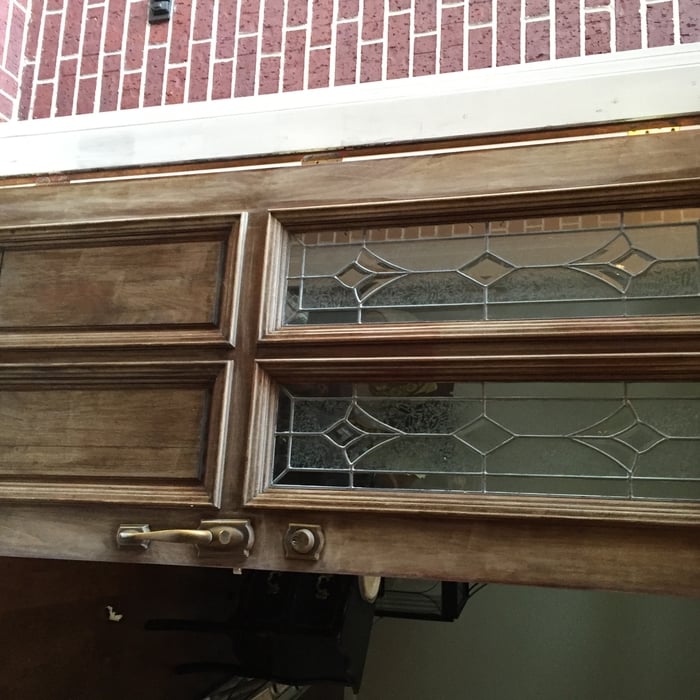
"We needed some drywall and painting services at our house. M&G painting quickly scheduled a visit, gave us a fair estimate and the work was completed within 2 business days! Perfect job. You cannot see where the new drywall was patched at all. I will definitely recommend and use them again."
Paint
paint
paint
foyer
front door

+104

Response time9 hrs
Response rate92%
3 neighbors recently requested a quote
...
Showing 1-10 of 1417
Drywall FAQs, answered by experts

Plastering and skimming are two different techniques for finishing walls. Plastering involves applying a thick layer of a plaster mixture—typically containing gypsum, lime, cement, sand, and water—to create a new surface. This process often requires multiple coats and is used for repairing significant damage or creating decorative textures. Skimming, on the other hand, is a technique that involves applying a thin layer of drywall compound or joint compound over an existing surface to smooth it out, covering minor imperfections, small cracks, or uneven textures for a polished look. Plastering is generally more costly and labor-intensive than skimming. Although some people use the terms interchangeably, they refer to different processes and materials.

You should wait at least 24 hours for drywall mud to dry before sanding or applying another coat. However, the exact drying time depends on several factors, including the thickness of the application, room temperature, humidity, and the type of compound used. Thicker layers, or projects in high humidity, may require 48 hours or more. Lightweight compounds tend to dry faster than heavier, all-purpose ones. You'll know the mud is ready when it feels completely dry and firm to the touch and has changed to a consistent light color. Sanding too early can cause smudging or gouges, so patience is essential for a smooth finish.

Yes, if there is mold in your drywall mud and you then use it to build walls in your house—or if mold develops in your set drywall, like it can in hot and humid areas—it can lead to illness. Mold in your drywall (or other parts of your home) can make existing respiratory conditions or allergies worse, and the effect can be more intense for those who have existing health issues or compromised immune systems.

Furring strips, thin strips of wood or metal, are not always required for ceiling drywall installation. If the ceiling surface is even and in good condition, drywall can be directly attached to the ceiling joists using screws. However, furring strips become essential when dealing with irregular surfaces or when additional insulation or soundproofing is needed. They create a level substrate for attaching the drywall. Ultimately, the decision to use furring strips depends on the condition of the existing ceiling and the specific requirements of the project.

If you already have plaster walls and ceilings, adding new plaster costs $2 to $10 per square foot. For an average-sized room, that would come out to $1,200 to $10,000. However, the cost to replace plaster with drywall is higher—running between $720 and $1,250 for a 10-by-8-foot wall or ceiling (not including drywall finishing).

The Pearland, TX homeowners’ guide to drywall services

From average costs to expert advice, get all the answers you need to get your job done.