





Top-rated wall repair pros.

Best wall repair pros near Orange, TX

Enter your zip and get matched with up to 5 pros

Need a pro for your wall repair project in Orange, TX?

Select your specific project to find the pro for you.

TRUSTED BY ORANGE, TX HOMEOWNERS

  • Average homeowner rating star icon4.3
    Average homeowner rating
  • Verified reviews icon134
    Verified wall repair services reviews

Top-Rated Wall repair pros in Orange - Updated Nov 2026

Avatar for C&L Remodeling
C&L Remodeling
3.9(
5
)
Drywall - InstallDrywall - RepairHandyman for Multiple Small Projects+2 more

Serving Orange, TX and surrounding areas

Approved

In business since 2005

Free estimates

Small jobs welcome

"Clara and Leroy were exceptional to work with, their crew worked hard to install my floor in a timely manner even though I made a mistake in measuring and came up short they were very understanding and will complete as soon as order arrives. I highly recommend C and L Remodeling."
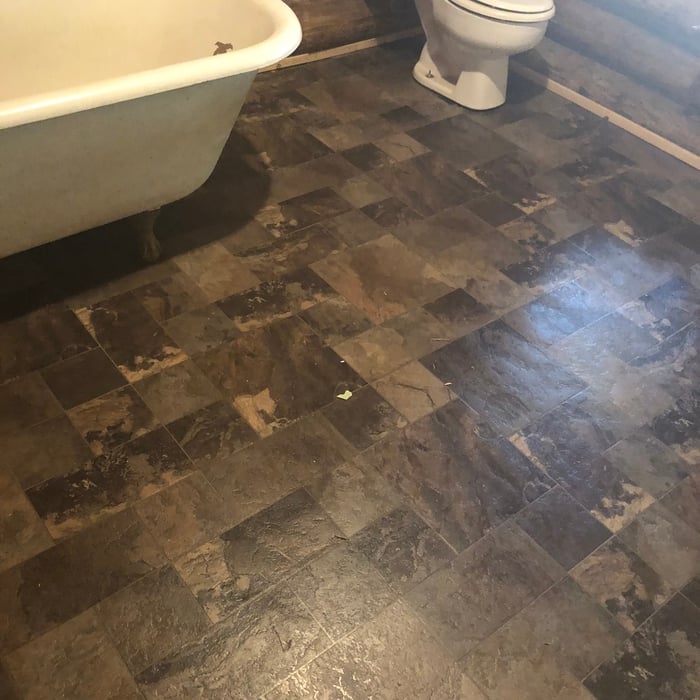
remodeled bathroom
new metal roof
CERMIC TILE
KITCHEN AND LIVING UPGRADE
LAMINATE FLOORING

+18

Response time5 hrs
Recommended by100%of homeowners

Alberto home repair
New to Angi
Handyman for Multiple Small Projects

Serving Orange, TX and surrounding areas

Approved

I been in this field of work for over 27 years,have helped build million dollars homes down to replacing door knows for neighbors. \nI now live in south east texas and willing to take on as many jobs that will come my direction. \nPainting \nTrim work\nCarpentry \nBasic plumbing \nBasic electrical \nSheetrock patches \nTextures \nCabinetry \nLiving you with a high quality outcome

...
Showing 1-10 of 376
Wall Repair FAQs, answered by experts

Railroad ties can be good for retaining walls, but it depends on the area. They have a desirable rustic look and are durable. The problem is they’re treated with creosote, a preservative the EPA says poses a risk to humans and wildlife. Over time, the preservative seeps out of the wood and into the ground. Many areas have banned the use of creosote-treated wood on residential properties. If your area does allow it, never use railroad ties near an edible garden or drinking water source. Instead, use wood that’s treated with an EPA-approved preservative or a wood-alternative composite material.

Even if you think you know how to build a retaining wall theoretically, doing the actual work is a completely different story. There are lots of nuances in building retaining walls, and the slightest oversight can compromise their integrity. Therefore, we recommend you hire a pro to build, repair, or replace retaining walls.

Sand and gravel are two suitable options for filling behind a retaining wall. If you’re building your own retaining wall, you’ll complete this part of the process—known as backfilling—after you finish laying the blocks. Make sure not to skip it—otherwise, you could wind up with drainage issues, which can cause your retaining wall to collapse.

Poured concrete is often the cheapest material for a retaining wall, costing around $6 to $8 per square foot. Other budget-friendly options include vinyl and landscaping timbers, which range from $10 to $15 per square foot; landscaping timbers are particularly well-suited for DIY projects. Untreated timber and railroad ties are a step up in price, starting at $15 to $25 per square foot. Natural stones can also be a cost-effective choice if you can source them from your own property, but they can be expensive to purchase. High-end materials like steel are typically the most expensive but offer superior durability and aesthetics.

Failure to compact the soil during construction is the most common cause of leaning retaining walls. In addition, poor drainage can lead to excessive water pressure behind a retaining wall, pushing against it until it begins to move forward away from the soil it is holding back.

The Orange, TX homeowners’ guide to wall repair services

From average costs to expert advice, get all the answers you need to get your job done.