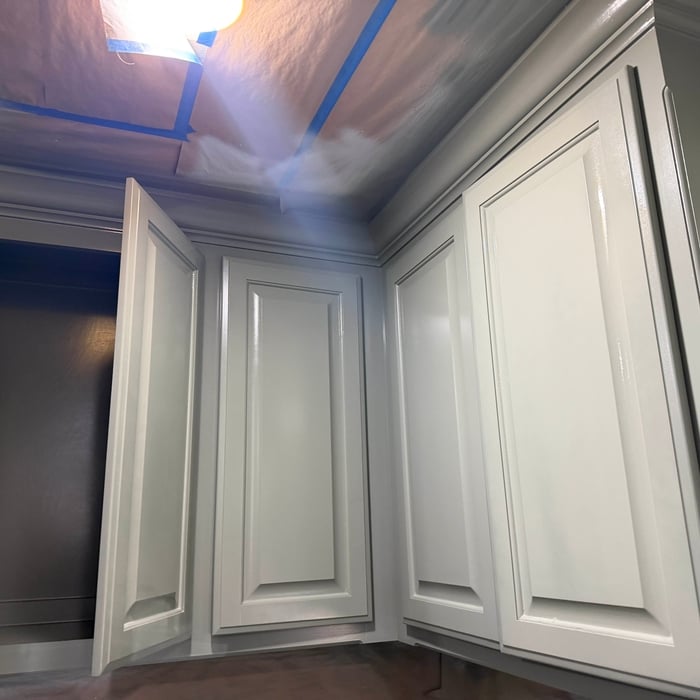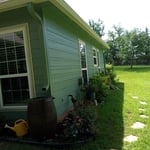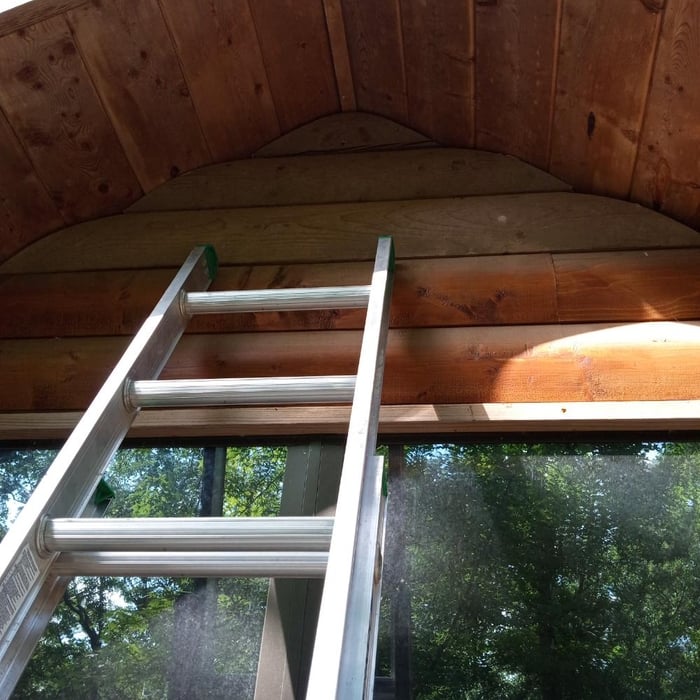


"Lupe did an excellent job painting the trim on our exterior doors. He did such a great job we are looking to hire him for other painting projects that we need done."
"Here’s a polished review you could post: We had a great experience with East Texas Patch. Juan and Trinity were both very knowledgeable, professional, and courteous throughout the entire process. They took the time to explain everything clearly and made sure the job was done right. Their attention to detail and quality of work really stood out. We truly appreciate their hard work and would highly recommend them to anyone needing their services. Or a shorter version: Juan and Trinity at East Texas Patch were excellent to work with. They are knowledgeable, courteous, and made sure the job was done right the first time. Great service and quality work — highly recommend!"
"They were very professional, I am completely satisfied with the work.
I will recommend them to all of my friends. They are polite, and extremely good at what they do."
Small Drywall/Paint company family owned.\n\nExperience 10+yrs.\nSkills: Interior / Exterior Tape/Bed/Texture/Paint\nIndustrial-Comercial-Residential\n\nWilling to travel per customers satisfaction. \n
With more than 35 yrs of experience, Wayne Sweely Construction is dedicated to providing our customers with the best quality at a great price. We are here to build relationships with our customers and communities and to provide our employees with a great place to work. We look forward to working with you!
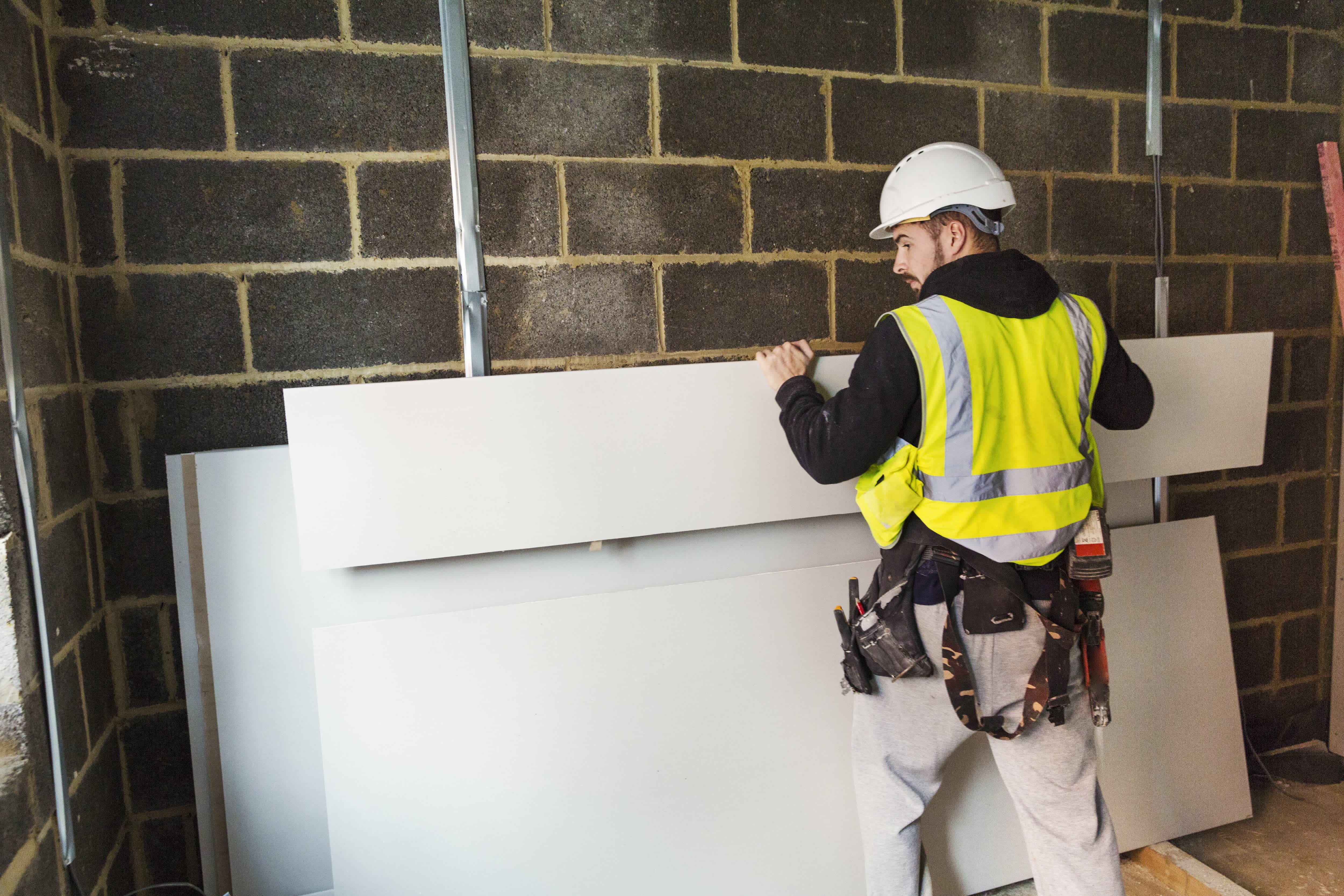
Drywall is safe to cut as long as you follow proper procedures, such as wearing personal protective equipment and using the right tools to score and cut the drywall. When cutting new drywall, it can release dust with silica and other compounds that could pose health risks. Leave cutting drywall to the pros, or wear a high-quality respiratory mask, goggles, and other PPE when handling drywall.
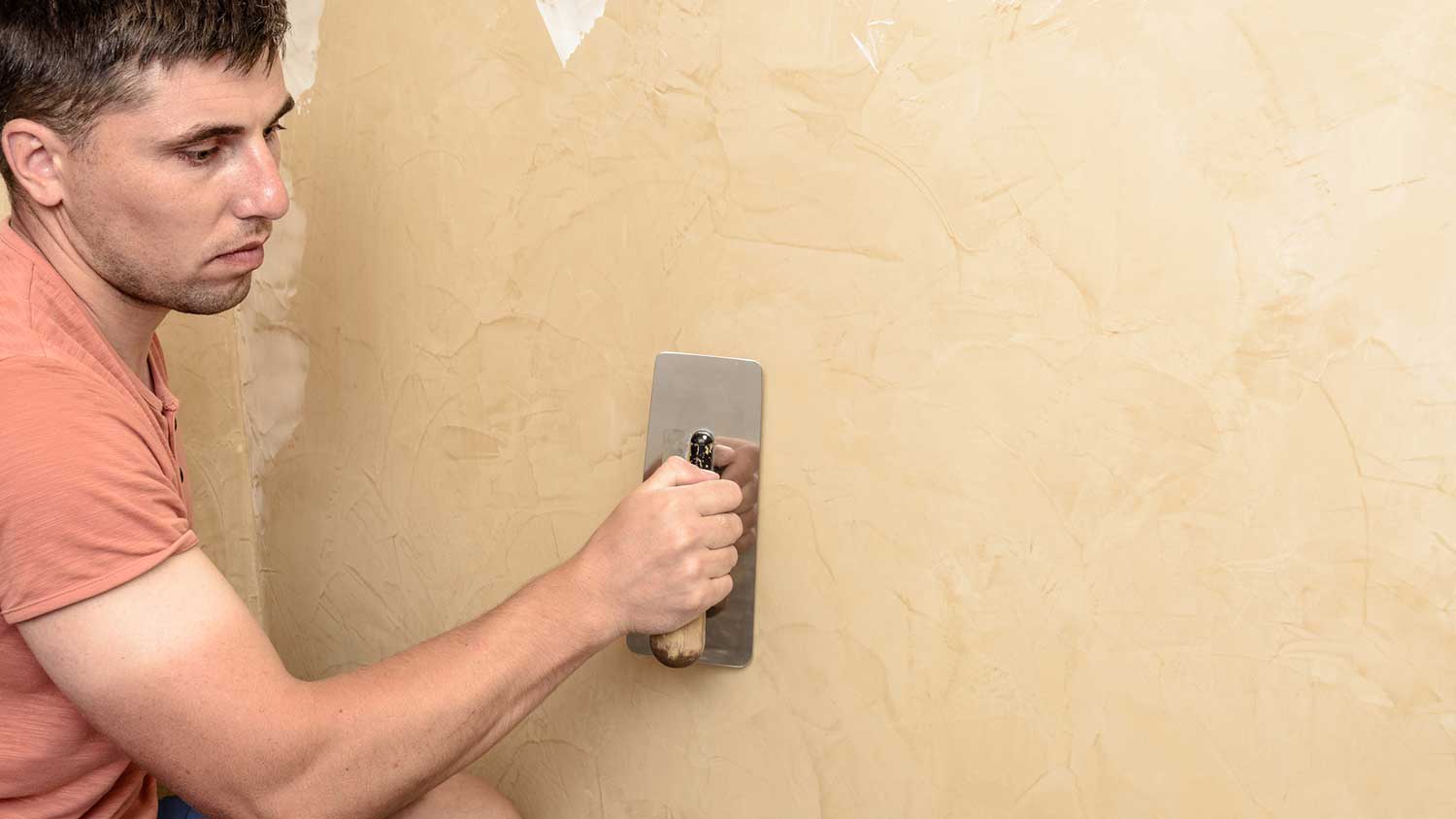
Plastering and skimming are two different techniques for finishing walls. Plastering involves applying a thick layer of a plaster mixture—typically containing gypsum, lime, cement, sand, and water—to create a new surface. This process often requires multiple coats and is used for repairing significant damage or creating decorative textures. Skimming, on the other hand, is a technique that involves applying a thin layer of drywall compound or joint compound over an existing surface to smooth it out, covering minor imperfections, small cracks, or uneven textures for a polished look. Plastering is generally more costly and labor-intensive than skimming. Although some people use the terms interchangeably, they refer to different processes and materials.
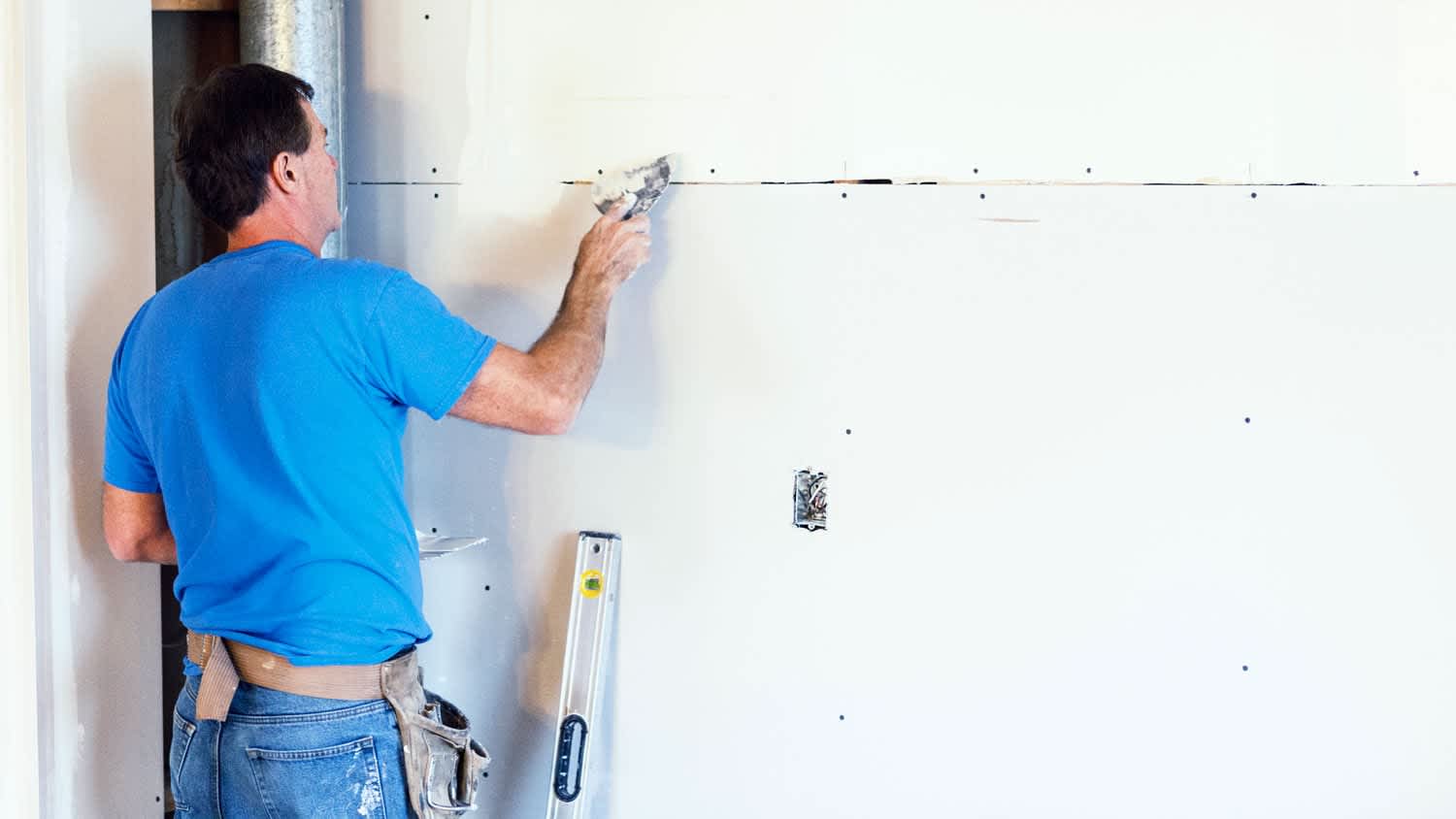
Knowing what causes drywall damage can help stop it before it starts. Here are some of the most common causes of drywall damage:
Water damage from roof leaks or leaky pipes.
Small holes caused by doorknobs, minor accidents, and rodent infestations.
Wall dents stemming from moving furniture and minor accidents.
Wall cracks that form from a settling foundation or seismic activity.
Nail pops from nails and screws in the walls.
Large holes that are caused by accidents with heavy objects, children and pets, or sporting equipment.
Metal corners, often referred to as corner beads for square corners, are used on drywall installations to provide structural reinforcement to vulnerable outside corners. Their usage safeguards against chipping, denting, or other forms of damage, enhancing the overall durability of the wall. Metal corners also offer a precise and straight edge that facilitates sharp and clean lines, crucial for achieving a polished and professional finish.
Yes, drywall nail pops are a common occurrence in homes, both new and old, resulting from the settling and shifting of the structure over time. Though not present in every room or on every wall, encountering nail pops in different sections of a home is not unusual, particularly if the temperature, humidity, or foundation has experienced changes.
The Lone Oak, TX homeowners’ guide to drywall services
From average costs to expert advice, get all the answers you need to get your job done.
Drywall texture can create an attractive finish and add dimension to your home’s walls. This guide breaks down the factors that influence the cost to texture drywall.
Installing drywall is the most common way to finish your home’s interior. Use this drywall installation cost guide to see what your project is likely to cost.
Whether you want to spruce up a few dents and dings or fix a large surface area, investing in drywall repair costs can return your walls to a smooth, flush look.
Understanding the plaster vs. drywall debate is key to giving your home’s walls the perfect finish. Learn more about the pros, cons, and costs with our advice.
The terms drywall and Sheetrock are often used interchangeably, but one is a brand and one is a specific product. Find out which one you need in this guide.
Thick gaps and extra joint compound can alter the look of drywall. So, should drywall be butt up against a wall? Review this guide for seamless installation.