






Top-rated tree service pros.

Get matched with top tree service pros in Hondo, TX

Enter your zip and get matched with up to 5 pros

Need a pro for your tree service project in Hondo, TX?

Select your specific project to find the pro for you.

TRUSTED BY HONDO, TX HOMEOWNERS

  • Average homeowner rating star icon4.6
    Average homeowner rating
  • Verified reviews icon69
    Verified tree services reviews

Find Tree service pros in Hondo

Avatar for ESC Services
ESC Services
5.0(
1
)
Tree RemovalTree Stump - Remove

Serving Hondo, TX and surrounding areas

Approved

Free estimates

Emergency services offered

Small jobs welcome

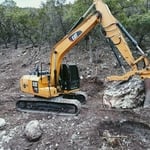
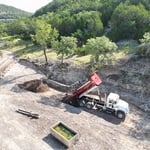
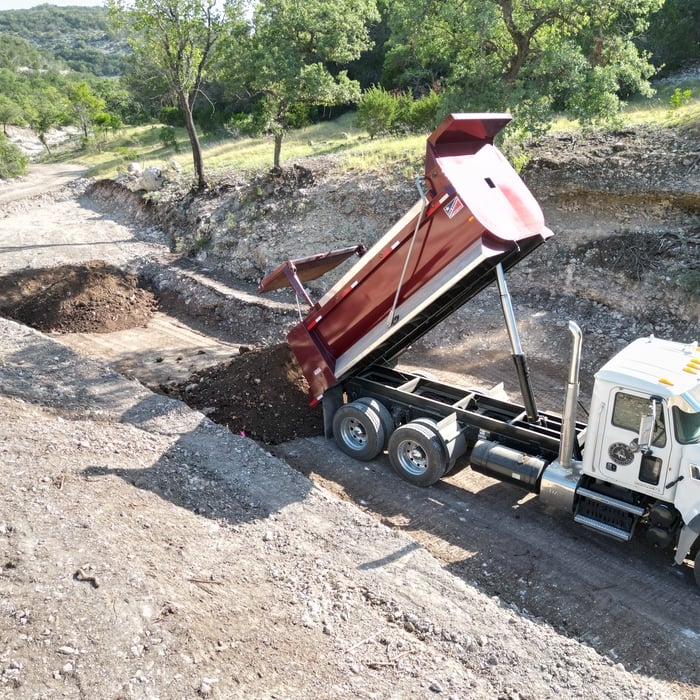
ESC Services is your lifetime property solution partner. We offer a wide range of services for your property from material removal and demolition to land clearing and site prep. We welcome all projects big or small.

7 neighbors recently requested a quote

Schiffino Holdings LLC
New to Angi
Tree RemovalTree Stump - RemoveTree Trimming

Serving Hondo, TX and surrounding areas

Approved

At GotThatFuego Junk Removal, we believe that getting rid of unwanted junk shouldn't feel like a chore. Our fast and reliable junk removal services are designed to take the hassle out of decluttering your home or business. Whether it's furniture, appliances, yard waste, or even light demolition, we've got you covered. Say goodbye to your junk and hello to a cleaner space—without breaking a sweat!

...
Showing 1-10 of 111
Tree Service questions, answered by experts

Aside from removing dead or diseased branches, you should prune your trees somewhere between every one and three years. Some people—particularly commercial farmers—prune their apple trees yearly to produce higher yields. This is the best way to promote tree health. That said, the average homeowner can get away with hard-pruning their mature apple tree every other year or every three years. 

Whether tree roots will continue to grow after a tree has been cut down depends on the species. Some tree roots will eventually die because they can no longer get nutrients through photosynthesis. However, other species that reproduce through root sprouts can continue to grow and produce new sprouts for seven years or more. For example, the roots of elms, ficus, and willows tend to regrow aggressively, while the roots of pines, oaks, and maples will typically die. To determine if a root system is still active, look for new sprouts on the old trunk, stump, or any exposed roots.

Palm trees are unique in that their roots don't grow straight down; they grow horizontally. Typically, palm tree roots go down between 12 and 36 inches deep. The roots grow far and wide from the base of the palm tree to absorb as much water and soil nutrients as possible. In addition, the horizontal roots are also very strong—keeping palm trees stable and helping them sway during storms.

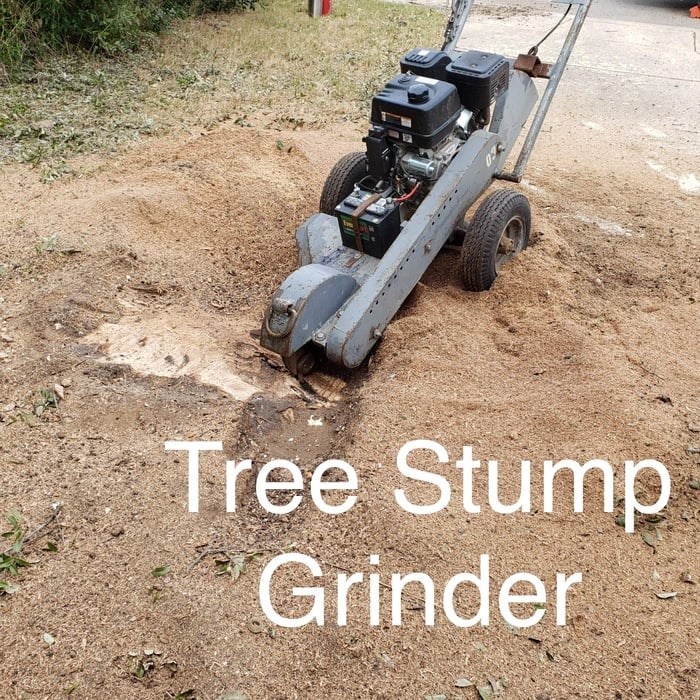
In most cases, leaving tree roots underground is not a problem if the stump has been removed or ground below the soil. However, some larger roots may decompose, leaving dents in your soil. Additionally, some aggressive trees, including willows, oaks, elms, maples, and poplars may grow back from roots. Large aggressive trees with established root systems are more likely to grow back.

Homeowners are usually not responsible for trees that fall on power lines. Power companies usually have utility easements around power lines, which give them the responsibility to maintain any trees within about 15 to 20 feet of the lines.

The Hondo, TX homeowners’ guide to tree services

From average costs to expert advice, get all the answers you need to get your job done.