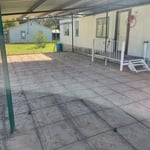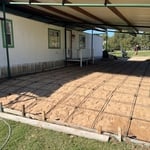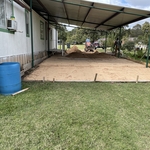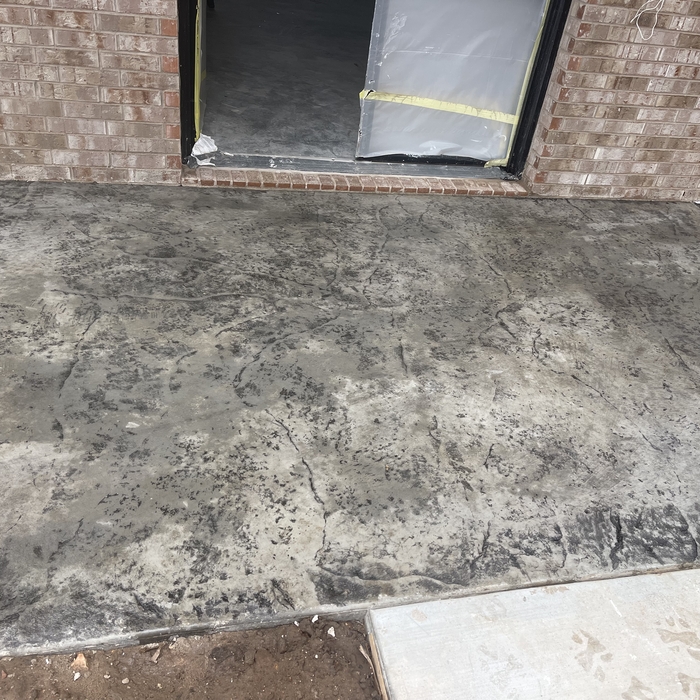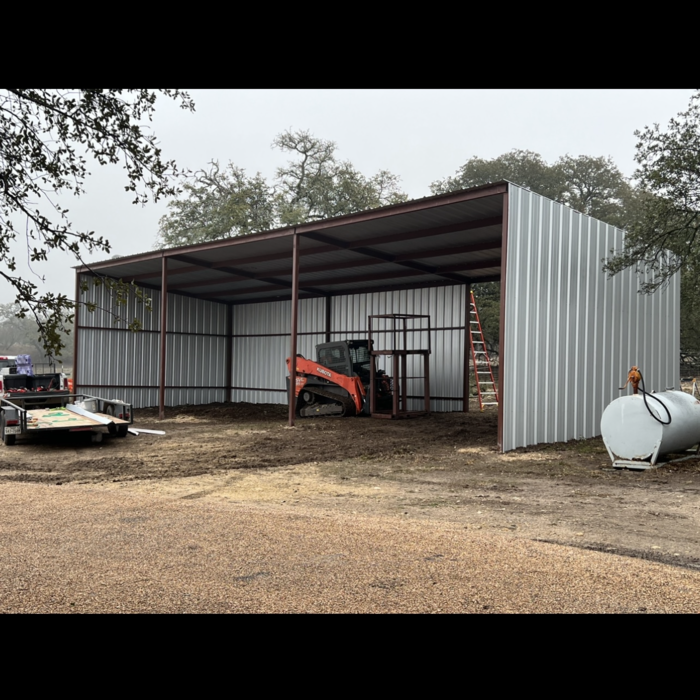


"They started when they saw d they would. Came everyday until they finished. They cleaned up everyday. Their workmanship was excellent. Used quality materials. My fence looks great. I m so happy. Always polite and courteous."

"His crew was very professional and knowledgeable about all kinds of construction work. They showed up on time and got the job done fast with great attention to detail. I will highly recommend them to anyone looking for construction or anything around the house. There is nothing these guys can't do. You must give them a shot!"
I'm a 66 year old 3rd. Gen. Mason .my knowledge in t h e masonry trade reaches from Residential to industrial refractory. High rise commercial .new builds from foundation to complete .and knowledgeable in most all trades required to build a house or commercial building .but I'm retired just want to stay active and add a little income . Small repairs preferred .
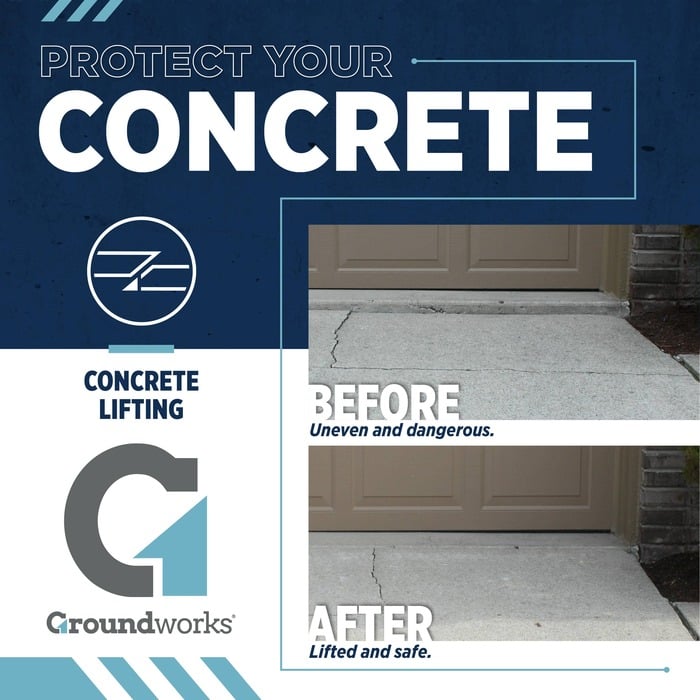
Groundworks is the North America?s leading and fastest-growing foundation repair and water management solutions provider. Groundworks is a vertically integrated company with its own manufacturing operations and a world-class software solution, allowing us to serve our customers more effectively. From the first phone call to the annual maintenance offered, our customers have peace of mind knowing we?re there with one mission ? to repair, protect and improve their home. For state licenses visit Groundworks.com/licensing\n
We pride our company on reliability, great communication,\nintegrity, and quality work. We are experts in our trade and will do our best\nto keep you as educated as we can on your particular task or project. We look\nforward to earning your business!\n
According to the Earthquake Country Alliance—a public and private alliance in California that works to improve earthquake and tsunami readiness—reports that unreinforced masonry, such as stone, bricks, and hollow clay tiles, is more susceptible to earthquake damage. The mortar between bricks isn’t as stable as other building materials and methods.
Yes, you can enlarge windows in a brick house. Your masonry contractor will need to cut away exterior brick to make space for the larger window, and you may also need to consult a structural engineer to make sure the window is properly supported inside the frame of the house.
The United States Postal Service (USPS) recommends placing a mailbox 6 inches to 8 inches back from the curb. If your lot is unusual, speak with town authorities or the local post office to determine the correct placement.
Masonry uses units like bricks, cement blocks, and stone with mortar between them. Mortar is generally made of sand and a type of cement. Examples of masonry include the brick or stone on a house, chimney, or freestanding wall. Concrete is a mixture of water, sand, stone aggregate, and other materials, and is poured into forms or moldings. Types of concrete applications include driveways, garage and basement floors, and poured concrete walls in basements and crawl spaces.
Mortar is a mixture of sand and cement that binds materials, such as bricks, stones, and concrete blocks, together. Think of it as the glue that fills in the gaps between bricks and stones, then seals them in place to prevent damage or deterioration. Mortar also helps spread the load across a wall or structure, keeping cracks and shifting at bay.
The Gorman, TX homeowners’ guide to masonry services
From average costs to expert advice, get all the answers you need to get your job done.
Door or window lintel replacement costs $400 on average, but there are ways you can save. On the other hand, complicated work will increase costs considerably.
This guide features information on the costs to repair a brick wall, whether or not you need a brick mason to complete spalling, tuckpointing, or a full restoration.
Need to repoint brick in your home to make your home look fresh and new? Use this guide to repointing brick cost to price out your project before starting.
Discover the wide variety of masonry materials for your next home upgrade project. Our guide covers the different types of materials to choose from and more.
When it comes to masonry versus concrete, it can be easy to confuse the two. Use this guide to learn about the differences in appearance, strength, and more.