

Top-rated drywall pros.

Best drywall pros near Glenn Heights, TX

Enter your zip and get matched with up to 5 pros

Need a pro for your drywall service project in Glenn Heights, TX?

Select your specific project to find the pro for you.

TRUSTED BY GLENN HEIGHTS, TX HOMEOWNERS

  • Average homeowner rating star icon4.5
    Average homeowner rating
  • Verified reviews icon153
    Verified drywall services reviews

Top-Rated Drywall pros in Glenn Heights - Updated Nov 2026

Avatar for The Patch Boys of East and South Dallas
The Patch Boys of East and South Dallas
5.0(
6
)
Drywall - RepairDrywall - Repair - For Business

Serving Glenn Heights, TX and surrounding areas

Approved

In business since 2023

Free estimates

Credit card accepted

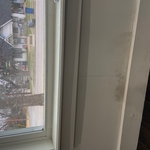
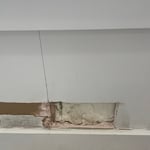
"I had a fantastic experience with The Patch Boys. My AC was leaking, and they efficiently opened the ceiling to access the air ducts for repairs and came back to patch it back up. Tom and his team were professional, thorough, and left the area clean. I highly recommend them for drywall/Sheetrock needs. Great service!"
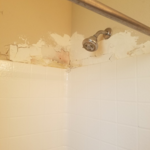
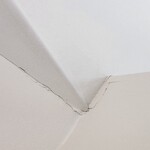
Exploration of crack
Exploration
Response time5 hrs
Response rate100%
1 neighbors recently requested a quote
Avatar for Hole in the Wall Drywall Repair Southeast Dallas
Hole in the Wall Drywall Repair Southeast Dallas
5.0(
10
)
Drywall - InstallDrywall - Repair

Serving Glenn Heights, TX and surrounding areas

Approved

Free estimates

Warranties offered

Small jobs welcome

We take great pride in our experience, expertise, quality, and customer service that we provide to meet the consumer’s needs. It is our mission to provide excellent workmanship and complete customer satisfaction from start to completion of a project. In order to understand the needs and expectations of our customers, we take great care to work and communicate with every customer. \n

Before
After
Painting
1 neighbors recently requested a quote
...
Showing 1-10 of 564
Drywall FAQs, answered by experts

While not always necessary, you can glue a drywall ceiling in addition to using screws or nails. Drywall is typically secured to ceiling joists with fasteners, which is often sufficient. However, adding construction adhesive can offer benefits like preventing sagging, bridging gaps, and reducing air leaks for better energy efficiency. It may also be used for specific acoustic or insulation needs. On the other hand, many professionals advise against it because properly placed screws make the drywall structural, glue doesn't add strength, and it makes future repairs or replacements significantly more difficult. Ultimately, it's best to follow local building codes and project-specific requirements to decide if adhesive is right for your ceiling.

It's generally recommended to hang drywall on the ceiling first before moving on to the walls. This sequence allows the ceiling sheets to provide support for the vertical wall sheets. By attaching the ceiling drywall initially, you establish a solid framework to align and attach the wall panels accurately. This method ensures a seamless and sturdy connection between the ceiling and walls, resulting in a more professional finish.

If you want to reduce sound transmission throughout your home, soundproofing drywall is a better choice than standard drywall. However, simply installing soundproofing drywall may not completely block out noise. You’ll get the best results from incorporating it into a larger soundproofing plan that includes proper insulation and framing studs.

Plastering lasts for around 15 to 20 years without needing repairs or maintenance in most cases, and with proper upkeep, plastering can last a lifetime—sometimes more than 100 years. Plaster repair costs between $1 and $3 per square foot, and you may need these services once every 15 to 20 years or so unless you have a harsh climate where humidity changes are a constant issue. You can also opt to skim-coat plaster for between $0.90 and $1.30 per square foot, which may serve you better in the long run.

Although they are used for similar tasks, spackle and joint compound are not the same. Joint compound, also known as drywall mud, consists of limestone and gypsum and is primarily used for large-scale projects like taping and finishing seams on new drywall. Spackle is composed of gypsum and binding agents, making it a thicker compound best suited for small wall repairs like filling nail holes or cracks, as it dries quickly and is easy to sand. For small repairs, either product can be suitable. However, you can use joint compound for small jobs in place of spackle, but you cannot use spackle for large-scale taping and mudding projects.

The Glenn Heights, TX homeowners’ guide to drywall services

From average costs to expert advice, get all the answers you need to get your job done.