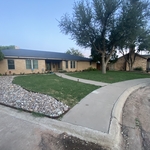
"When we called Hayden for the first time, he came out the next day and scalped our yard and trimmed down our grasses in our garden, which was no easy task! He did an excellent job! We would highly recommend!"
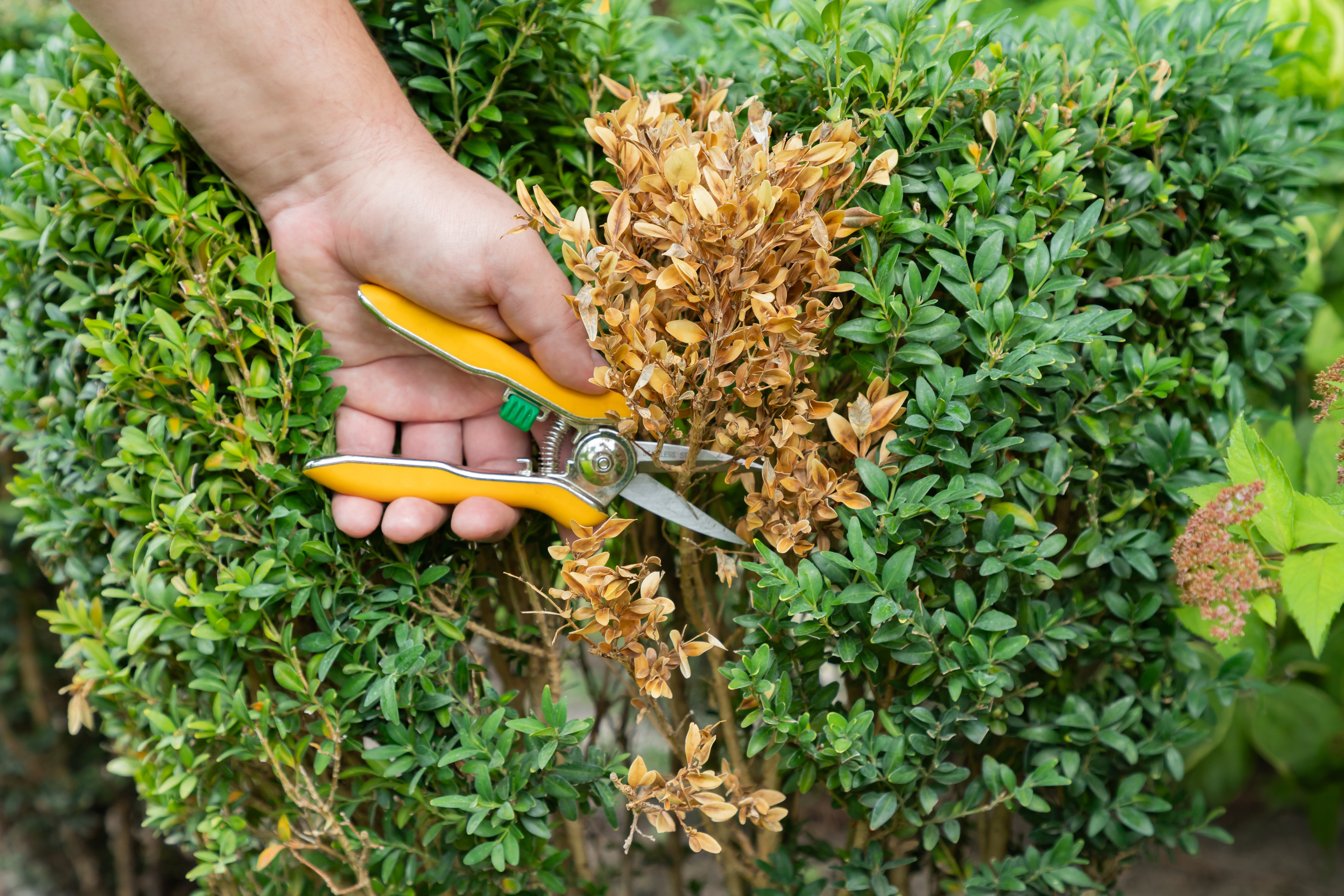
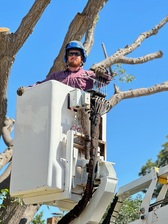
"Fantastic job by Lawn and Tree. Trimmed the fruitless mulberry dead branches that were needing removed before the winds blew them down. Jake is so friendly and knowledgeable. He cleaned the entire ears of debris before leaving. Lawn and Tree gets an A from us!"
I’m a dependable and hardworking service provider committed to providing quality work and excellent customer service. I take pride in being reliable, punctual, respectful of customers’ property, and getting the job done safely and efficiently. I’m experienced with delivery, hauling, moving materials, equipment handling, and general labor. Whether it’s a small job or a larger project, I communicate clearly, pay attention to detail, and make sure the job is completed the right way. I look forward to helping you with your next project
We’re a small business trying to get to all customers as possible and make sure they have a great experience with us, making a good job and offering great prices.
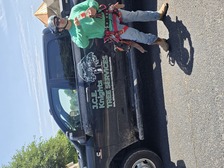
"Rob was very professional, punctual, and just really great to work with. No issues with the service, after cutting each tree he would come ask me to check and see if that was to our needs. I would 100% recommend to anyone looking for a professional and reasonable tree/lawn service. Thank you guys and God bless."
"Mr. Torres from Torres lawn and trimming called me right away and ask me if I trouble shot the system. I was not sure what to do and Mr. Torres walk me through the process and it fixed my system! I can't thank him enough for his time and professionalism."
Homeowners are usually not responsible for trees that fall on power lines. Power companies usually have utility easements around power lines, which give them the responsibility to maintain any trees within about 15 to 20 feet of the lines.
Most tree surgeons cost around $100 per hour or between $70 and $200 per hour for their services. You might get flat fees for more straightforward services, like a tree assessment, tree removal, stump grinding, and one-off treatments, but many times, treatments for tree diseases or pests will be charged based on an hourly rate or a per-visit rate. Since the cost of a tree surgeon can vary widely, it’s best to speak with an arborist near you to get an idea of what your particular issue will cost to correct.
We recommend removing the stump, and grinding is a popular way to do it. You can also dig out small stumps or stumps that have fully decayed instead of grinding them. However, don’t try using acids or fire for killing a tree stump, which is a fire hazard and illegal in many areas.
Leaving the stump alone invites eventual problems, including attracting termites, mold, and fungi.
While trees can grow in the curb strip between the sidewalk and the street, this placement often poses the problem of interfering with overhead power lines. It’s best to consult your local utility provider and tree planting service before transplanting a tree that might grow into power lines. Also, you should never work within 20 feet of a live power line to avoid the risk of electric shock. Tree branches should never touch nearby power lines, so it’s essential to ensure your tree isn’t in danger of growing too close to them.
Whether tree roots will continue to grow after a tree has been cut down depends on the species. Some tree roots will eventually die because they can no longer get nutrients through photosynthesis. However, other species that reproduce through root sprouts can continue to grow and produce new sprouts for seven years or more. For example, the roots of elms, ficus, and willows tend to regrow aggressively, while the roots of pines, oaks, and maples will typically die. To determine if a root system is still active, look for new sprouts on the old trunk, stump, or any exposed roots.
The Gardendale, TX homeowners’ guide to arboricultural services
From average costs to expert advice, get all the answers you need to get your job done.
How much does an arborist cost? This guide explains the cost of different services, ongoing expenses, and other factors to consider when hiring an arborist.
Tree inspections can ensure your trees stay healthy and safe, preventing costly damage. Learn how much tree inspections cost and what can affect the price.
Arborists are specialized tree care experts. This guide will help you hire an arborist with all the qualifications to give your trees the best care possible.