

Top-rated electricians.

Best electricians near Fort Hood, TX

Enter your zip and get matched with up to 5 pros

Need a pro for your electrical service project in Fort Hood, TX?

Select your specific project to find the pro for you.

TRUSTED BY FORT HOOD, TX HOMEOWNERS

  • Average homeowner rating star icon4.7
    Average homeowner rating
  • Verified reviews icon467
    Verified electrical services reviews

Top-Rated Electricians in Fort Hood - Updated Nov 2026

Avatar for Hamilton Lightning Rods
Hamilton Lightning Rods
4.7(
203
)
Lightning Protection - Install or Repair

Serving Fort Hood, TX and surrounding areas

Approved

In business since 1969

Free estimates

Emergency services offered

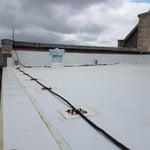
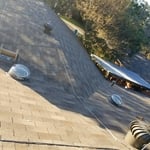
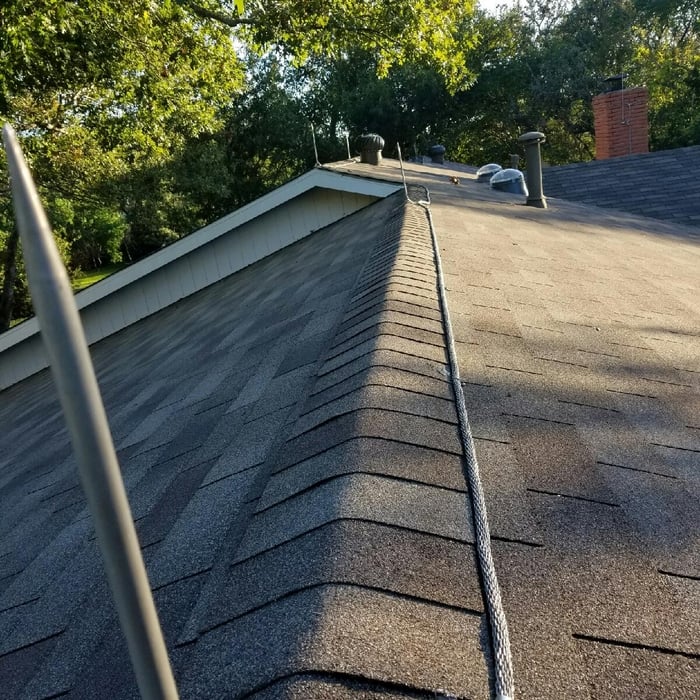
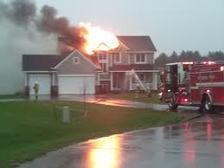
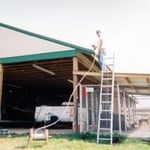
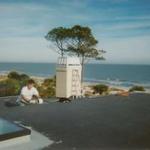
"We had lightning rods installed at our home after having 2 previous lightning strikes. The first strike was minor, with only slight damage in the yard. The second was significant when a very large pine tree was hit close to our house causing various electrical issues in the home -- despite having a whole home surge protection system. Just months after having the lightning rods installed, lightning struck an even larger pine tree in our small back yard, Thankfully, the lightning rods saved us! It was a huge strike, and we had no damage at all in the house. These lightning rods were potentially life-saving."
Lightning Protection
 Lightning Protection
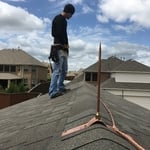
 Installing A Lightning Rod
 Lightning Protection
 Lightning Protection

+9

Response time3 days
14 neighbors recently requested a quote
Recommended by96%of homeowners

Centex Systems, LLC
4.9(
8
)
Telephone Jacks and Wiring - InstallTelephone Jacks and Wiring - Install - For BusinessTelephone System - Install or Upgrade+1 more

Serving Fort Hood, TX and surrounding areas

Approved

In business since 2018

Free estimates

Small jobs welcome

"Derek was a courteous, polite young man who took pride in his work. He stopped by to look at the window unit, diagnosed the problem and suggested it be replaced due to the unit not turning on and tripping the breaker box. A new A/C unit was ordered that day and Derek returned the next day of delivery to install. Very professional in workmanship and insisted on cleaning up the work area after installation. I am happy I contacted Derek and I would definitely recommend him to anyone! You will not be disappointed. Thank you Derek"
Response time1 day
Recommended by100%of homeowners
...
Showing 1-10 of 180
Electrical FAQs, answered by experts

Poorly designed and incorrectly installed outlets can create an electrical fire hazard, as do some phone chargers and adapters that plug into these outlets. However, most outlets are perfectly safe as long as they remain in working condition. Keep an eye on what you are plugging into the outlet and stay alert for signs of outlet malfunction, like sparks, burning smell, or frequent circuit tripping.



Some types of electric fireplaces use more electricity than others. Models that produce 1,500 watts will have more of an effect on your heating bill than 750-watt models. 

Electric fireplaces use an average of $1.85 of electricity every eight hours. These minimal operational costs aren’t likely to make a big difference in your electric bill—unless you’re using it as a primary heating source for your home and it’s running most of the time.

If your microwave is on the fritz and you suspect the fuse has blown, you can check it to confirm it’s the source of the problem. Start by disassembling the panel and carefully checking the fuse filament or ceramic components. If your microwave uses a glass fuse, you’ll likely see discoloration and a melted filament. If your microwave contains a ceramic fuse, you’ll need to use a multimeter continuity tester to check if there’s continuity.

Yes, blue wires can be hot wires in the U.S. However, they are less common in residential properties than red and black hot wires. Blue wires are typically used as traveler wires in three-way and four-way switches, as well as ceiling fans. They allow fixtures to be controlled by multiple switches, like when there are switches at the top and bottom of a staircase for the same light.

There is no blanket figure for a residential home’s electrical load, since load varies by the size of the home, how many appliances are used, and the efficiency of their electrical systems. Typically, however, it’s safe to assume 40 to 60 amps is the average electrical load of a residential home. 

The Fort Hood, TX homeowners’ guide to electrical services

From average costs to expert advice, get all the answers you need to get your job done.