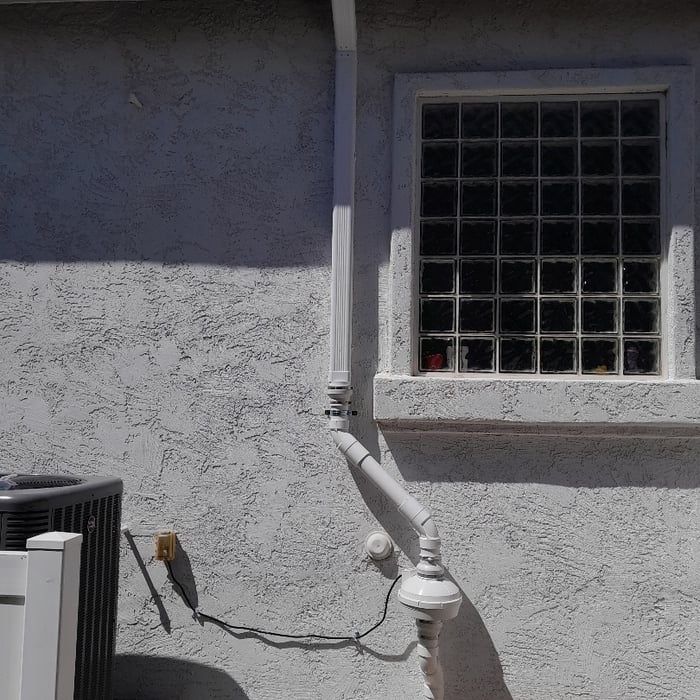










Top-rated radon detection and reduction specialists.

Get matched with top radon detection and reduction specialists in Edgewood, TX

Enter your zip and get matched with up to 5 pros

Need a pro for your radon detection and reduction project in Edgewood, TX?

Select your specific project to find the pro for you.

Find Radon detection and reduction specialists in Edgewood

Avatar for Clear Environmental
Clear Environmental
4.2(
15
)

Serving Edgewood, TX and surrounding areas

In business since 2013

Free estimates

Warranties offered

"These guys are true professionals and true to their word. They did exceptional work and exactly what I asked of them. I would truly do business with this company again!"
Abatement
Abatement
Abatement
Abatement
Abatement

+7

Response time1 day
Recommended by91%of homeowners
Radon Detection and Reduction questions, answered by experts

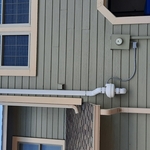
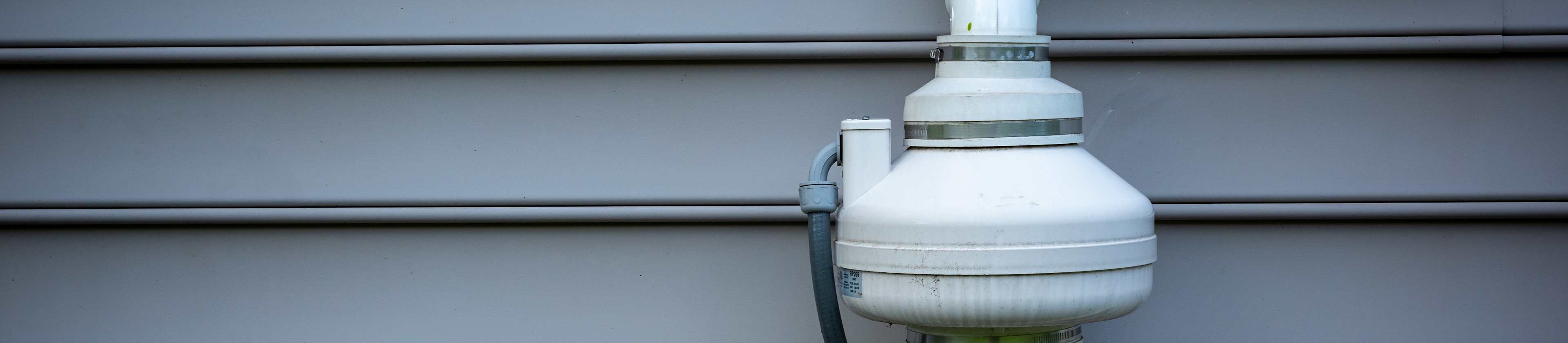
Your radon fan needs to operate 24/7 to be effective. The only time the fan isn't operating is during its replacement. Radon levels in the home can increase within hours if the fan stops working or something obstructs the stack vent. Fortunately, radon systems require no downtime maintenance between fan changes.

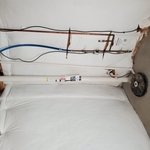
If your home has a sump pit, you can integrate it with a radon mitigation system. You can accomplish this by sealing the pump cover with an airtight lid that accommodates radon vent pipes and sump pump hoses. This allows the vent pipe to redirect the radon gas outside of your home.

You can vent radon out of your house sometimes by simply opening a window, but it won’t remove the source, and will likely rise above recommended levels quickly. A professional will be needed to assess your home, and determine the best strategy for radon removal. Active radon sump pumps and soil depressurization systems are often used to forcefully vent the radon from your home.

The natural breakdown of uranium in soil, rock, and water can cause radon to appear in a home. The gas seeps into homes through cracks in foundations, walls, or floors, as well as through gaps around pipes or construction joints. Radon levels are influenced by soil composition, building materials, and ventilation. Poorly sealed or airtight homes can trap radon, allowing it to accumulate.

No level of radon is technically safe, but since it is present everywhere, complete avoidance is impossible. The average radon level in homes across the United States is 1.3 picocuries per liter (pCi/L). The Environmental Protection Agency (EPA) recommends taking preventative measures if your home's radon levels are between 2 and 4 pCi/L or higher.

The Edgewood, TX homeowners’ guide to radon detection and reduction services

From average costs to expert advice, get all the answers you need to get your job done.

What do you need done? We’ll find top pros.
  • 🌱 "Mow a small front yard"
  • 🛠 "Fix a leaking pipe under the sink"
  • 🏠 "Repair shingles on an asphalt roof"