

Top-rated arborists.

Get matched with top arborists in Danbury, TX

Enter your zip and get matched with up to 5 pros

Need a pro for your arboricultural service project in Danbury, TX?

Select your specific project to find the pro for you.

TRUSTED BY DANBURY, TX HOMEOWNERS

  • Average homeowner rating star icon4.6
    Average homeowner rating
  • Verified reviews icon646
    Verified arboricultural services reviews

Find Arborists in Danbury

Avatar for Maplewood Tree Services
Maplewood Tree Services
5.0(
13
)
Tree RemovalTree Removal - For BusinessTree Stump - Remove+3 more

Serving Danbury, TX and surrounding areas

Approved

In business since 2015

Free estimates

Offers commercial services

"They have done a wonderful job maintaining the lawn and are east to work with. I also hired them to trim the large oak tree in our backyard that had branches hanging over the roof. They did a great job of trimming, cleaning up all the branches and gutters and hauling everything away. I highly recommend them!"
Response time3 hrs
Recommended by69%of homeowners
Avatar for Mia Tree Service
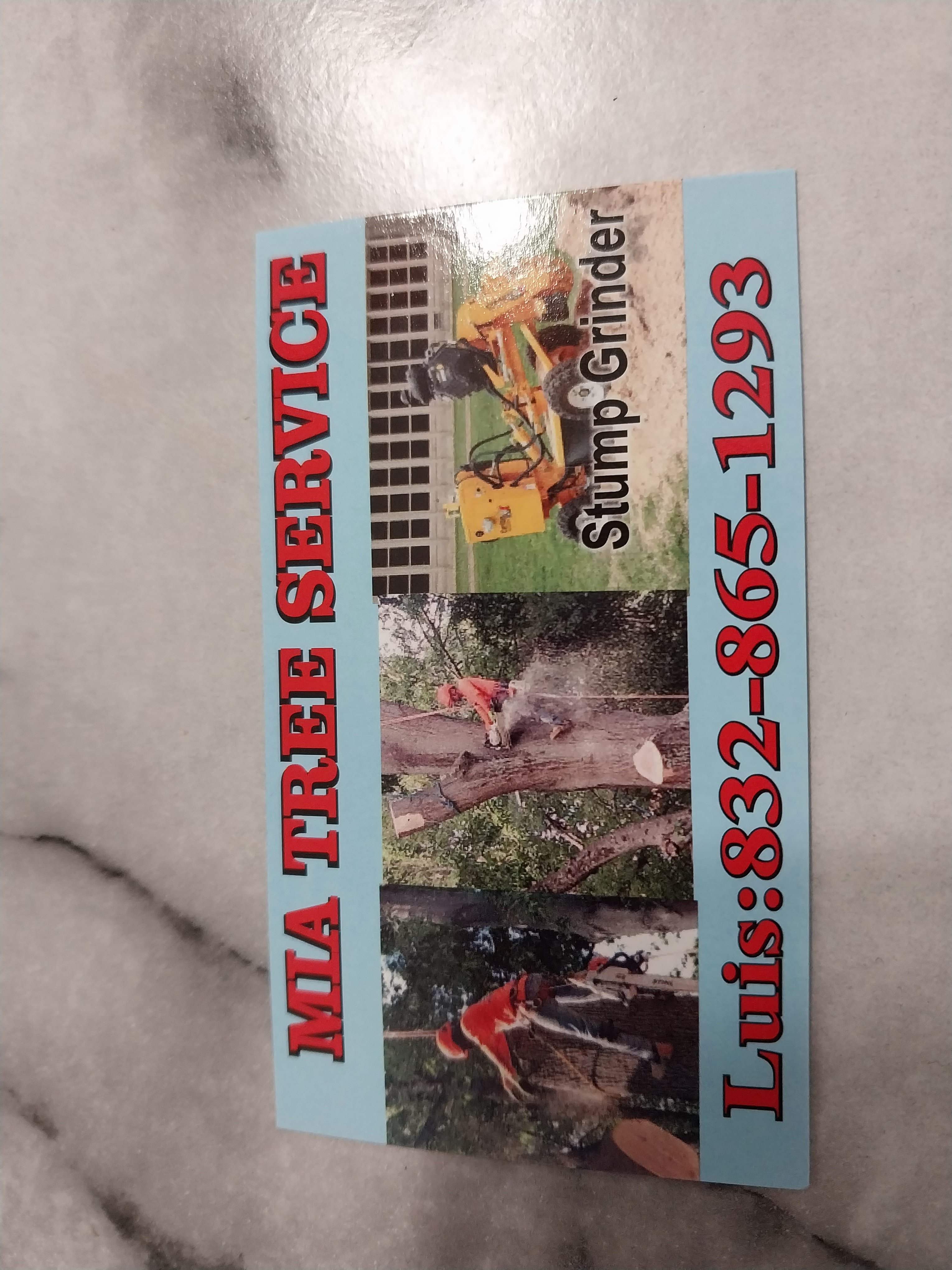
Mia Tree Service
4.8(
13
)
Tree RemovalTree Removal - For BusinessTree Stump - Remove+1 more

Serving Danbury, TX and surrounding areas

Approved

In business since 2015

Free estimates

Emergency services offered

"Very professional and yet friendly Extra careful with the surroundings plants and property Very affordable prices Brandon and Luis were very helpful answering my questions They trimmed (8) 30ft trees Outstanding job"
tree service
tree service
tree service
tree services
Response time50 mins
Response rate94%
Recommended by100%of homeowners
Avatar for REL Services
REL Services
5.0(
13
)
Tree Trimming

Serving Danbury, TX and surrounding areas

Approved

Super Service Award Winner

In business since 2022

Free estimates

Offers commercial services

"We’re currently remodeling two bathrooms under the same contract. The first bathroom is complete, and the second one just started this week. While their bid wasn’t the lowest we received, it felt fair and, in hindsight, definitely worth it. The project manager was an excellent communicator—knowledgeable, easy to talk to, and never pressured us to accept the offer. We’re extremely pleased with the quality of work on the first bathroom and are confident the second will turn out just as well. A tip for future clients: make sure you have all the necessary materials on hand. We did, and the team completed the bathroom ahead of schedule. The space is narrow, so the photo angles don’t do it justice, but I hope they still give a sense of the high-quality work delivered."
A
B
C
D
Response time4 days
1 neighbors recently requested a quote
...
Showing 1-10 of 186
Arborists questions, answered by experts

In most cases, you should not use a pruning seal on trees after trimming. Applying a sealant can interfere with the tree's natural healing process, and it does not guarantee protection from pathogens. Instead of sealing the cut, the best practice is to support the tree's natural recovery by providing it with plenty of water and a dormant-style fertilizer. However, there are exceptions. Pruning seals may be recommended for very vulnerable species, like elm trees, in areas where dangerous diseases such as Dutch elm disease are prevalent. In these specific situations, the protection offered by a sealant can outweigh its downsides. For advice tailored to your situation, especially after cutting large branches, it is best to consult a local tree trimming professional.

It is possible to cut down a tree on your property yourself, but it is generally not recommended unless specific conditions are met. You should only consider this project if the tree is small (e.g., under 4-5 inches in diameter and short enough that you don't need a ladder to reach the branches), and you are experienced in handling a chainsaw. The tree must also be located far from any power lines, fences, homes, or other structures. Even for small trees, the work can be dangerous, and it's always advisable to have a spotter to ensure the tree falls correctly and no branches fall on you.

For any tree that is large, requires a ladder to access, or is near electrical lines or structures, you should always hire a professional. Attempting to remove a large tree yourself is extremely dangerous, poses a risk of serious injury, and could result in significant damage to your property.

Before any tree removal, it's also important to check your local and state regulations to ensure the tree is not historic or otherwise protected by your city.

The fastest ways to remove a tree stump are by grinding it or burning it.

Stump grinding is often the quickest method, with professionals able to chip away a stump and its roots within a single session. You have the option to hire a professional stump removal service or rent a stump grinder to do it yourself. However, it's important to note that these machines can be large, difficult to transport, and dangerous to operate without prior experience. For safety reasons, hiring a local arborist or landscape specialist is often recommended.

Burning is another fast option. Before you begin, check your local burn laws. The process involves drilling holes into the stump, filling them with vegetable oil, and waiting 24 to 48 hours. Afterward, you can add charcoal bricks to the surface and light the fire, which must be attended at all times.

For a more affordable but much slower alternative, you can use potassium nitrate pellets to accelerate the natural decomposition process. This method typically takes four to six months.

There are two types of arborists: certified and consulting. A certified arborist is licensed and equipped to provide tree pruning, planting, fertilizing, monitoring, transplanting, treatment, and removal services. A consulting arborist specializes in tree appraisals, diagnosing problems and recommending treatments for illnesses. However, they will not provide these services themselves. Most consulting arborists are certified arborists who can refer you to a tree service that can administer the correct treatments.

The safest way to cut down a tree is to make sure you’re completely prepared and have done all the necessary safety checks, including double-checking your equipment is in good working order, you have plenty of clearance to fell the tree, you’re wearing all the safety gear, and you have a partner to help you (who should also be wearing safety gear). 

The Danbury, TX homeowners’ guide to arboricultural services

From average costs to expert advice, get all the answers you need to get your job done.